
The Day Africa Became Home…
There are moments in life that divide everything into before and after. For me, that moment came in 1993.
I had travelled to many places before, but nothing prepared me for my first step onto African soil. My journey began in Botswana. In those days, there were few paved roads. Beyond the airport, the Kalahari stretched endlessly towards the horizon. Wild, untamed and ancient.
As I stepped from the aircraft, the desert greeted me with a force I had never experienced before. The heat rose through the soles of my boots. The air shimmered above the sand. There was a distinctive scent carried on that hot wind, a fragrance of sun-baked earth, dry grass and dust that seemed to have waited centuries to be disturbed.
I stood there for a moment, taking it all in.
And then something happened that I still struggle to explain. For the first time in my life, I felt completely and utterly at home. Not because it was familiar. Not because I had been there before. But because somewhere deep inside, I knew I belonged.
Over the following seventeen days, I found myself asking only one question: How do I come back?
That question would shape the next three decades of my life.
I returned again. And again. And again. What began as a journey became a calling. Africa has since become one of my greatest teachers. It has taught me patience while watching lions sleep beneath an acacia tree, knowing that the wild operates according to its own rhythms and not ours. It has taught me humility standing beside elephants whose lives, relationships and family histories reach far beyond the fleeting moments in which we encounter them. It has taught me to observe more carefully. To listen more closely. To understand that silence often says more than words. And perhaps most importantly, it has taught me perspective.
There is something about being in a truly wild place that reminds us how small we are, while somehow making life feel infinitely larger.
Africa has inspired my paintings. It has shaped my friendships. It has influenced many of the most important decisions I have made.
Long before I put brush to canvas, there is usually a moment in the field… an encounter, a particular quality of light, the movement of an animal, an expression, a landscape, or sometimes simply a feeling I cannot quite forget. Those moments stay with me. Some eventually become paintings. Others become memories that quietly follow me for years. But all of them have contributed to the way I see the natural world and to my belief that an artist cannot truly understand wildlife without attempting to understand the world in which that animal lives.
To paint an elephant, for example, is not simply to understand the shape of an elephant. You need to watch how elephants move through the landscape. How they communicate. How mothers protect their calves. How families greet one another. How an old bull carries himself differently from a younger animal. How dust settles into the folds of their skin. How their enormous bodies can move with almost impossible silence.
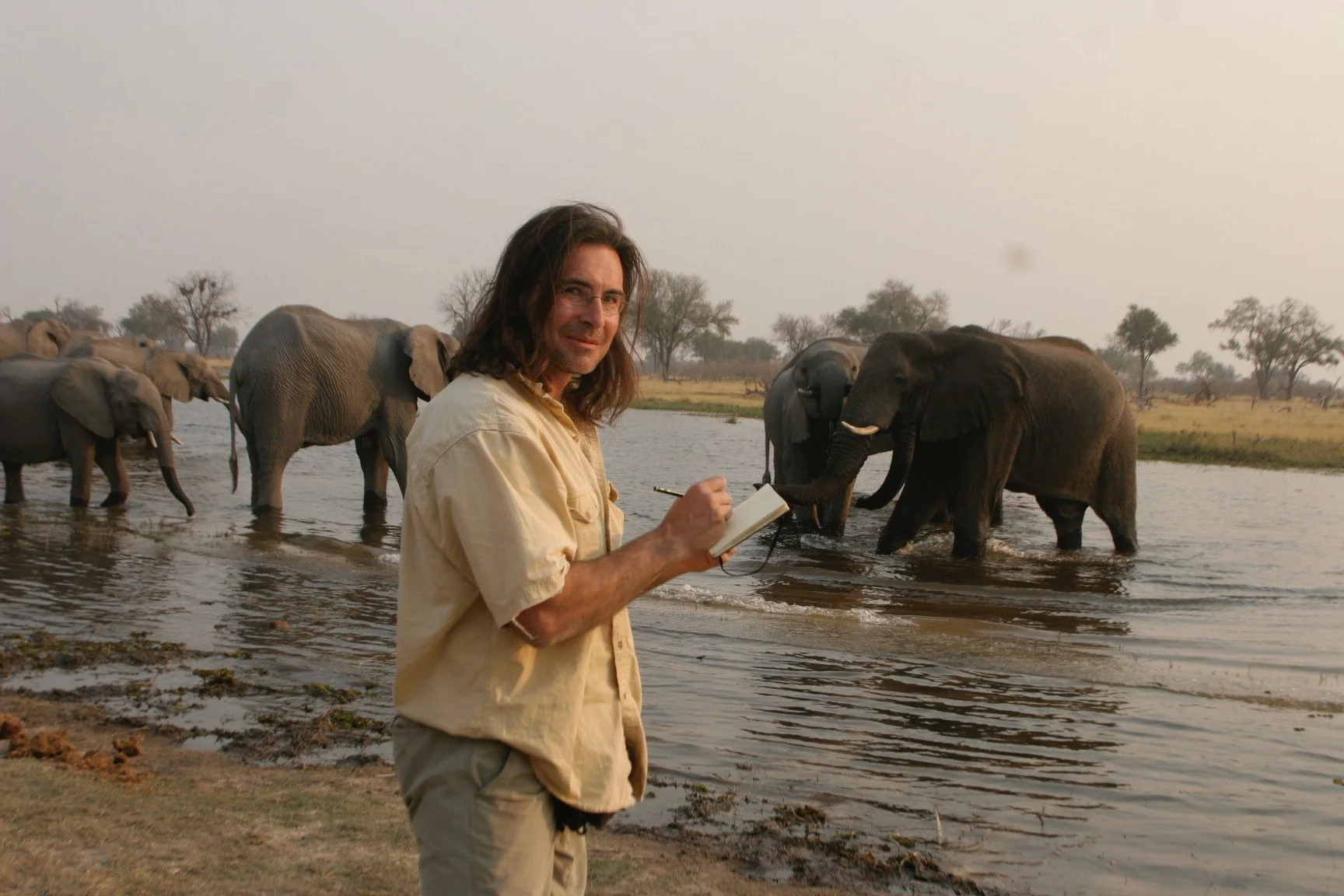

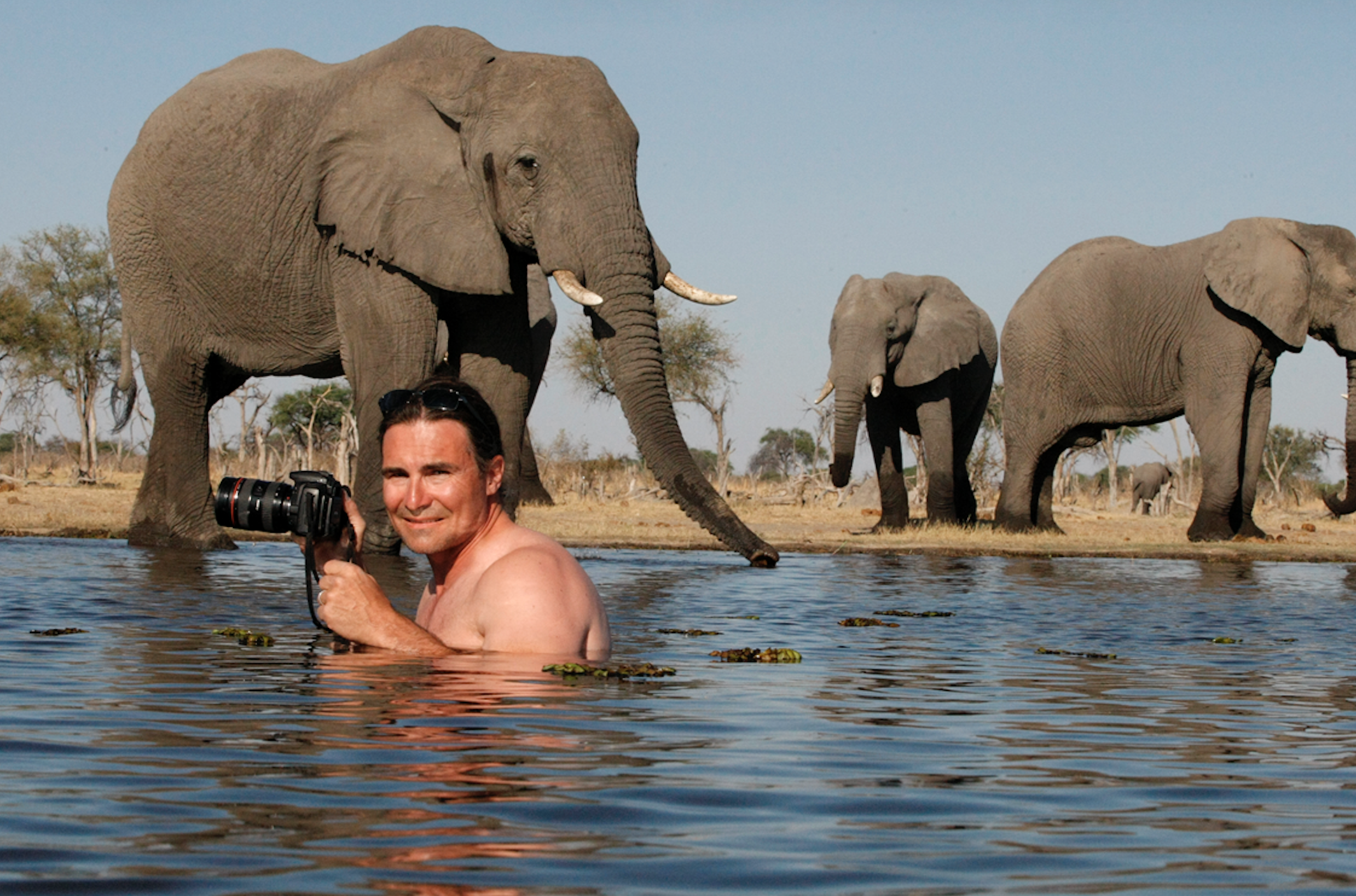
Africa gave me the opportunity to spend thousands of hours watching, learning and trying to understand. And, over time, that understanding created something else within me: responsibility. Because the more time you spend in wild places, the harder it becomes to ignore what is at stake. You begin to understand that these landscapes are not guaranteed. Neither are the animals that live within them. Conservation stops being an abstract idea and becomes deeply personal.
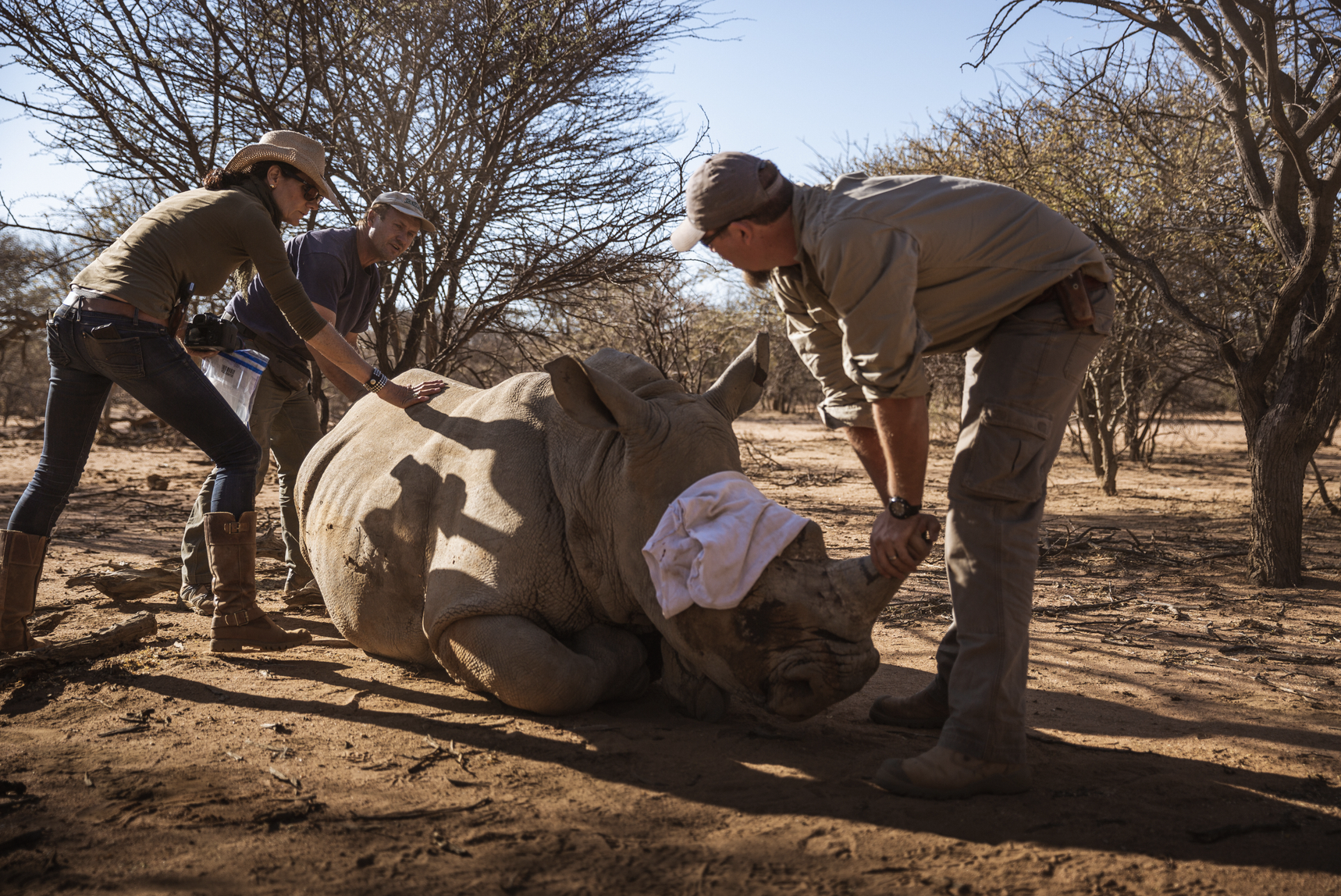
You begin to recognise that every elephant, lion, rhino, gorilla or leopard exists within a much larger and increasingly fragile system involving habitat, communities, governments, scientists, conservationists and the economic realities of keeping wild land wild. And once you understand that, it becomes very difficult simply to stand on the sidelines.
That belief has shaped much of my conservation work over the years and remains central to the Banovich Wildscapes Foundation. It also became one of the reasons I wanted to share Africa with other people.
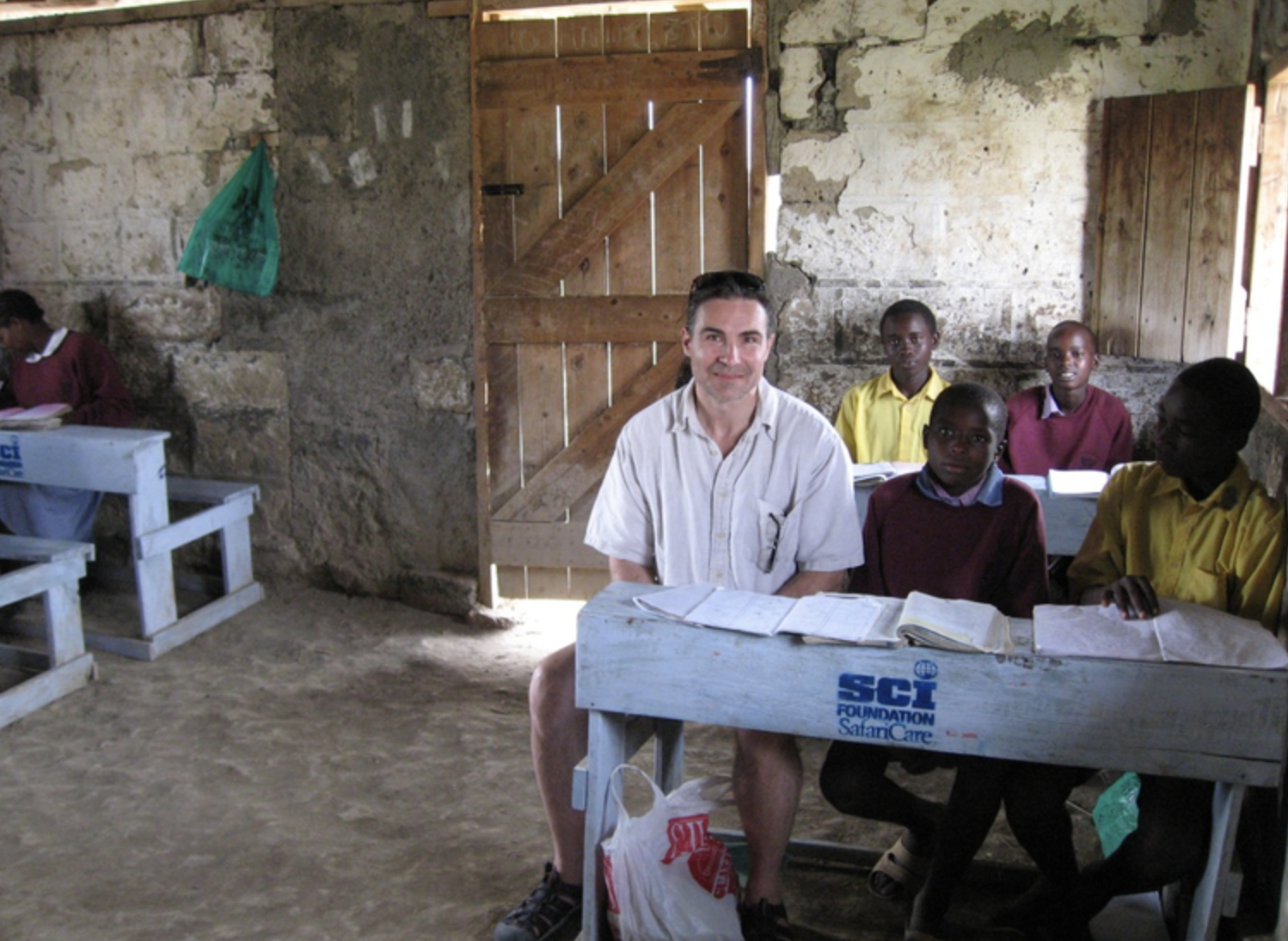
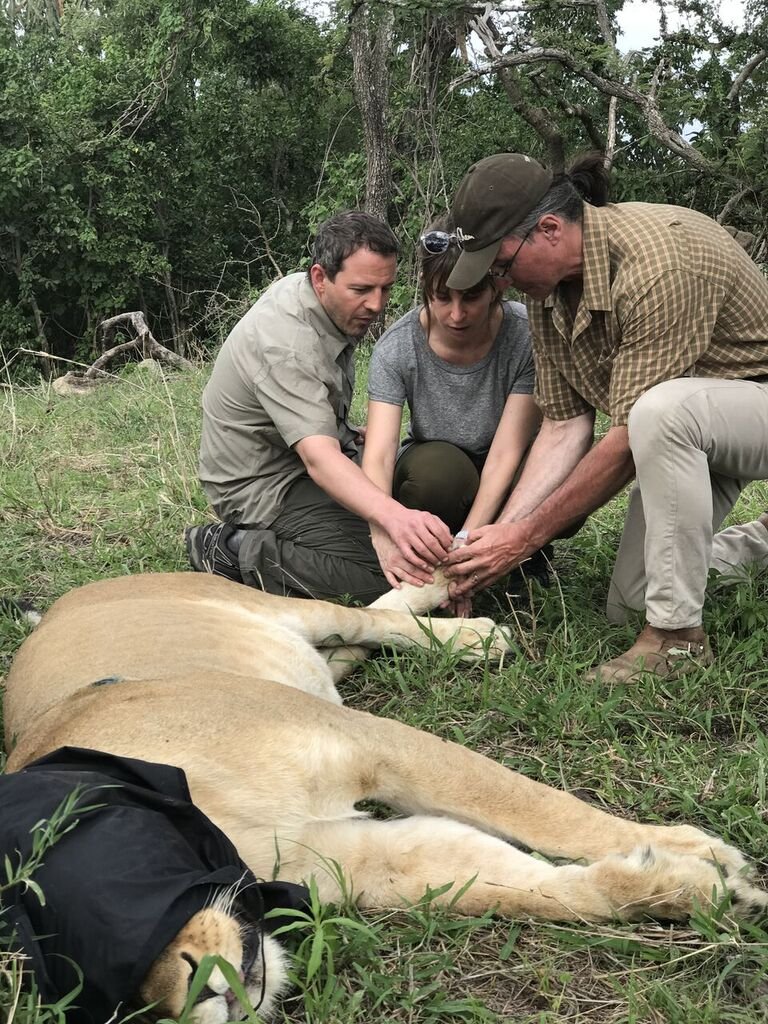
Eventually, that desire gave rise to Wildscapes Travel. I wanted others to experience what I had experienced; that indescribable feeling of connection that only Africa seems capable of creating. Not simply to see wildlife. Not merely to tick destinations off a list. But to feel something.
To slow down. To reconnect with nature. To sit quietly in the presence of elephants and realise that nothing else needs to happen. To hear lions calling in the darkness and understand, perhaps for the first time, what it means to be somewhere genuinely wild. To watch the first light move across an African landscape. To meet the people whose lives and futures are intrinsically connected to these places. To understand why these landscapes matter, why conservation matters, and why so many people leave Africa profoundly changed.
Because I have come to believe something very simple…
When people truly experience wild places, they begin to care about them. And when people care, they are far more likely to protect them.
Travel, when done thoughtfully, can play an extraordinary role in that process. A safari can provide employment for guides, trackers, lodge teams and surrounding communities. It can help create economic value around intact ecosystems. It can support conservation programmes, research and wildlife protection. But beyond all of that, it can create advocates. People return home carrying Africa with them. They talk about what they saw. They support projects. They tell their children. They return. They bring friends. They begin to understand that protecting the natural world is not someone else's responsibility. That simple truth sits at the heart of everything we do at Wildscapes Travel.
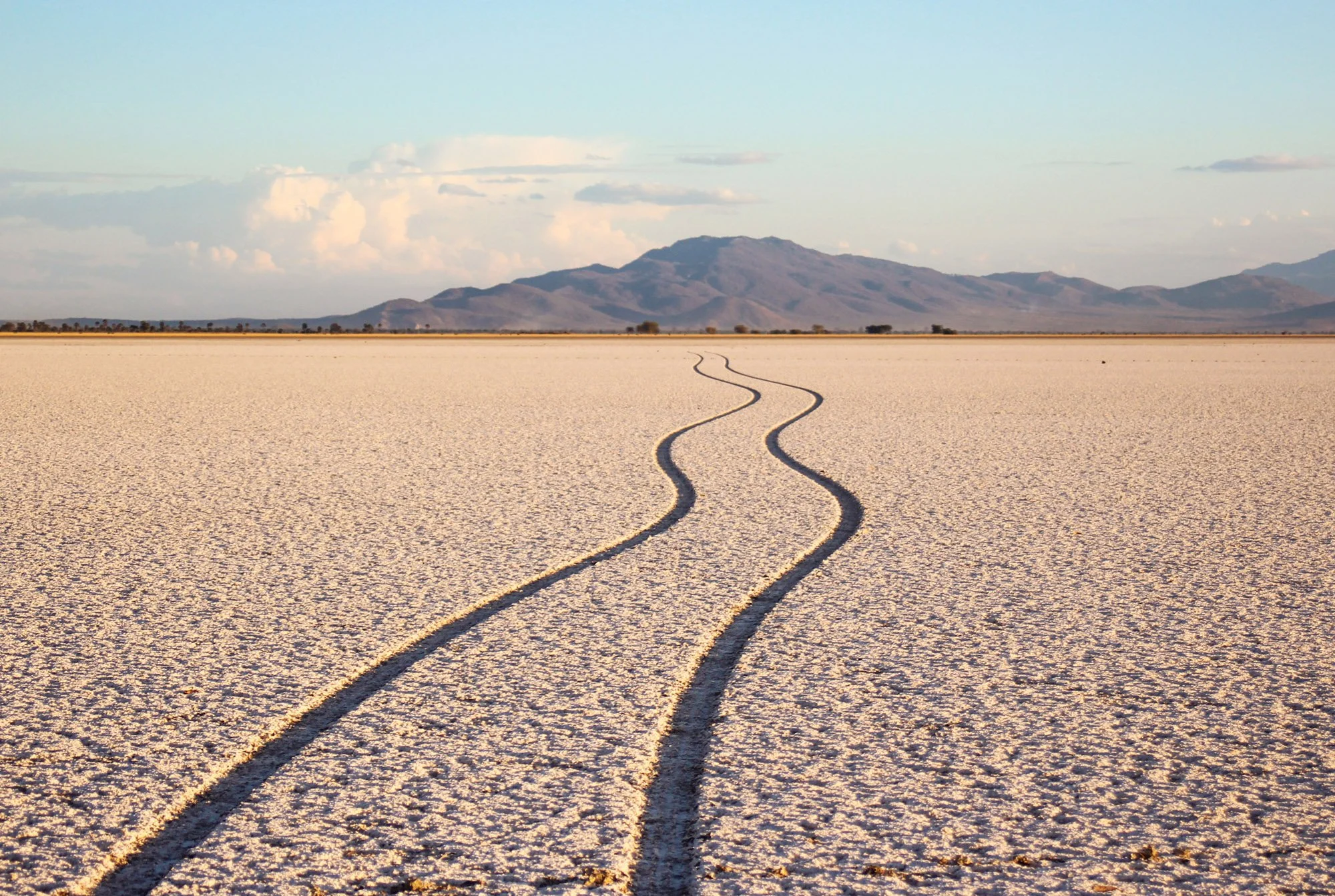
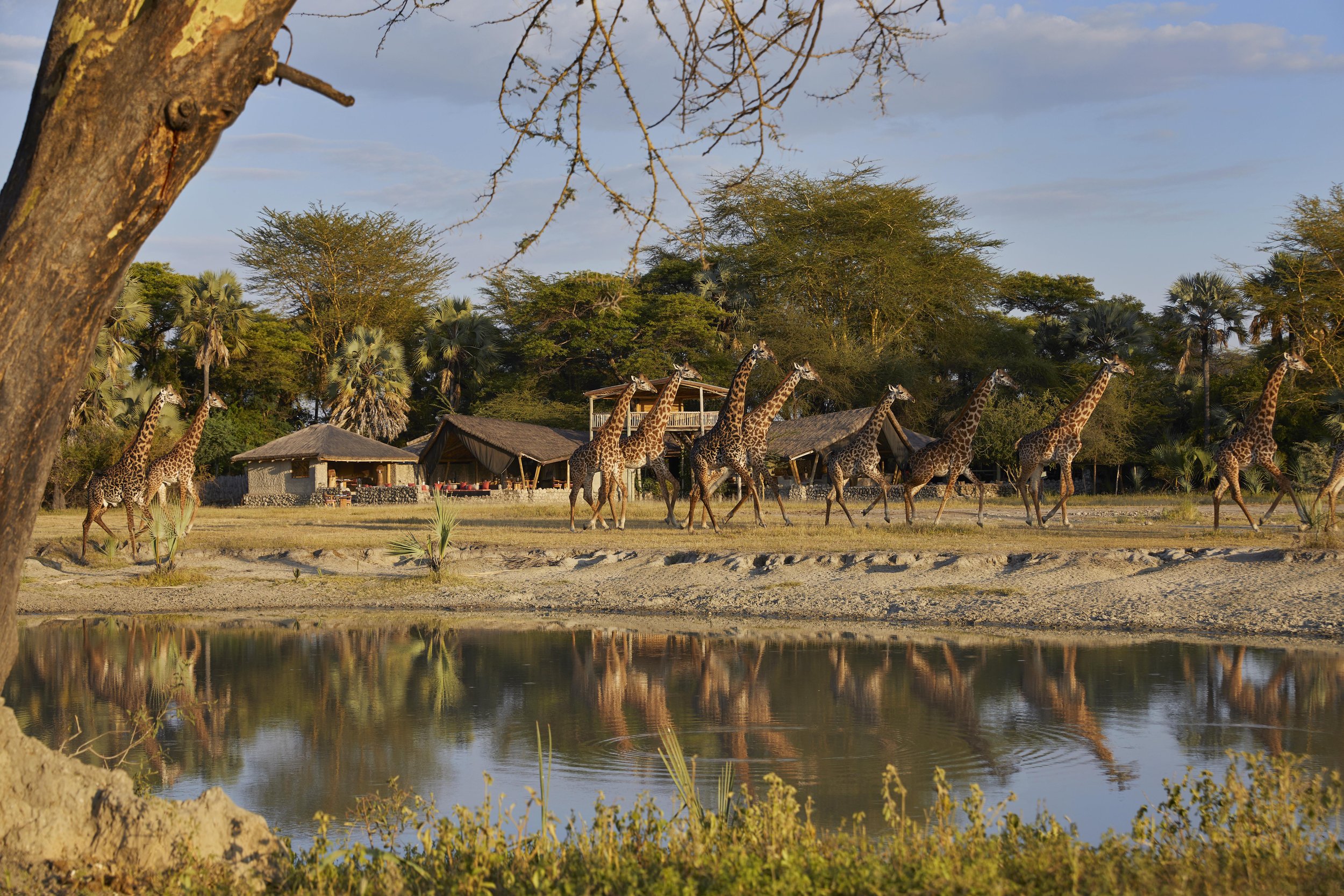
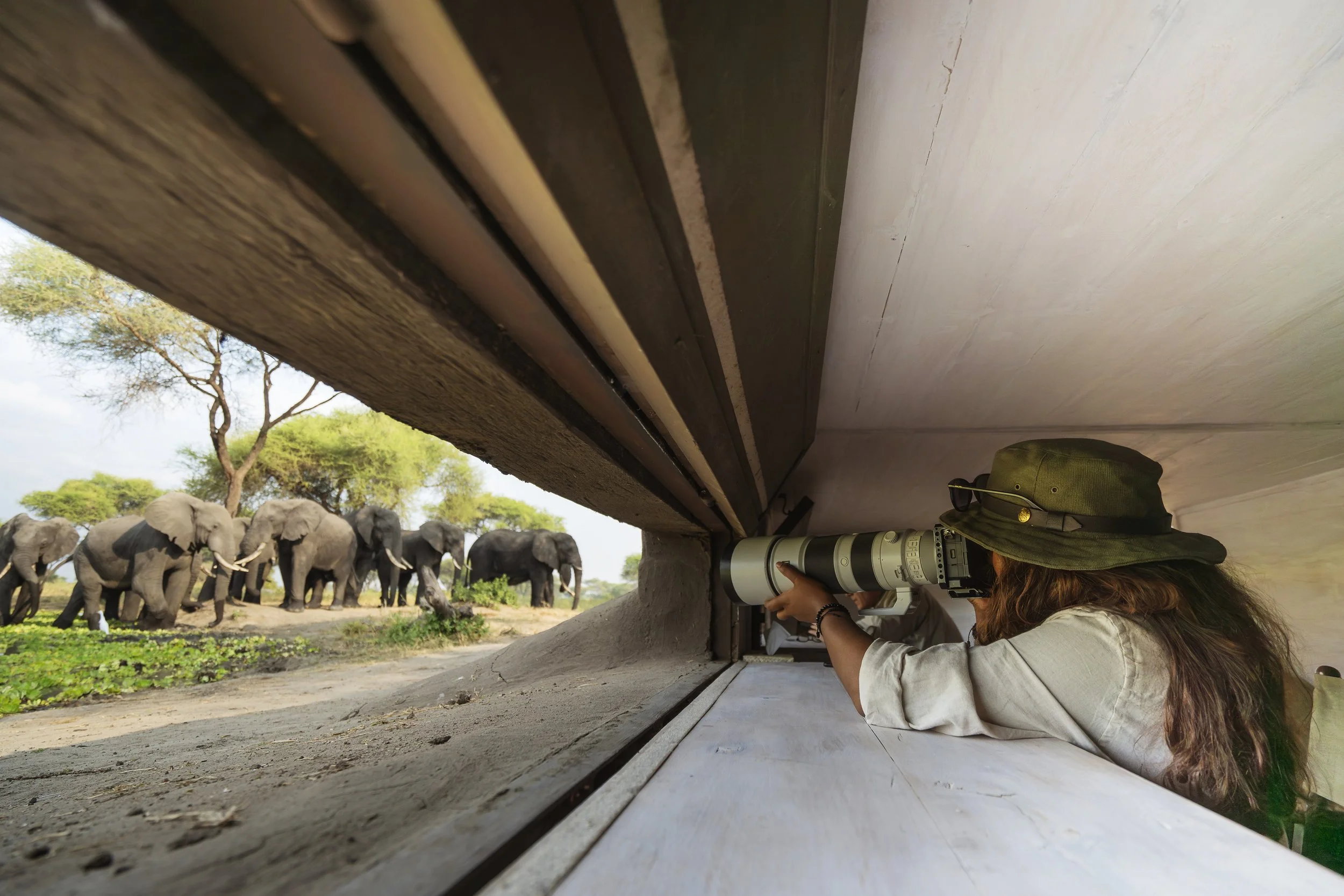
Today, Africa is far more than a destination to me. It is home. It is the source of much of my art. It is where some of my deepest friendships have been formed. It is the foundation upon which Wildscapes Travel was built and the reason conservation remains inseparable from everything I do.
More than three decades after that first journey to Botswana, I still experience moments that stop me in my tracks… A herd of elephants appearing silently from the bush. The amber eyes of a lion at dusk. A leopard disappearing into long grass. The sound of rain approaching across an open plain. The expression on someone's face when they see an elephant in the wild for the very first time.
Africa has never stopped surprising me. And perhaps that is why I have never stopped returning.
The greatest privilege now is being able to share these places with others, guiding guests towards the landscapes, people and wildlife that transformed my own life, in the hope that somewhere along the way they discover something they did not know they were looking for.
Because the most memorable journeys are rarely only about where we go. They are about what happens to us while we are there.
Perhaps you'll come searching for Africa. And instead, you'll discover a part of yourself.

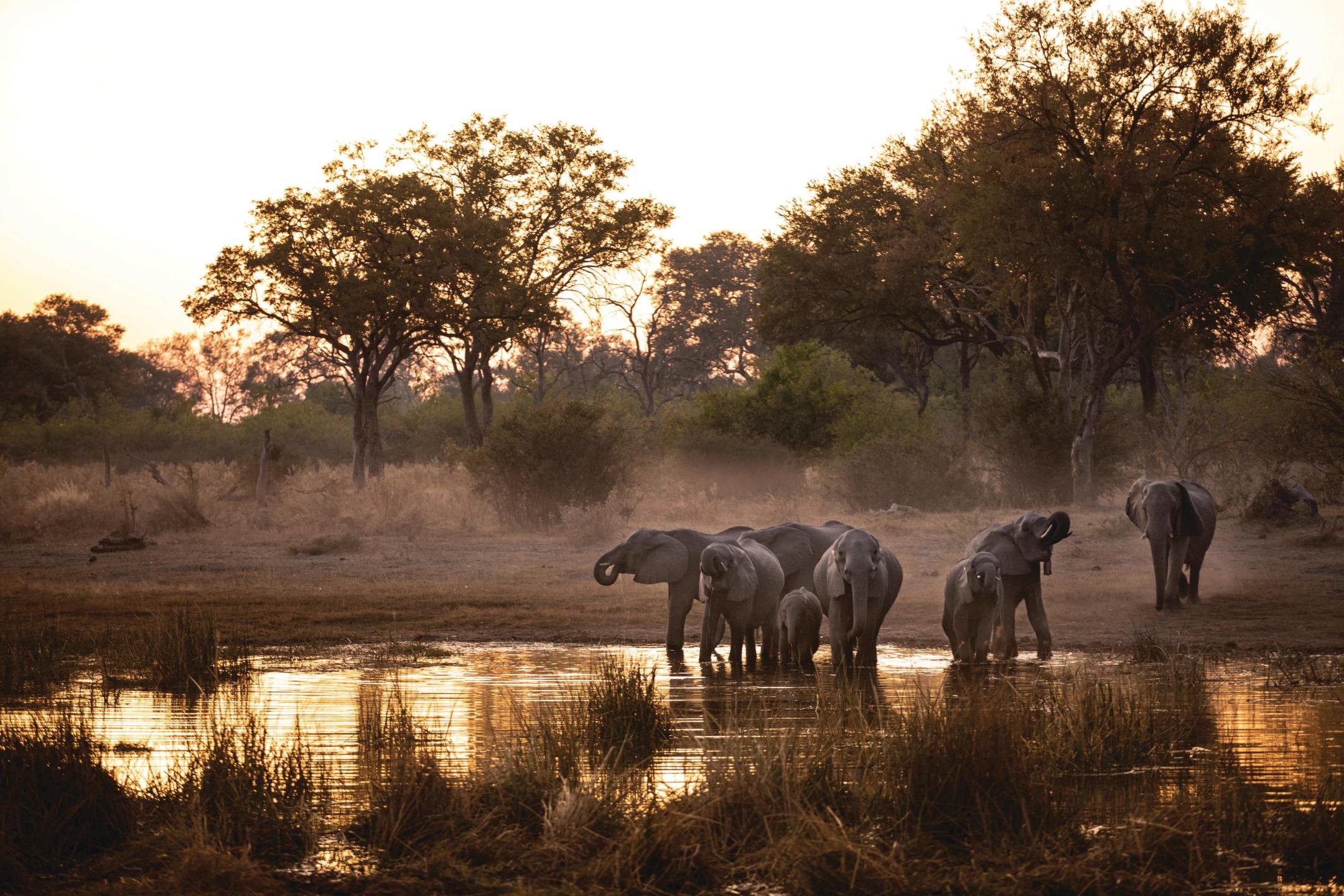
Okavango’s Golden Hour, oil on Belgian linen, 15h x 48w x 1.50d in | 38.10h x 121.92w x 3.81d cm
