
The Art of Conservation
When Travel Becomes a Legacy…
There is a moment you do not expect. It does not arrive with the sight of an animal, or the sweep of a landscape, or even the sheer scale of it all. It comes more quietly than that. It is the realization that what you are witnessing exists because someone chose to protect it - that this place, as wild and free as it feels, is also fragile, and that its future is not guaranteed.
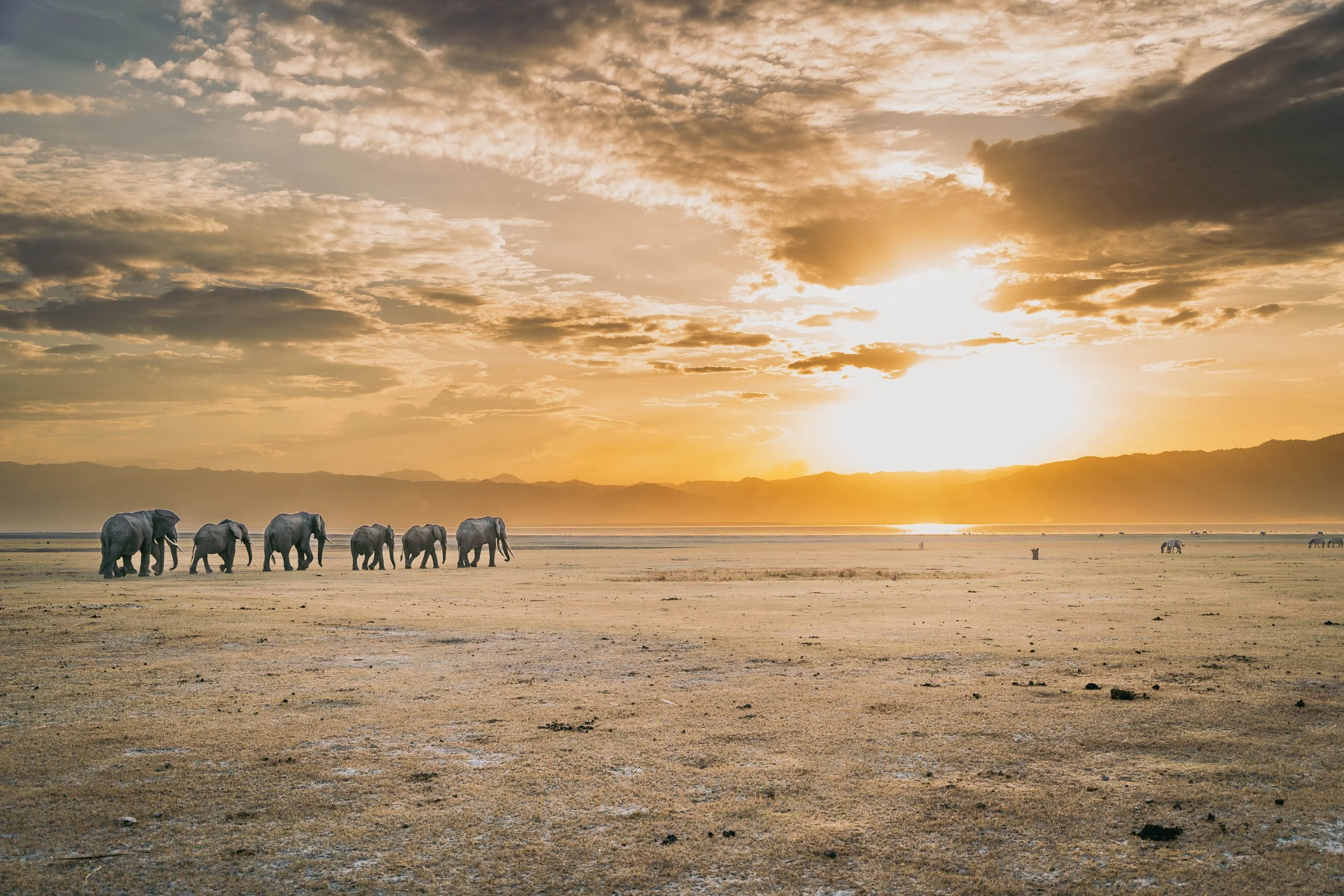
You feel it in subtle ways. In the presence of a rhino that should not be here, and yet is. In the story of a landscape that has been restored rather than simply left untouched. In the growing understanding that what you are seeing is not accidental, but the result of intention, effort, and unwavering care.
It is in this moment that something begins to shift. Conservation is no longer an abstract idea. It becomes real.

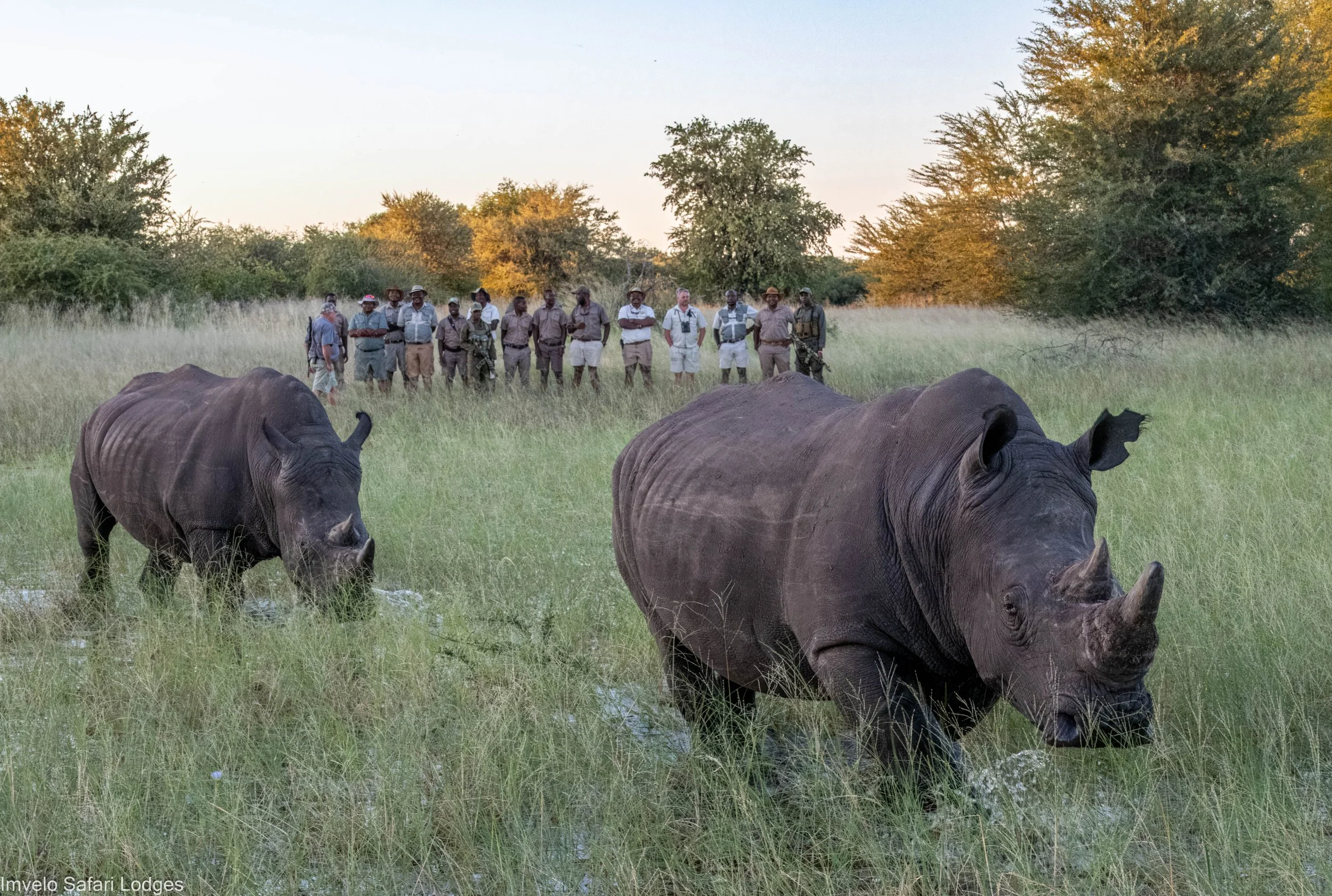
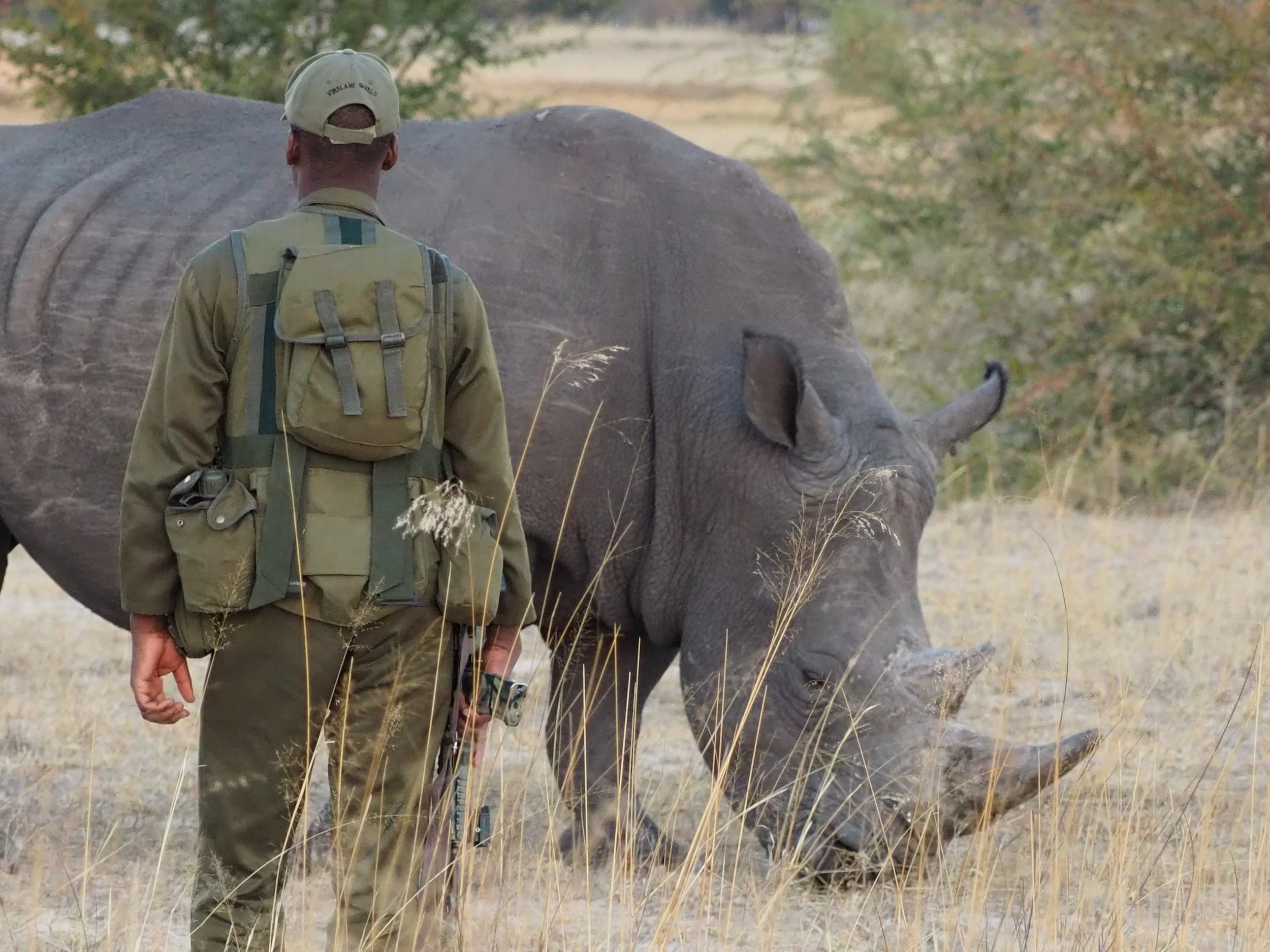
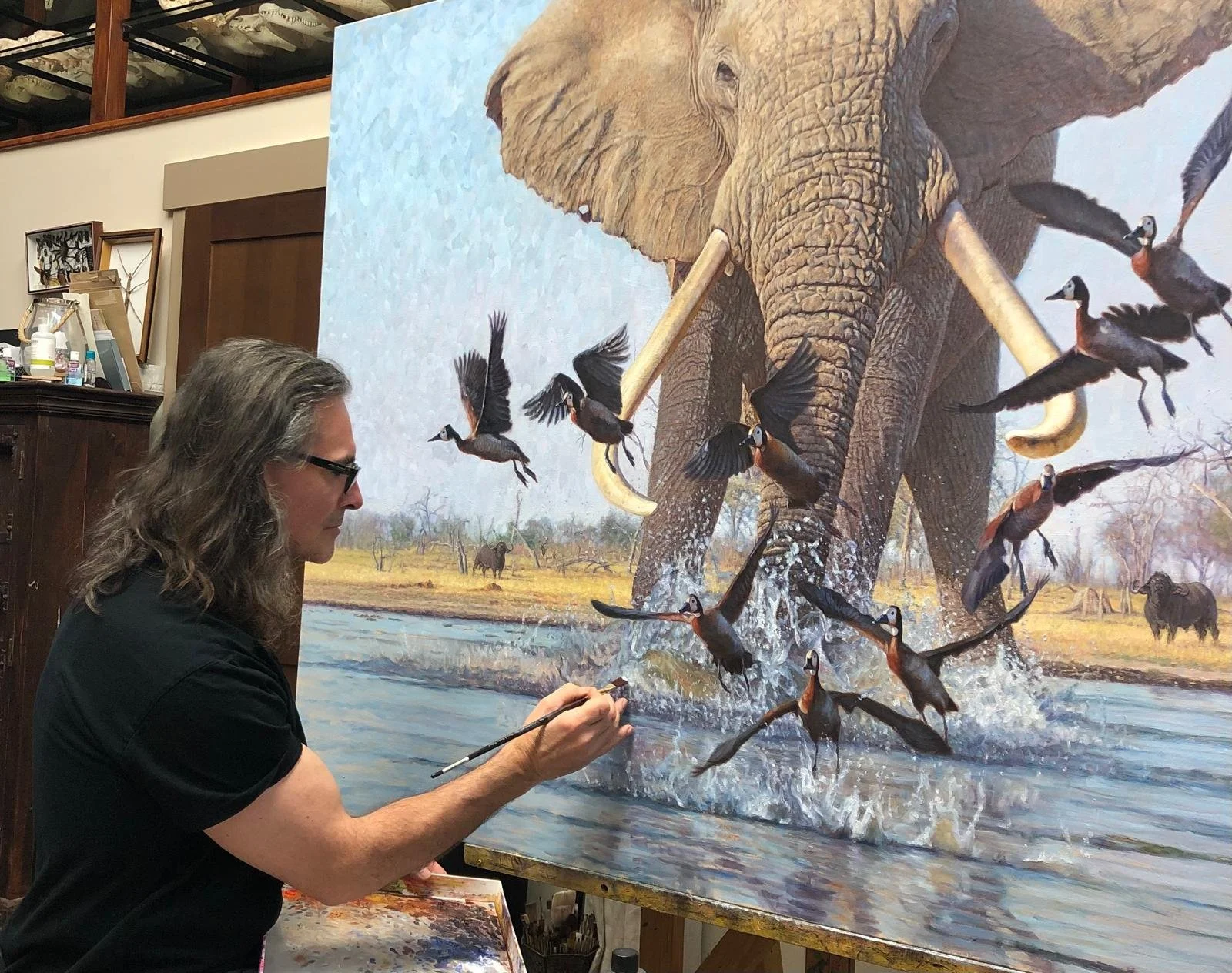
For John, conservation has never existed separately from art. It is the reason behind it. Every painting carries with it a deeper intention - not only to capture what is seen, but to draw attention to what is at risk, to create awareness, and to protect what cannot speak for itself. And beyond the canvas, that commitment continues here, in the field, through the support of conservation initiatives, the funding of protection efforts, and collaboration with those who dedicate their lives to preserving these wild spaces. This is not something distant or conceptual. It is something lived.
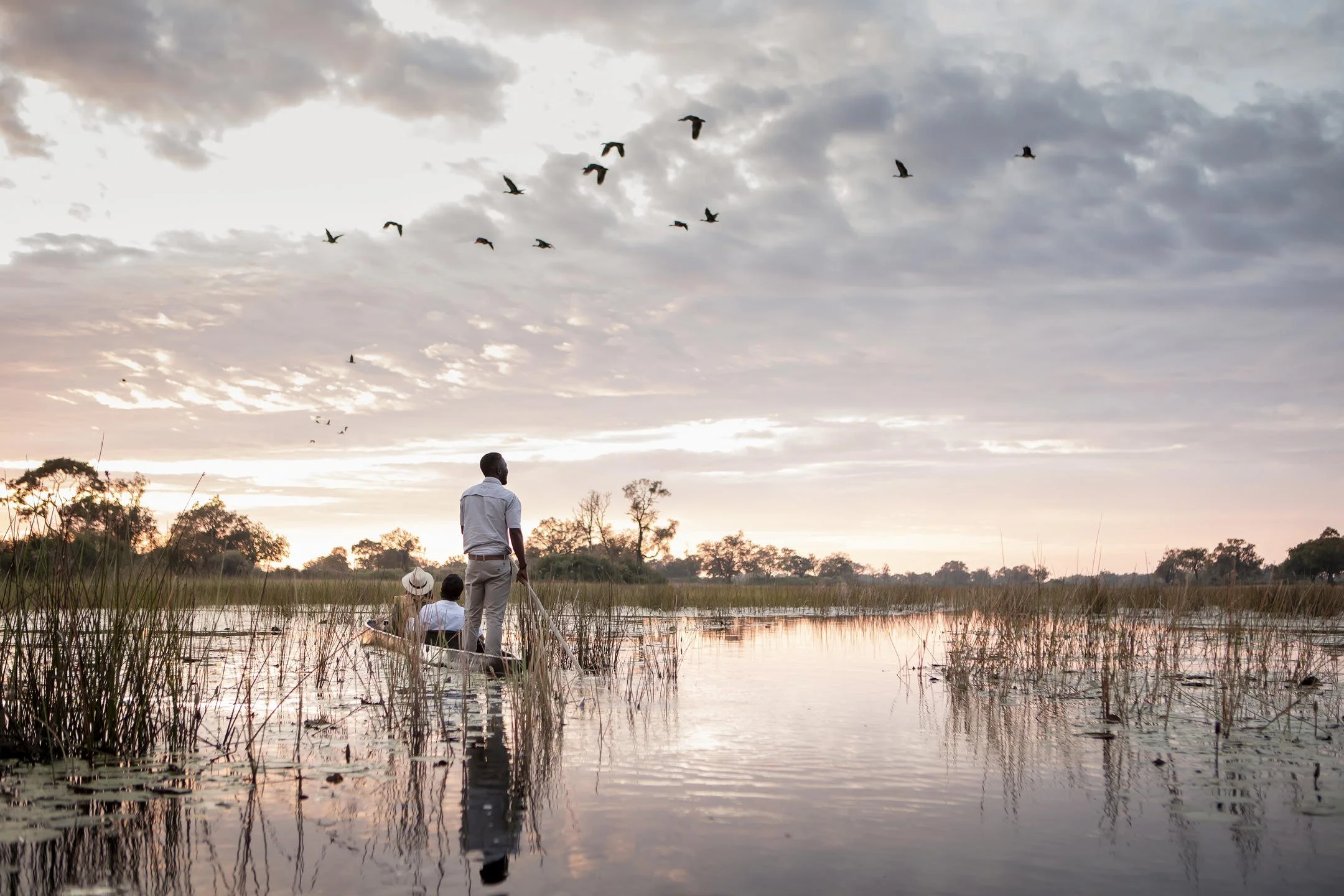
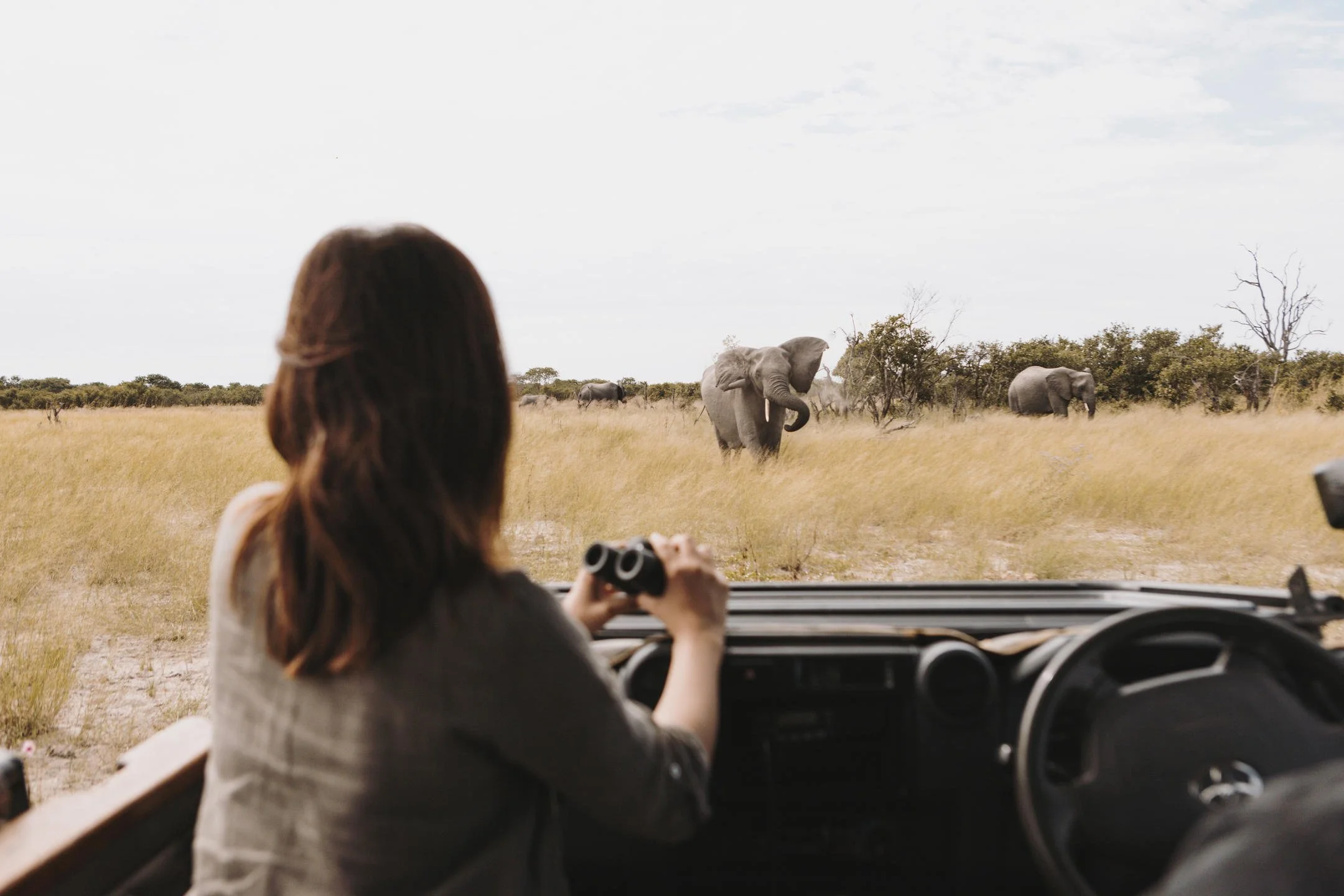
When you travel with Wildscapes, you begin to experience this for yourself. Conservation is not hidden behind the scenes; it becomes part of your journey. You hear the stories firsthand. You meet the people whose lives are intertwined with the land. You begin to understand what it truly takes to keep these ecosystems alive.
You witness rhino translocations that require extraordinary precision, planning, and care. You come to appreciate the quiet, relentless work of anti-poaching teams. You see communities whose futures are directly connected to the health of the land around them. These are not distant ideas or passing narratives. They are real, immediate, and ongoing.
And standing here, in the middle of it, something changes.
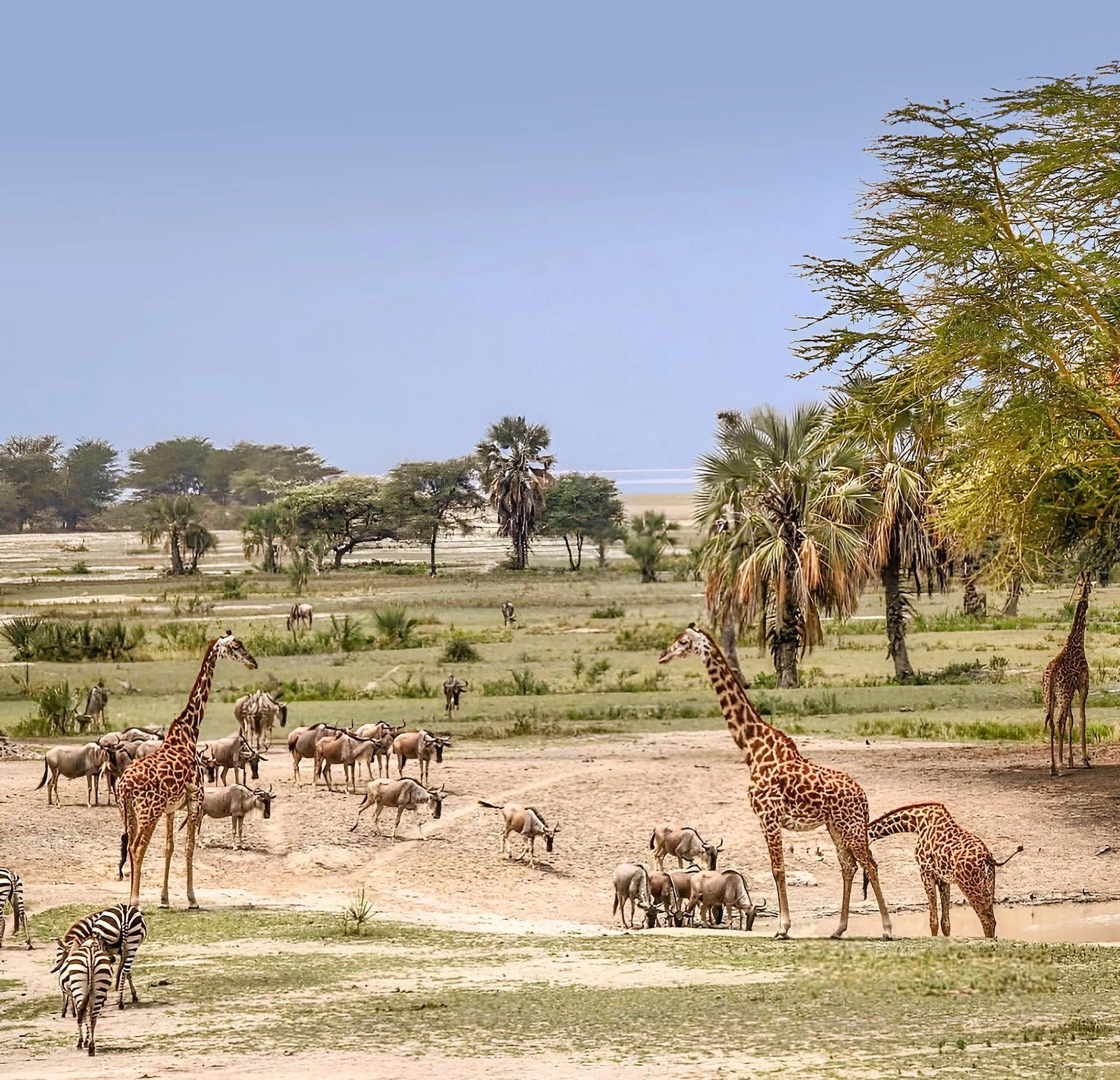
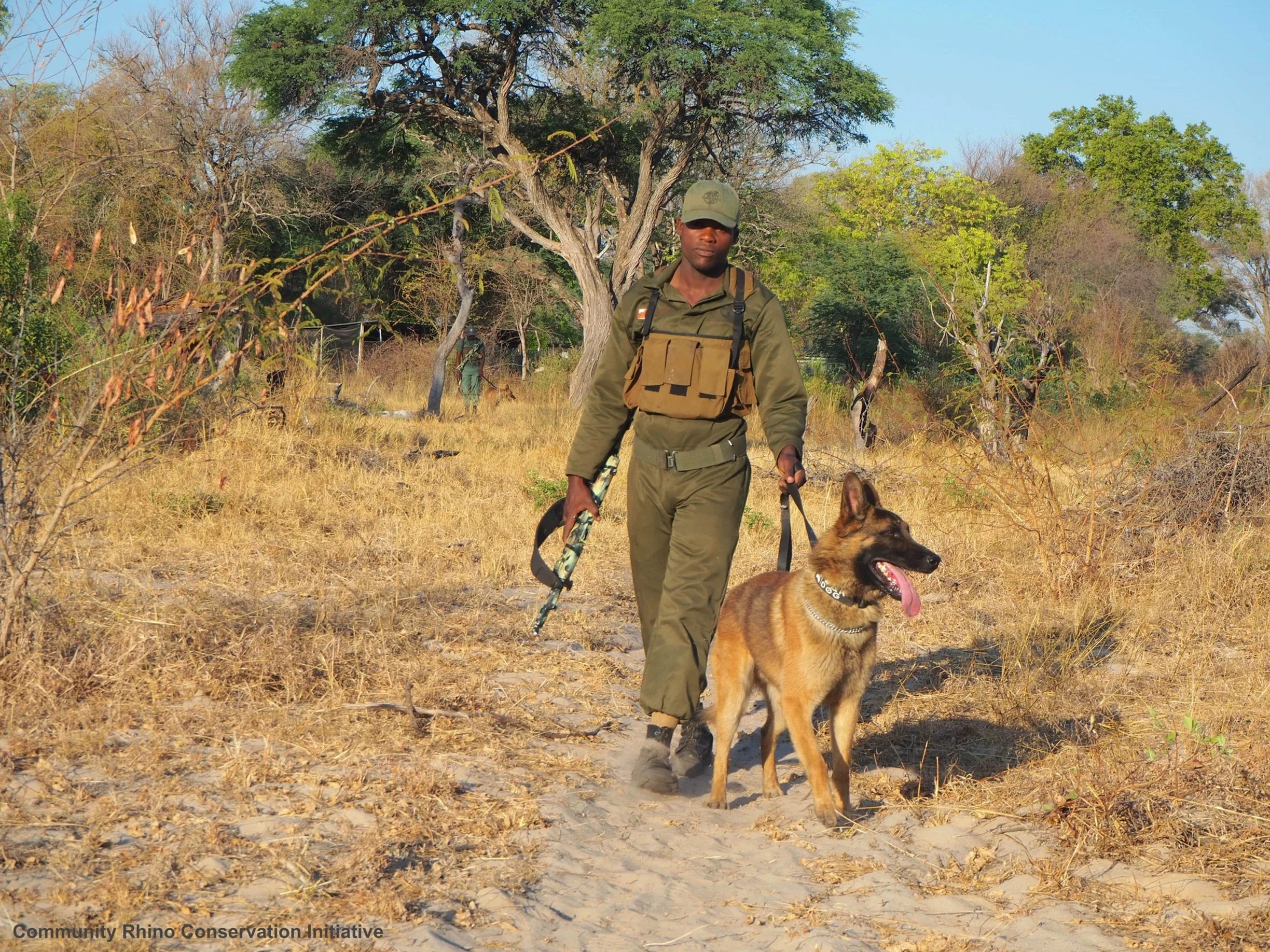

You begin to understand that travel can do more than inspire. It can contribute. It can support the very landscapes and wildlife that draw you here in the first place. It can create a connection that extends far beyond the duration of a journey.
With that understanding comes a different kind of awareness; a sense of responsibility, and a sense of participation. You are no longer simply observing the wild; you are connected to its future.
There is a quiet power in that realization. The experience you are having is not separate from the protection of these places. Your presence, when aligned with the right people and a deeper purpose, becomes part of something larger.
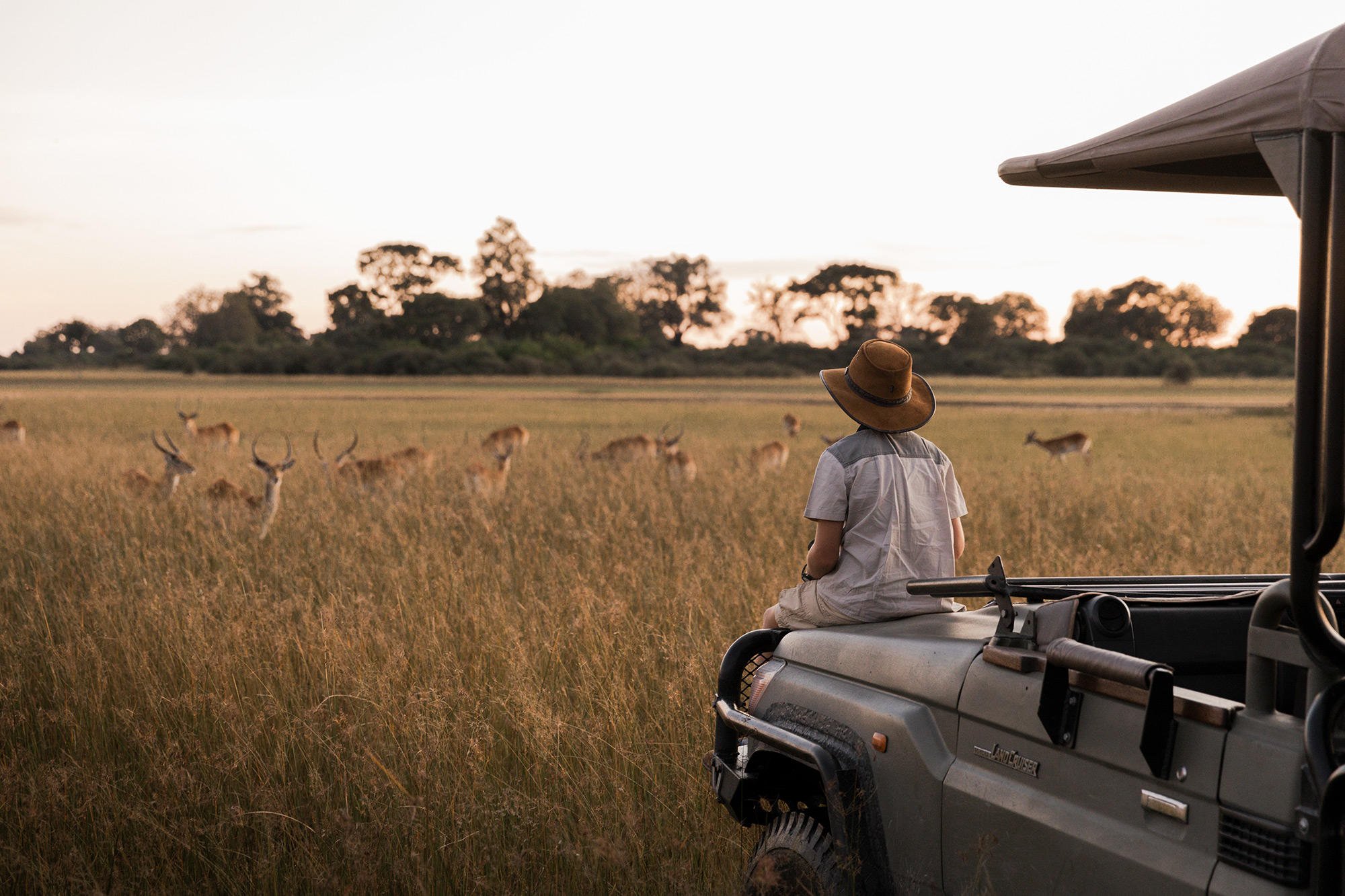

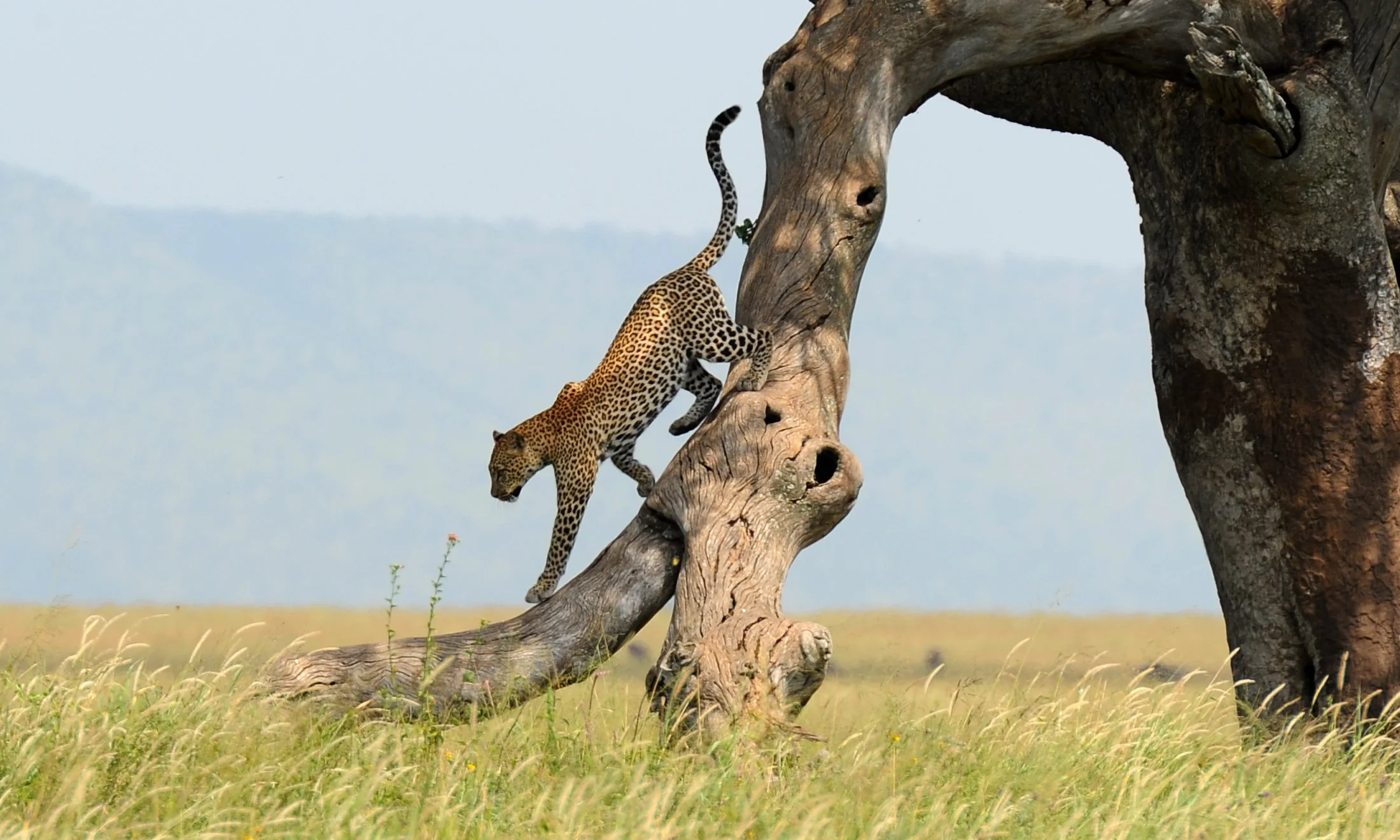
This is what transforms a journey. It moves beyond beauty and beyond experience, into something that truly matters.
Long after you leave, this is what stays with you. Not only the sightings or the landscapes, but the understanding that these places exist because people have chosen to protect them, and that, in some small but meaningful way, you have become part of that story.
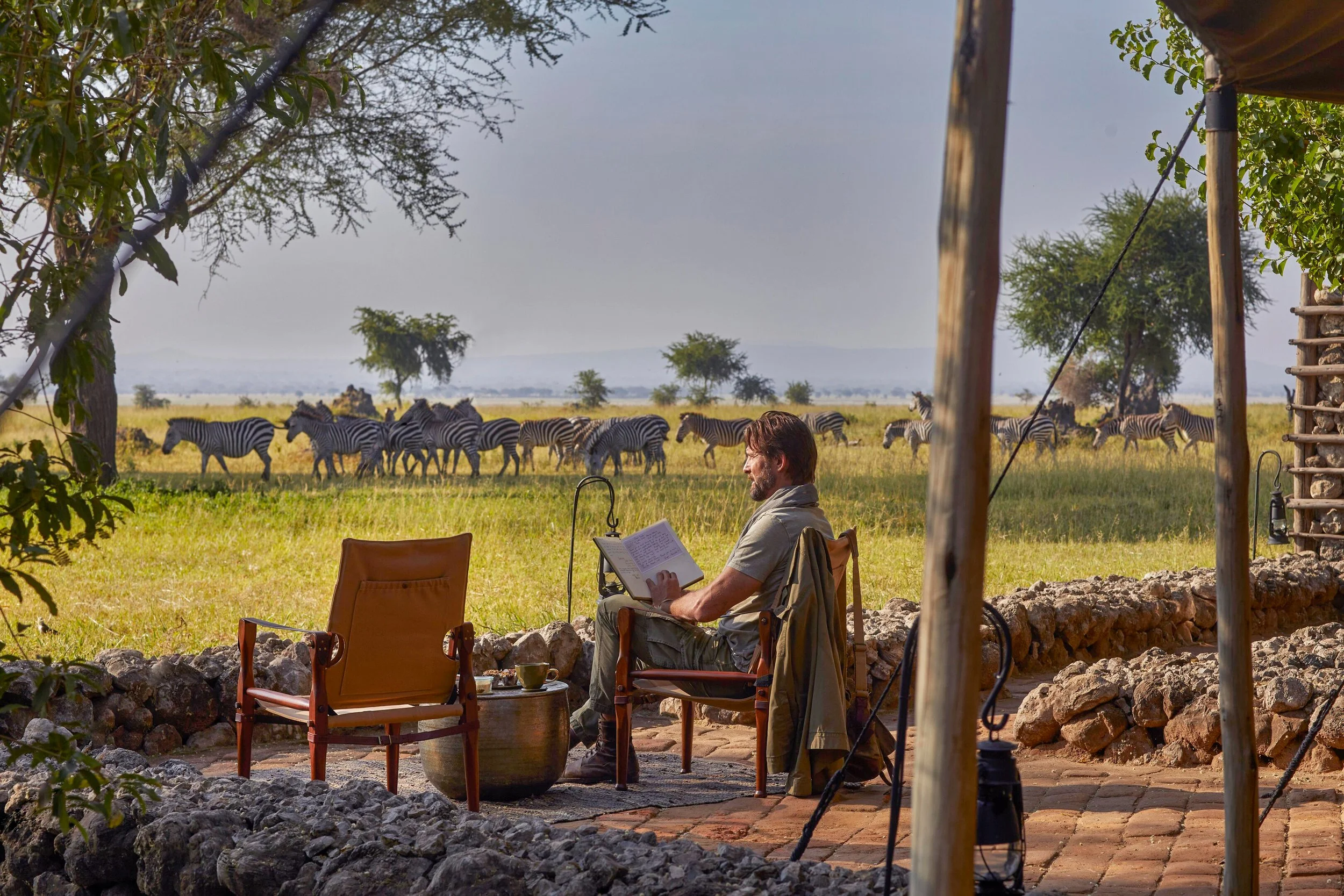
This is the art of conservation. Not something observed from a distance, but something lived, experienced, and carried forward.
PHOTO CREDITS: Chem Chem, Vumbura Plains, Singita, Imvelo.