
Your First Safari vs. Your Fifth Safari
Your first safari is usually about wonder.
You want to see the animals you have dreamed about for years. Lions. Elephants. Leopards. Giraffes crossing open plains. Perhaps the Great Migration. Perhaps the Okavango Delta. Perhaps a leopard in the Sabi Sand. You have probably imagined the moment so many times that, when it finally happens, it feels slightly unreal. And there is nothing wrong with that.
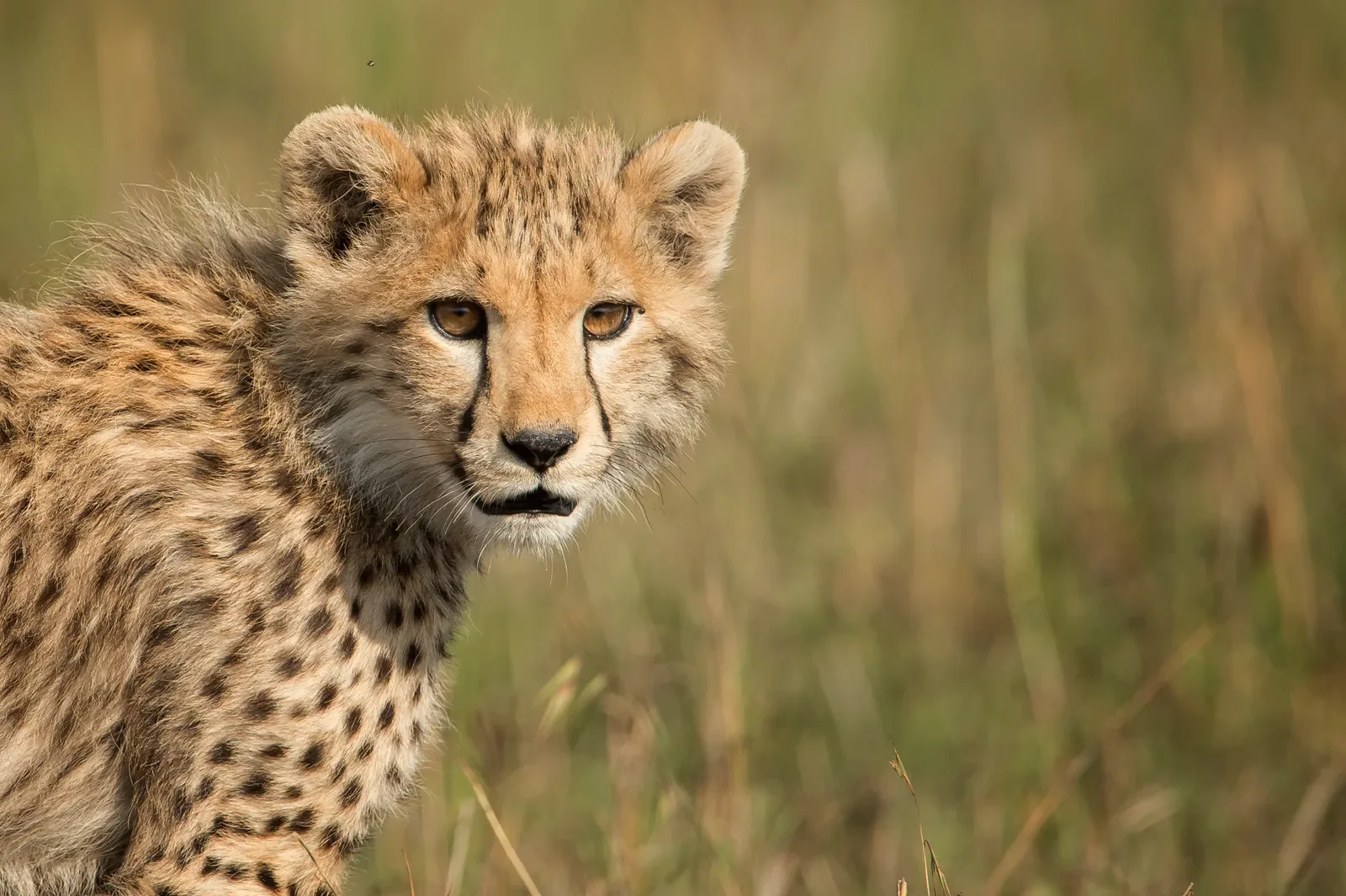
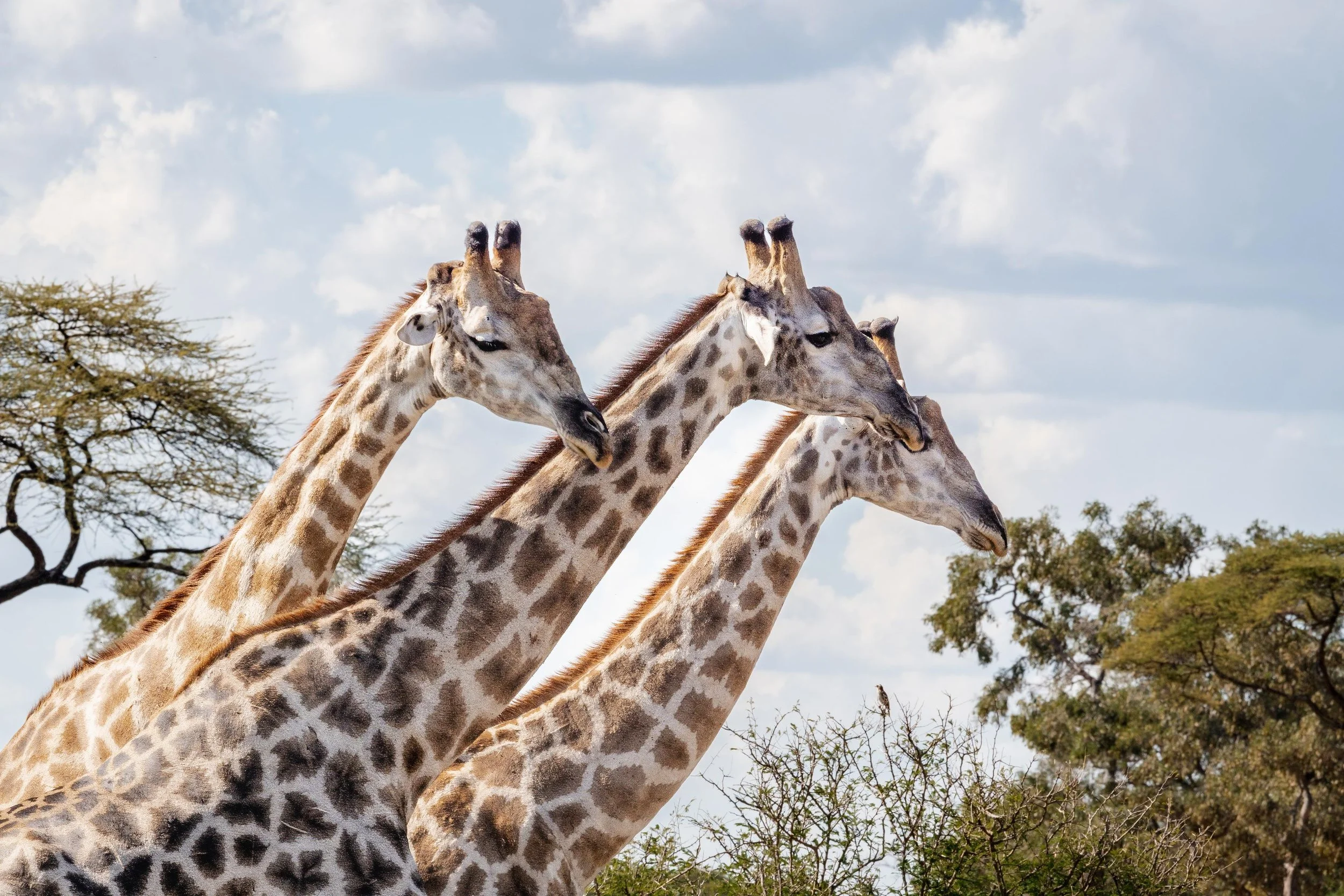
A first safari should feel exciting. Everything is new. The smell of the bush before sunrise. Coffee in the dark. The first tracks in the road. The first time your guide suddenly stops the vehicle and says, “Look there.” The first elephant appearing through the trees. The first lion call at night. You are taking it all in because you do not yet know what will become normal.
Then you go home, and something changes.
You find yourself thinking about Africa at odd moments. You hear a bird call and remember a morning in the bush. You see a photograph of an elephant and notice its ears, posture and the position of the calf rather than simply thinking, beautiful elephant. You start following conservation stories from places you visited. You recognise lodge names. You understand what people mean when they talk about private concessions, the green season or walking safaris. And before too long, you are thinking about going back.
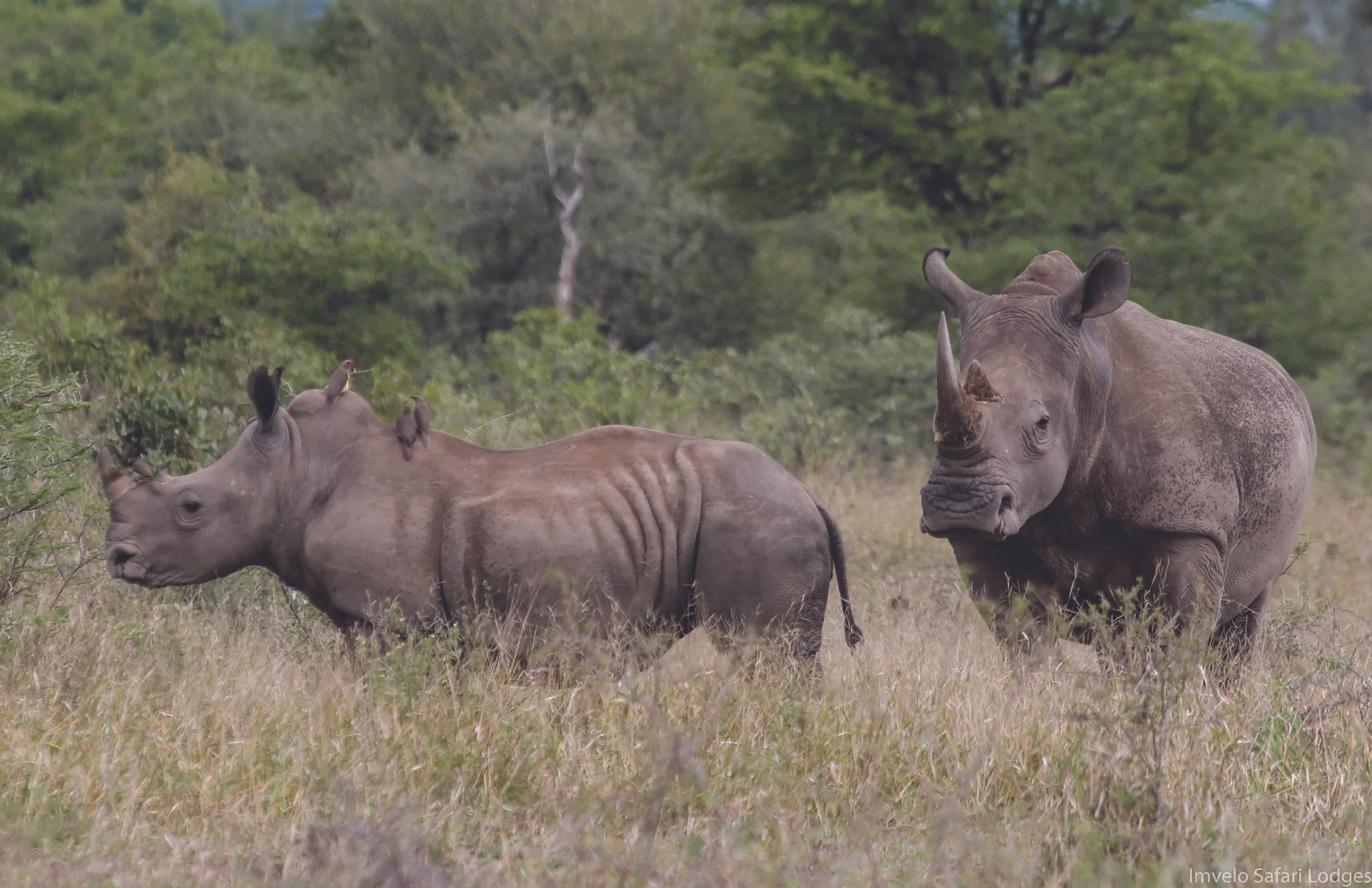

The second safari feels different. You still want lions and elephants, of course, but you are less anxious about finding them. You know now that Africa rarely gives you exactly what you expect, and that is part of why you love it. You are more willing to sit quietly. You begin noticing the spaces between sightings. You start appreciating the guide who says, “Let’s wait here for a little while.”
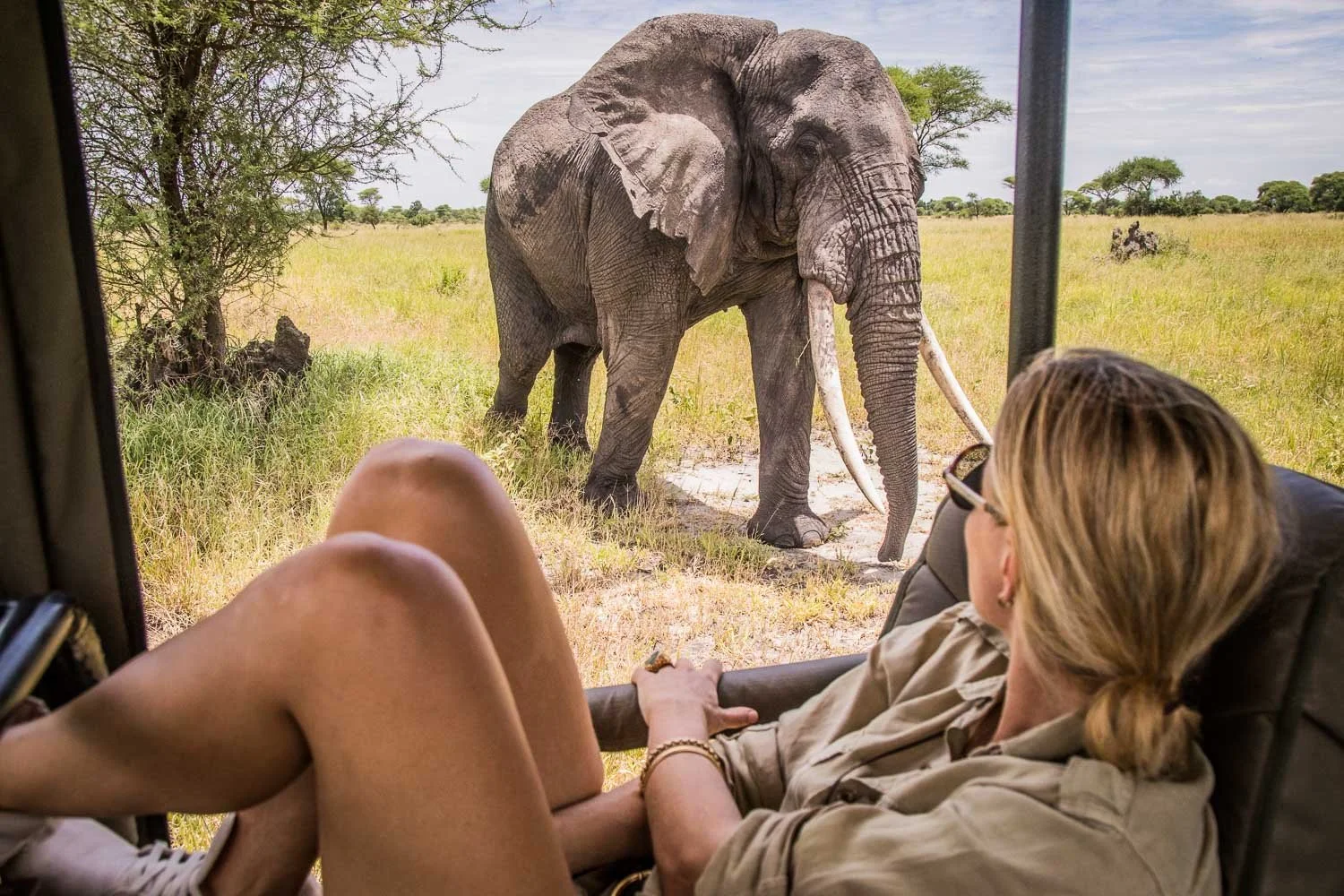
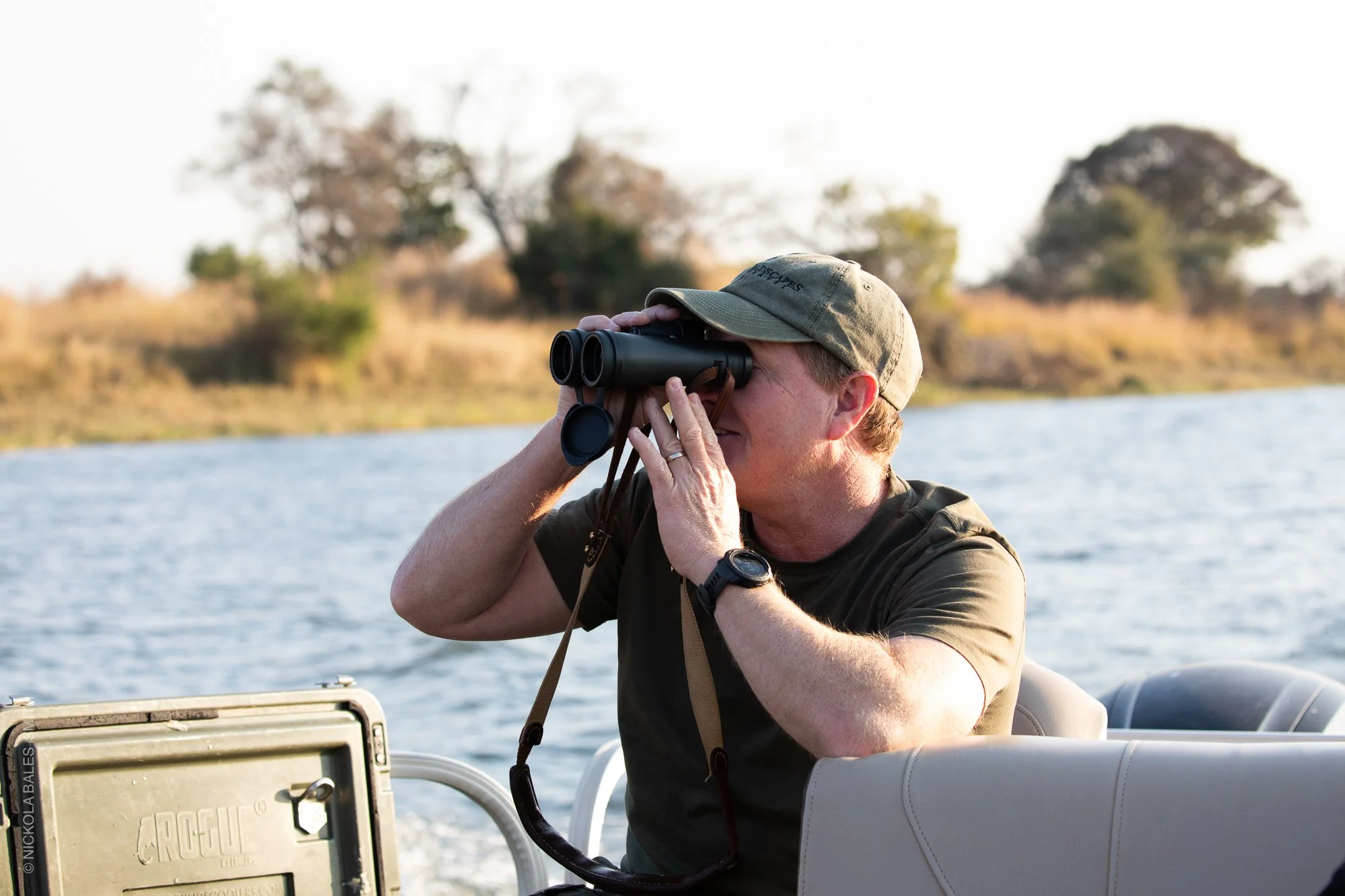
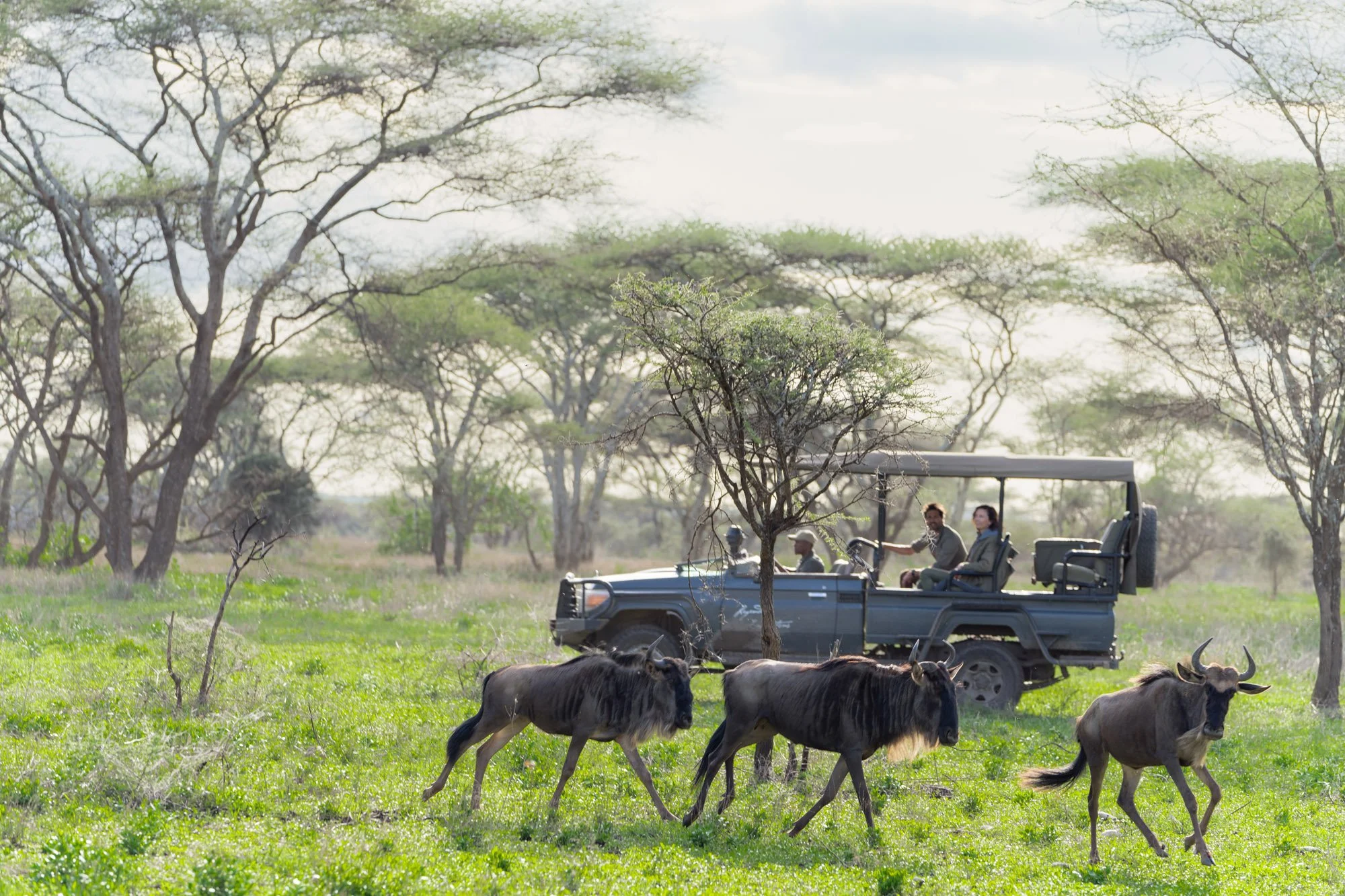
By the third or fourth safari, you may realise that the things you remember most are not necessarily the things you travelled there to see. Perhaps it was a pack of wild dogs on the move, a tiny owl your guide somehow spotted in a tree, a storm rolling across the plains or a morning spent following tracks that never actually led to the animal. It may have been a long conversation with your guide, lunch beneath a tree or a herd of elephants doing absolutely nothing dramatic at all.
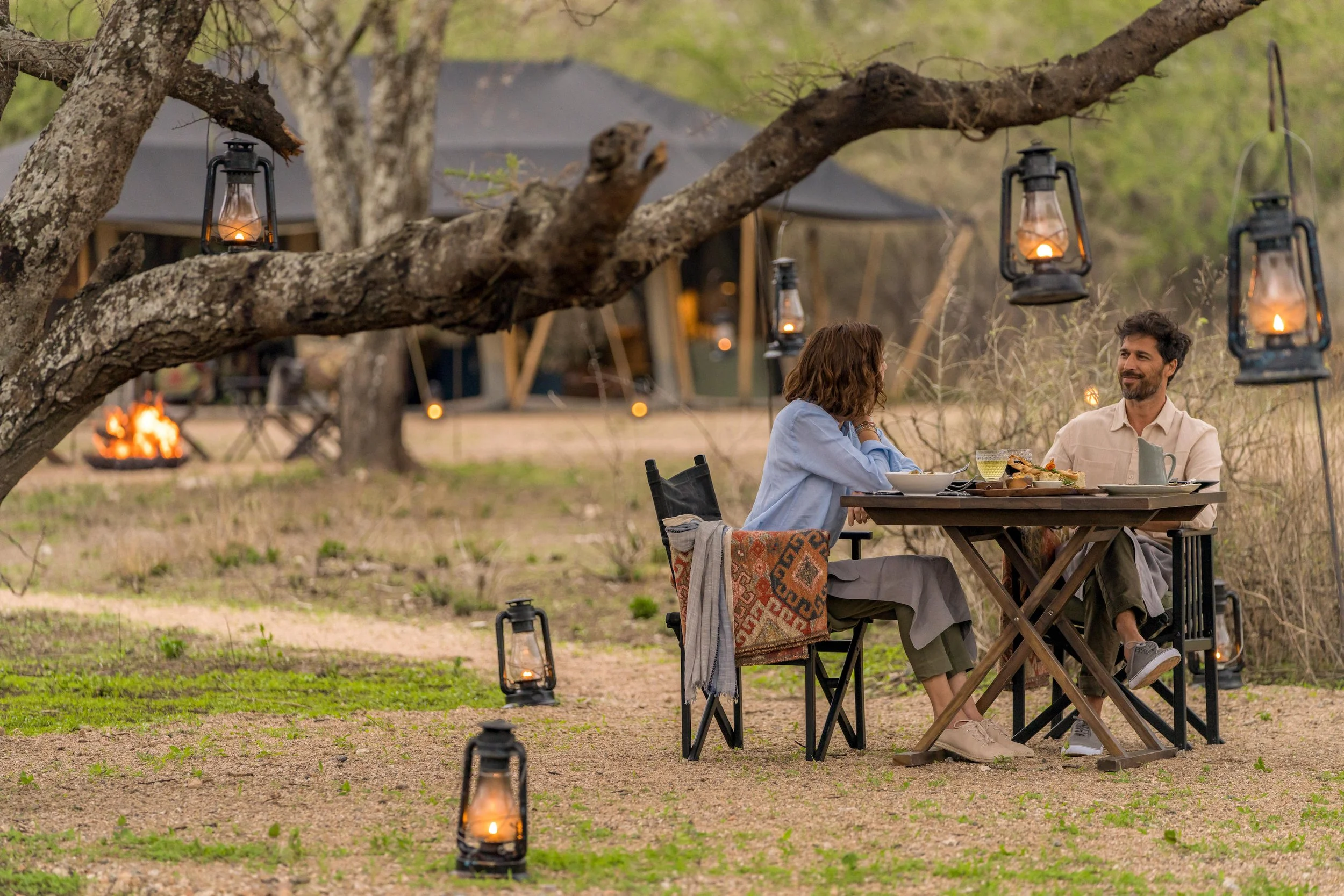
You also begin to understand what you personally love about safari. Maybe you want fewer people. Perhaps photography has become increasingly important. You may discover that you prefer walking to game drives, or that birds have become far more interesting than you ever expected. You want to stay longer in one place. You want to understand the conservation behind the landscapes you are visiting, rather than simply being told that a lodge “supports conservation.” You might even realise that a small tented camp with exceptional guiding gives you more joy than the most spectacular suite imaginable.
This is when the way you choose Africa starts to change.
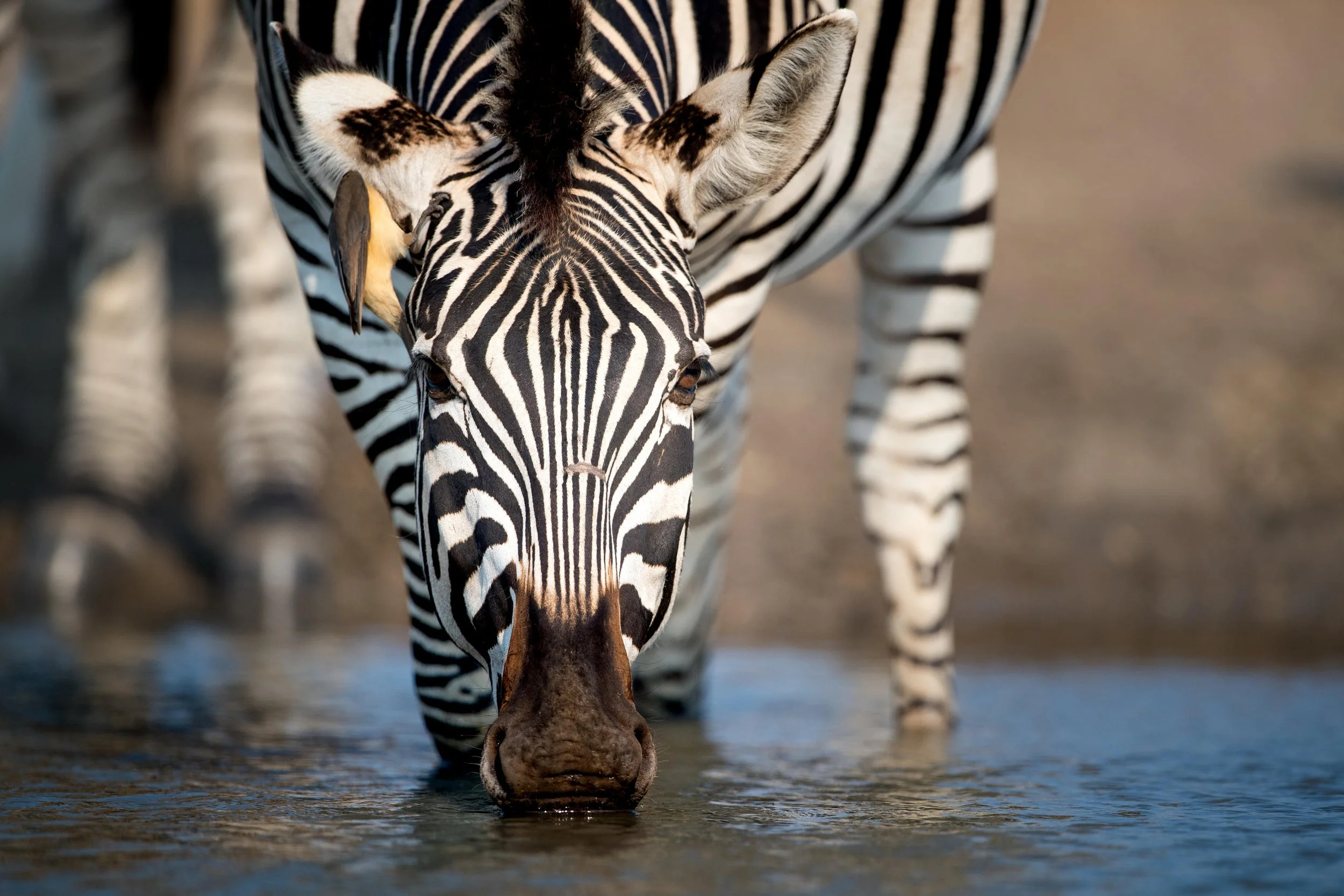
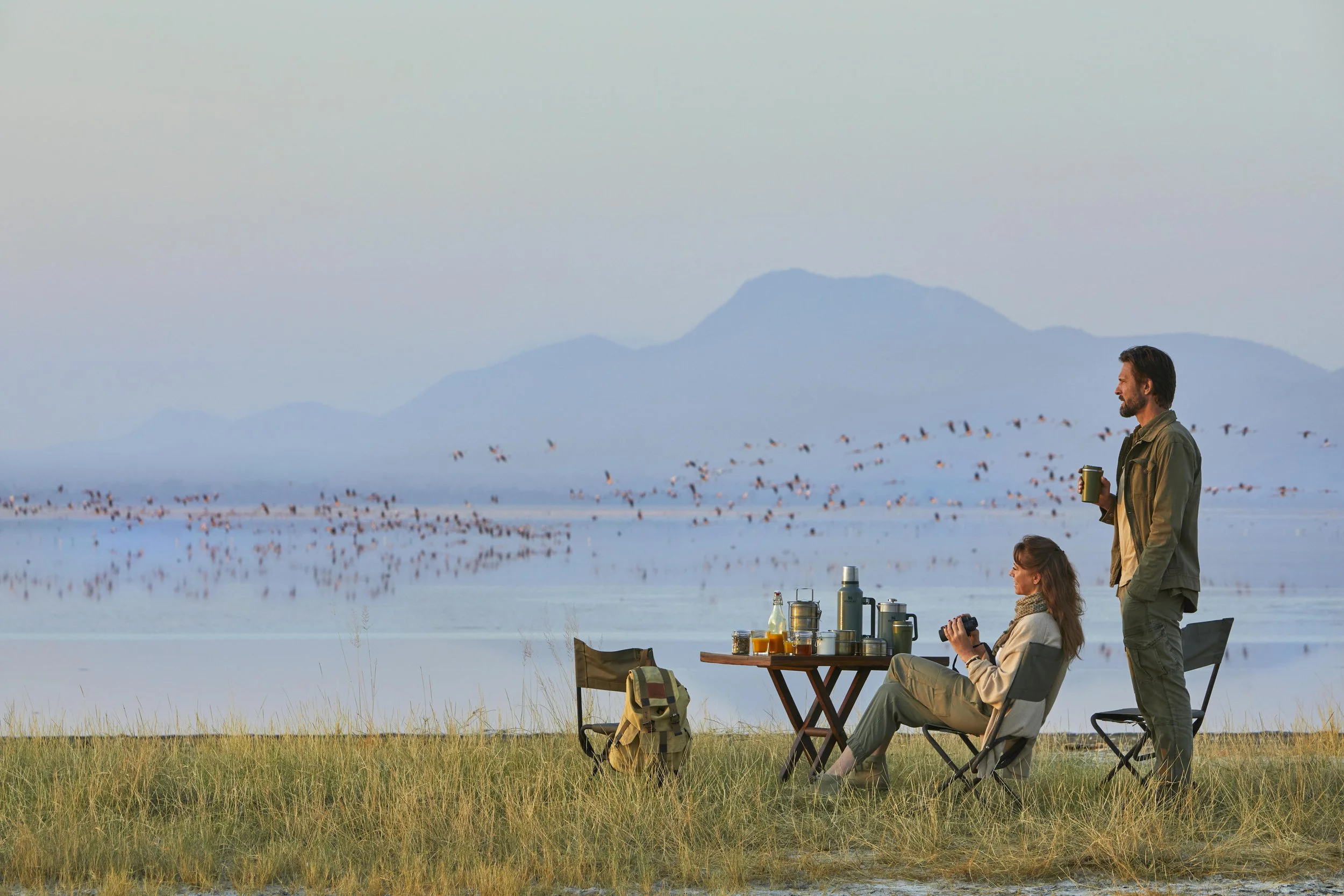
On your first safari, places such as the Serengeti, the Sabi Sand or the Okavango may have felt like the obvious dream. They remain extraordinary, but later you begin looking at names you once skimmed over. Mana Pools. South Luangwa. Liuwa Plain. Remote corners of Zimbabwe. A small camp somewhere you had never heard of, chosen because the guide is exceptional, the wildlife is wild and the experience feels wonderfully unpolished.
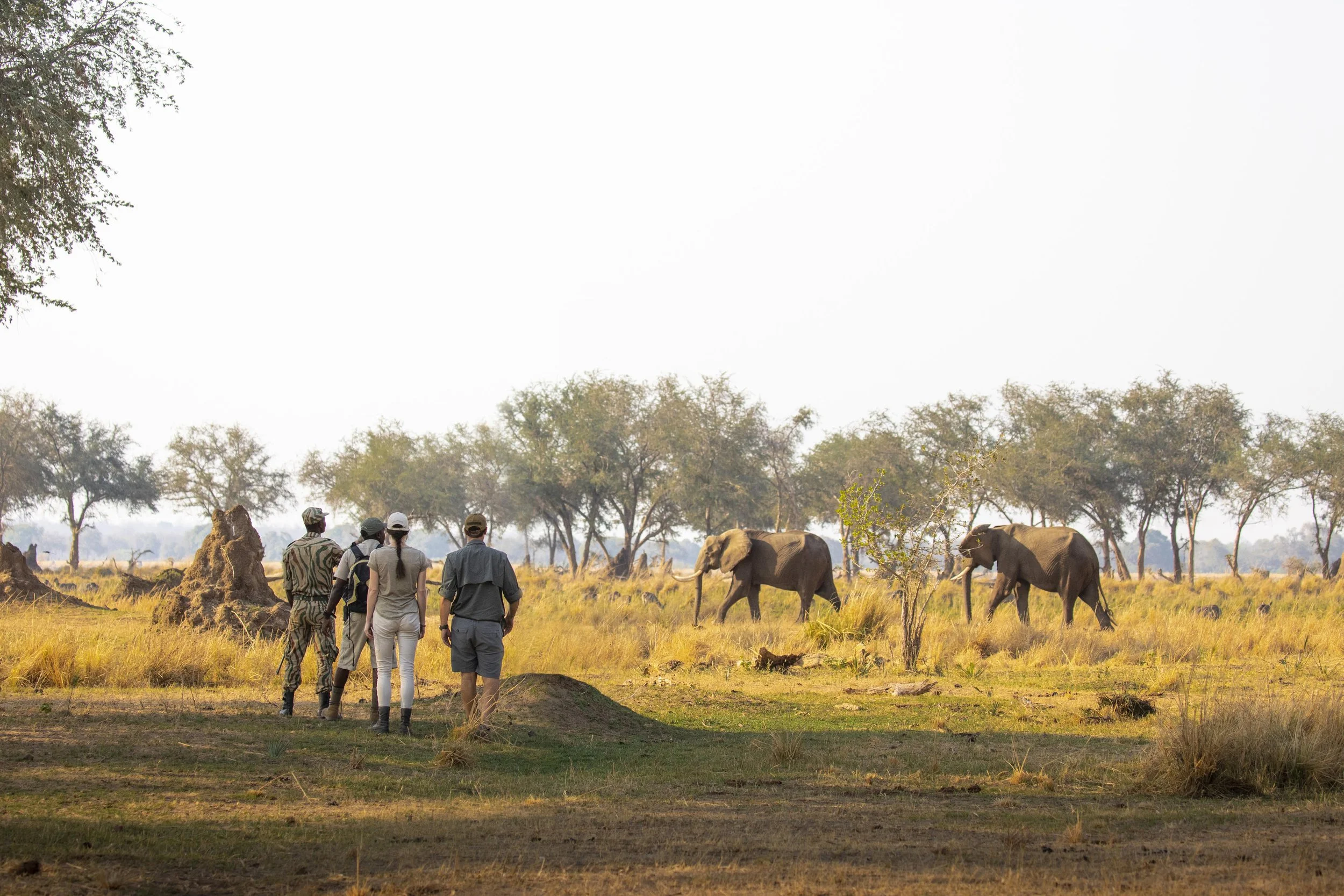
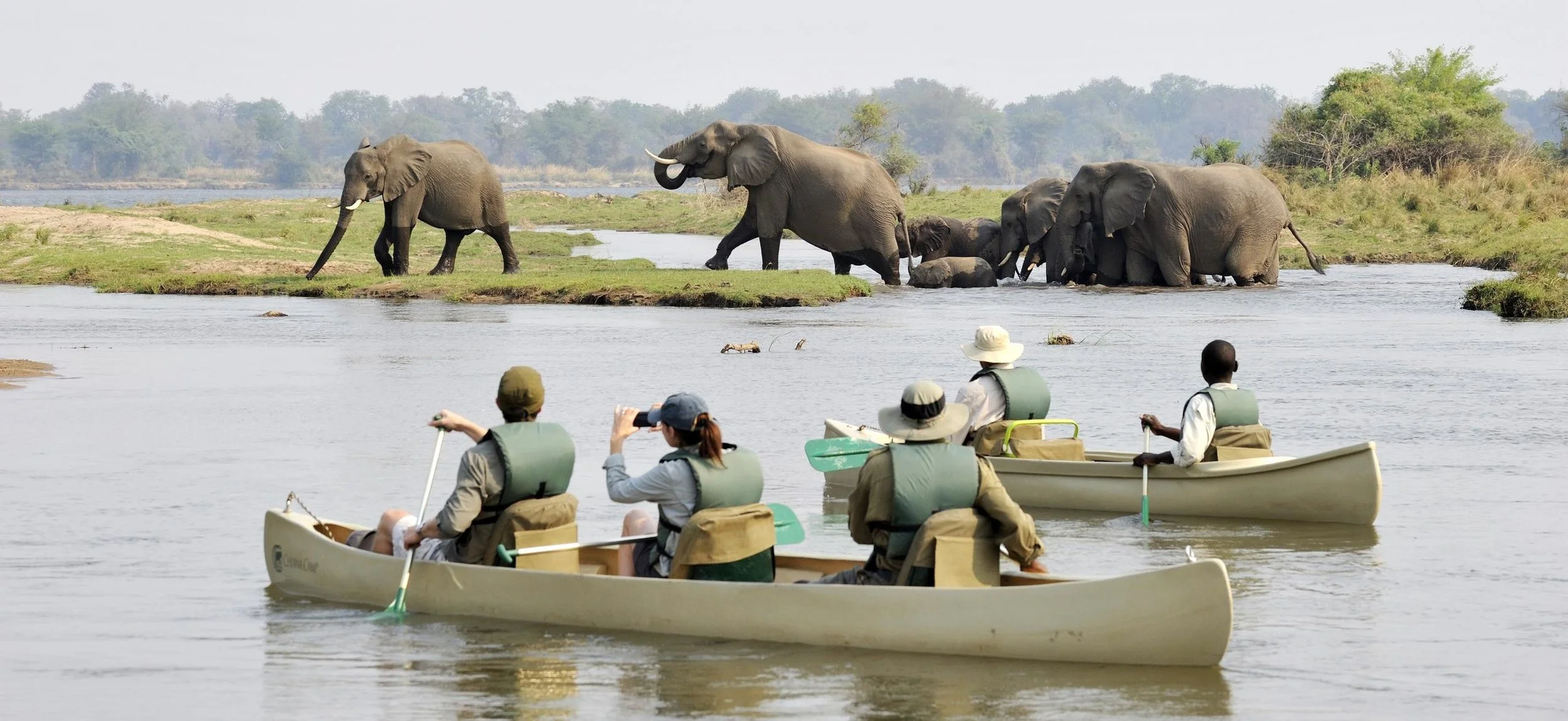
You become curious about the places that require a little more effort to reach, and strangely, that effort becomes part of the appeal.
You stop asking, “What are the best lodges in Africa?” and start asking better questions.
Where will we have the best guiding? Where can we walk? Where will there be fewer vehicles? Where can we spend real time with elephants? Where is the landscape most beautiful at that time of year? Where can we stay longer? Where might we experience something completely different from what we have done before? That is when safari becomes very personal.
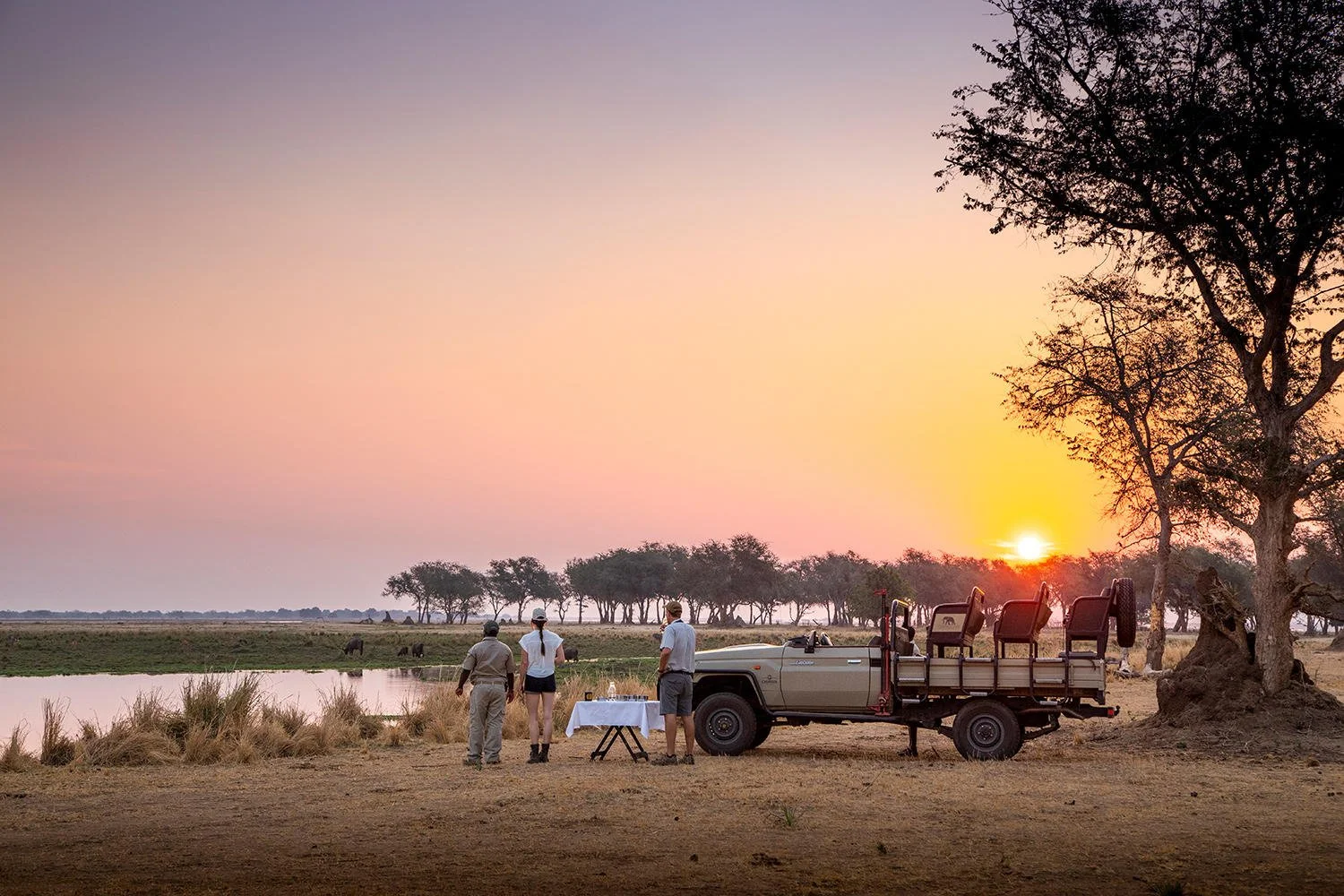
By your fifth safari, you may find yourself wanting almost the opposite of what you wanted the first time. The first time, you wanted to fit everything in. Now, you want to slow everything down. The first time, two or three nights somewhere sounded sufficient. Now, you know that four nights is often when a place begins to settle into you.
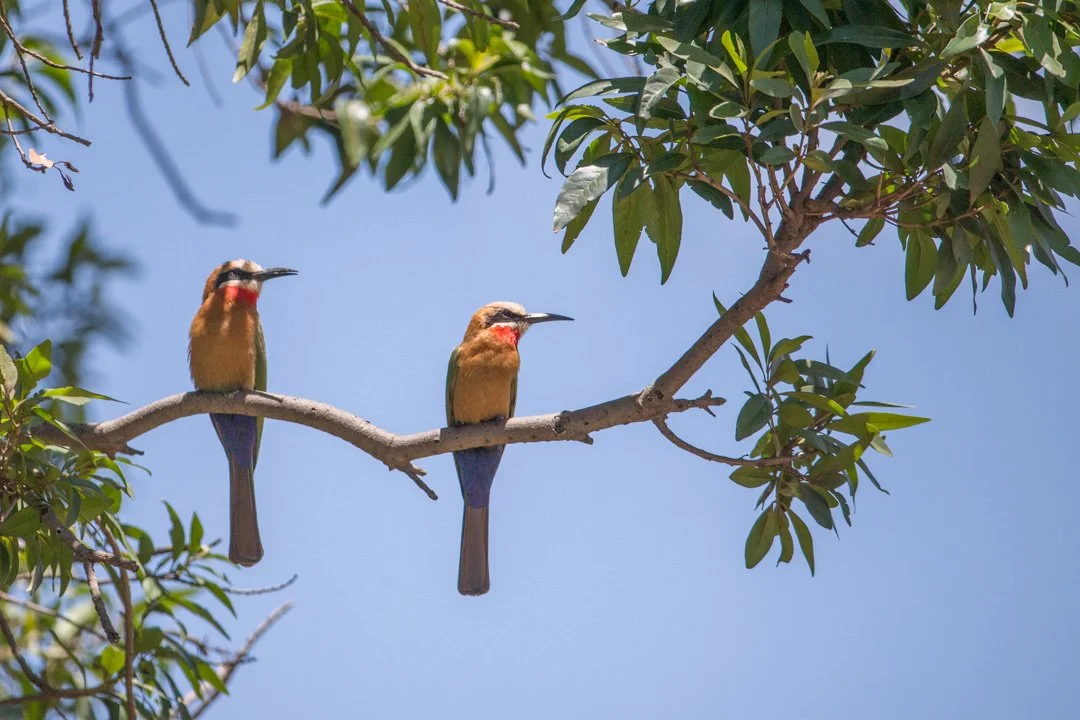
The first time, you wanted the Big Five. Now, you might happily spend a morning watching bee-eaters, elephants at a waterhole or a leopard that has been asleep in the same tree for two hours. The first time, you wanted to know what was next. Now, you are comfortable not knowing. And perhaps that is one of the loveliest shifts of all.
You begin to trust Africa. You trust the guide. You trust the landscape. You trust that not every morning has to produce something spectacular to be worthwhile, and you begin to understand that sometimes the quietest day becomes the one you remember most.
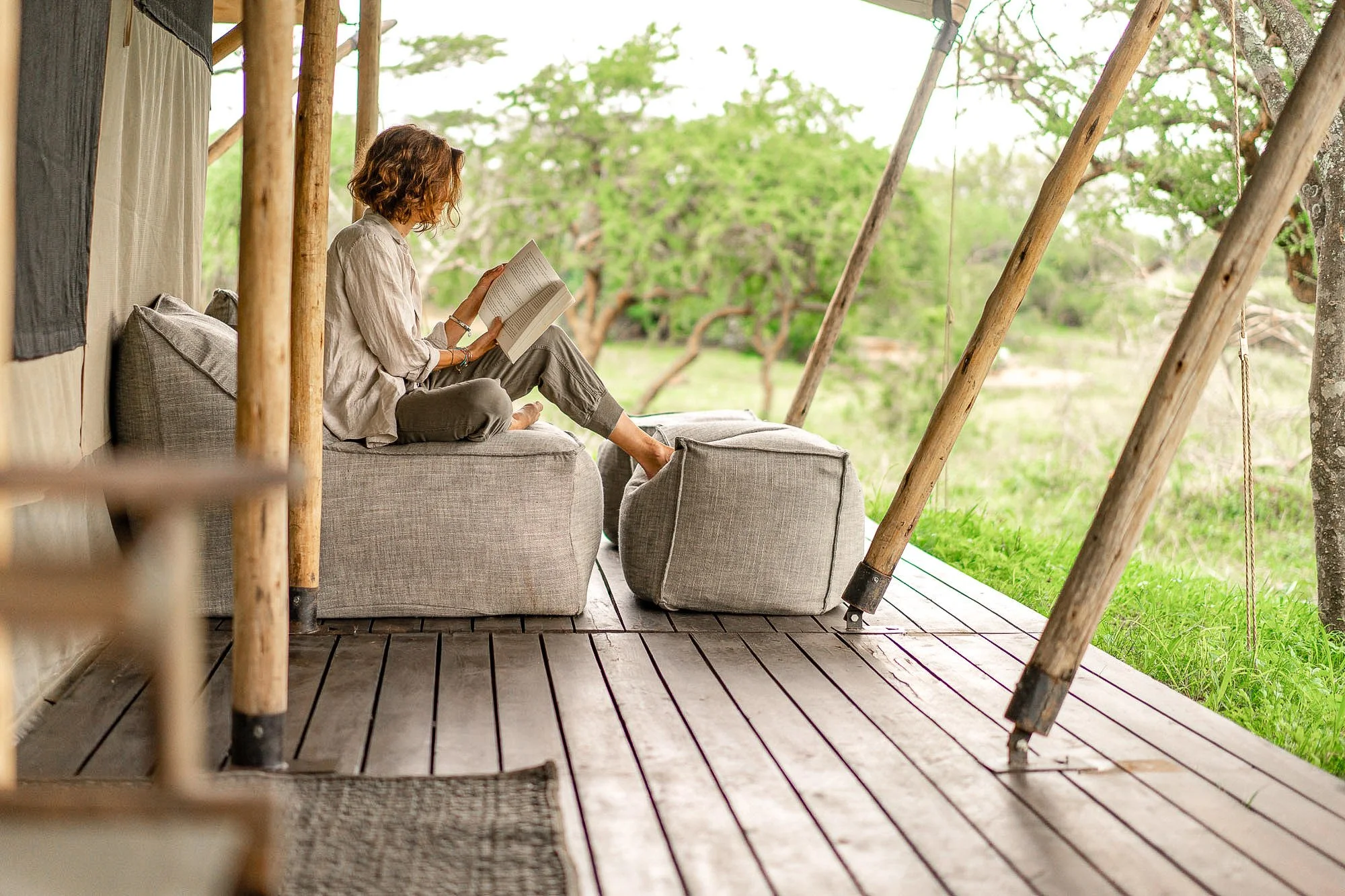
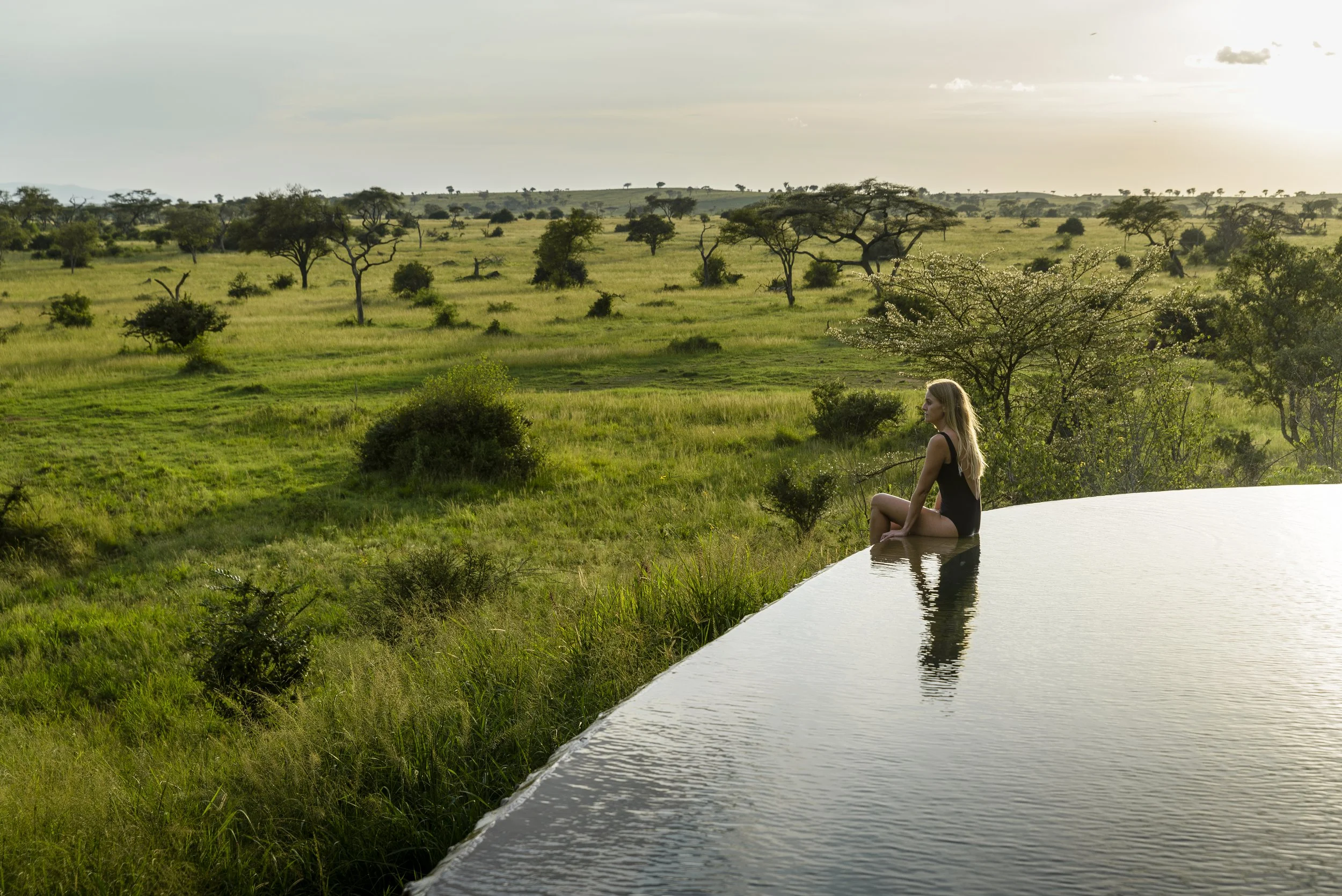
You also begin returning to places you have already visited. This can seem strange to people who have not yet fallen completely under Africa’s spell. Why go back when there are still so many countries you have never seen? Because once you know a place, you realise how little of it you have actually understood.
The Okavango in flood is not the same as the Okavango after the rains. The Serengeti during calving season tells a completely different story from the northern plains later in the year. The Zambezi Valley changes with heat, water and season. Even a familiar reserve can feel entirely new because the animals are different, the weather is different and, perhaps most importantly, you are different.
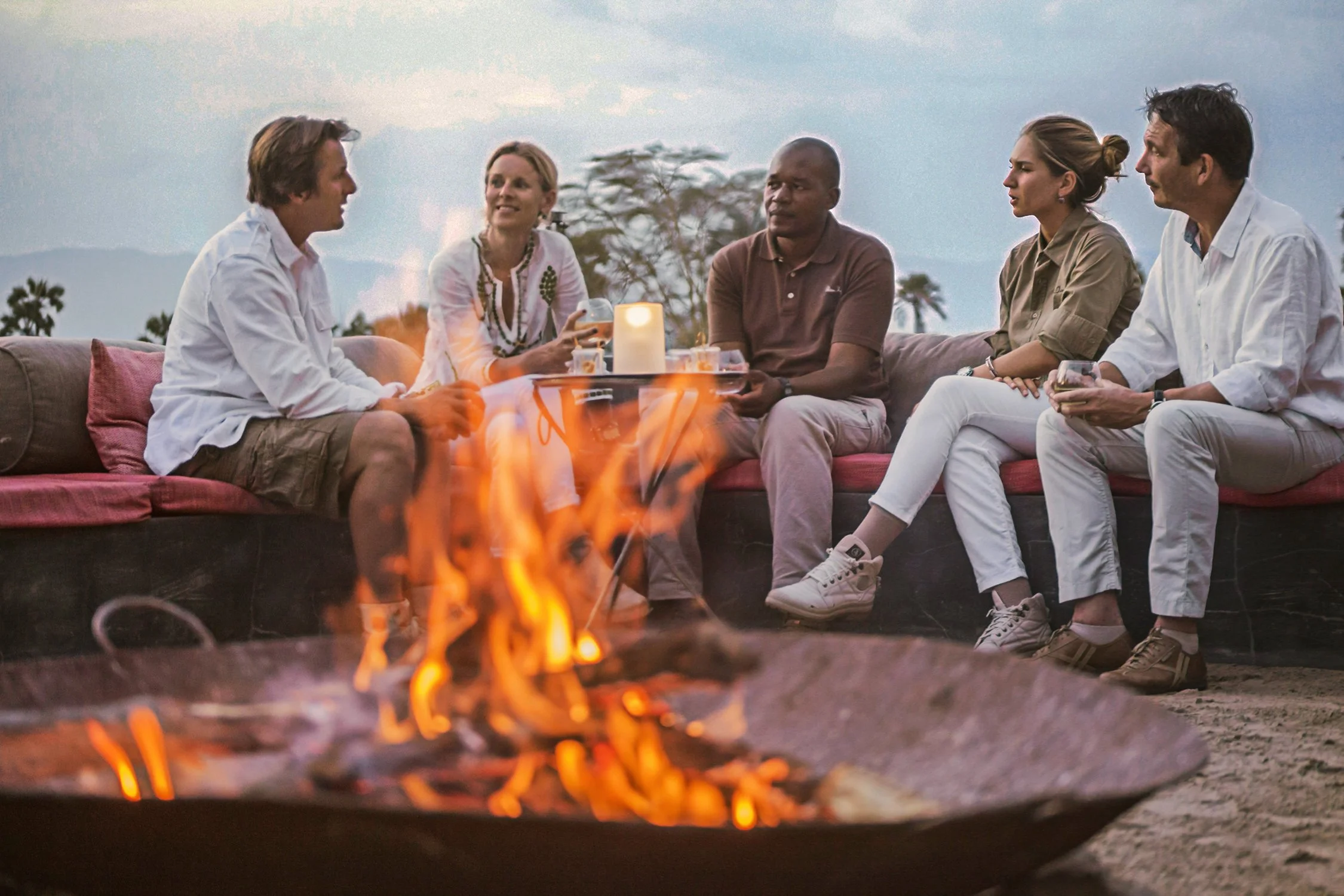
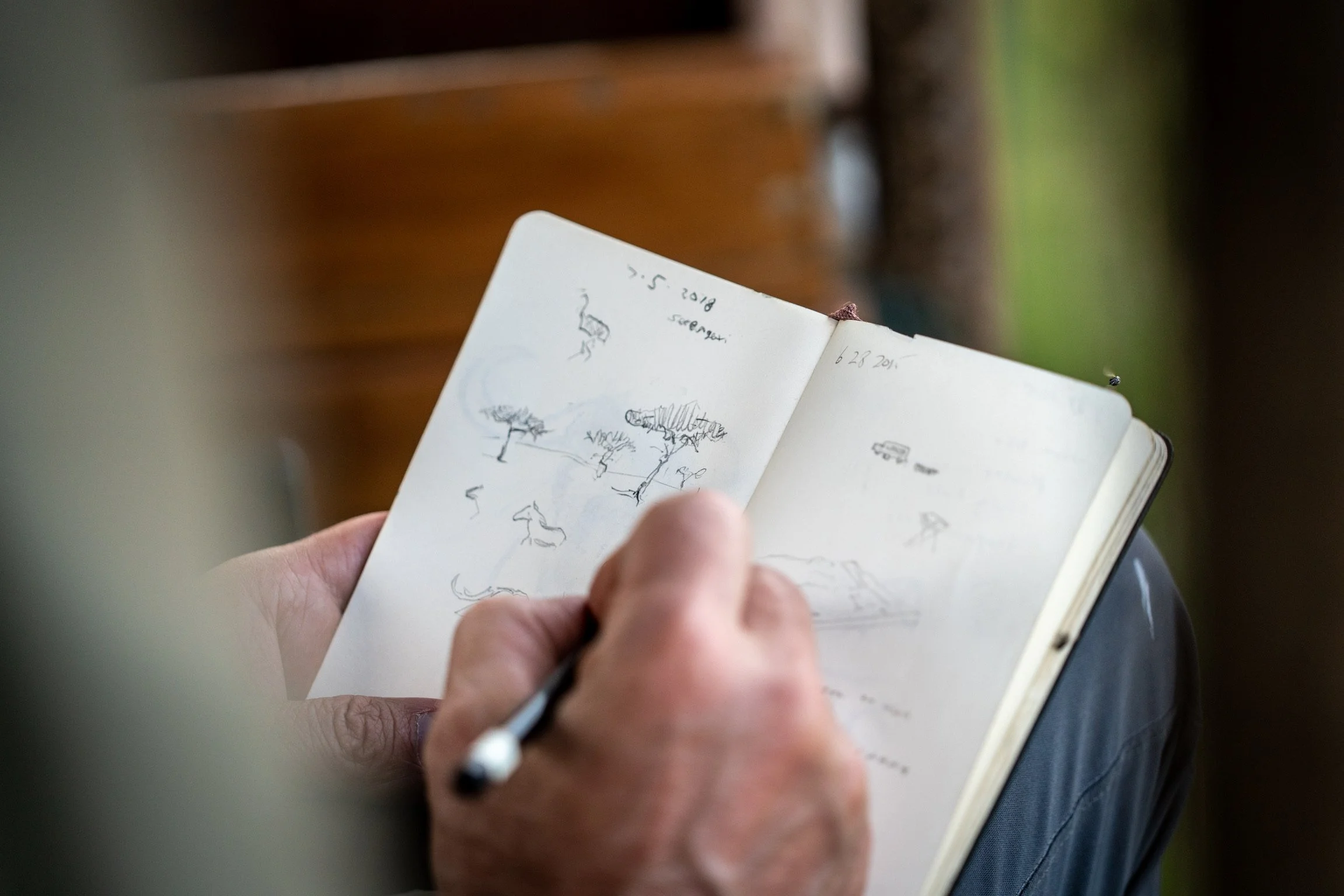
This is how John Banovich has always travelled. He returns to the same landscapes over years rather than treating Africa as a list to complete. He watches how animals behave, how the light changes, how the seasons shape the land and how the same species can reveal something completely new when given enough time.
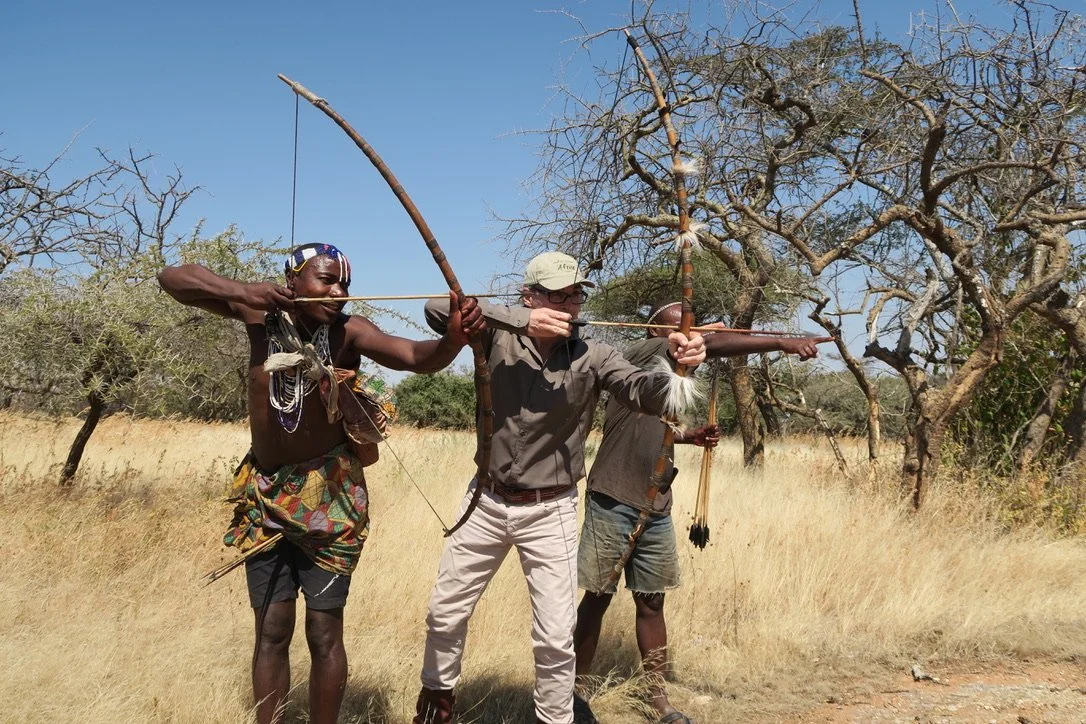
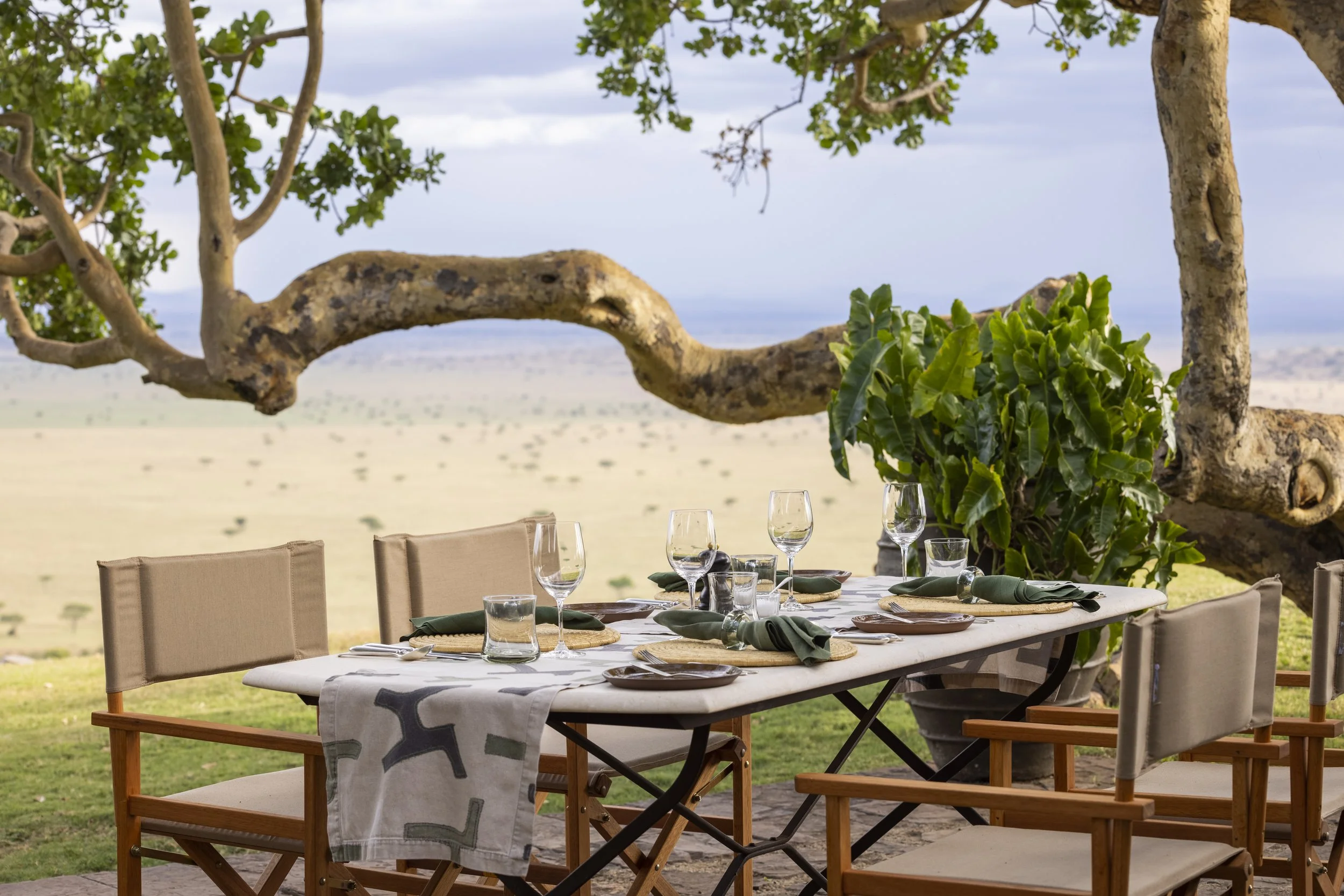
That repetition is where understanding develops.
An artist cannot understand elephants from one encounter. A traveller cannot fully understand a wilderness from one visit. Perhaps neither of us ever truly finishes.
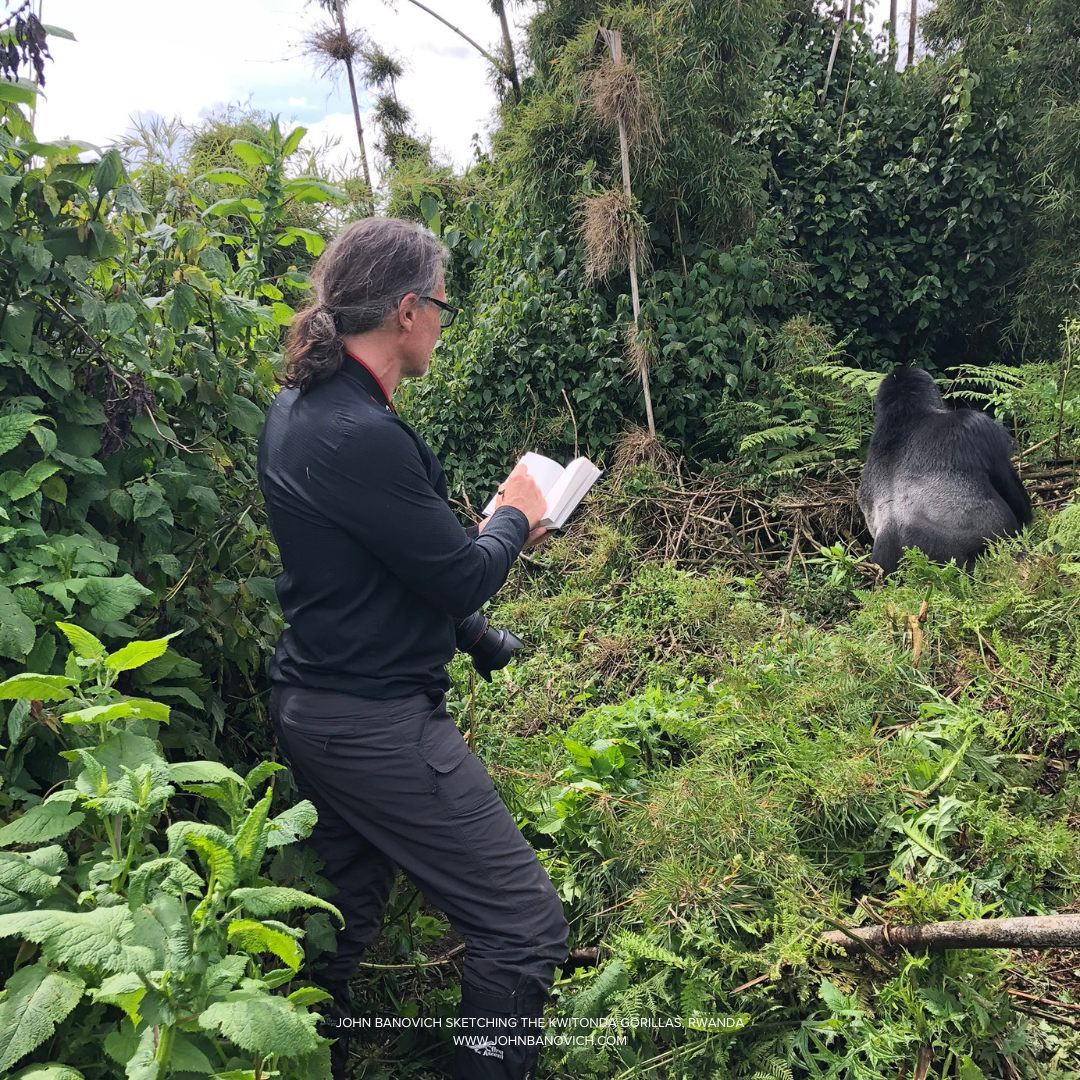
Your first safari gives you the great outlines of Africa. Your later safaris begin filling in the detail. You stop seeing “an elephant” and begin noticing the family. You stop hearing “a bird” and start recognising the call. You stop asking whether you saw enough and begin thinking about what you understood.
And somewhere along the way, the safari stops being a holiday you once took.
Africa becomes a place you have a relationship with.
If you have already been once and find yourself quietly thinking about going back, you will probably know exactly what I mean. And if you have been five times and are already wondering where the sixth might take you, then this story is almost certainly about you. But perhaps the next journey does not have to look exactly like the last one.
One of the most interesting things that happens as we travel more is that we begin to understand not only where we like to go, but how we like to travel. Once you know that, the possibilities become much bigger than a list of destinations.

Bahati Ya Kawinda by John Banovich, oil on Belgian linen, 48 x 74 in (SOLD)
Perhaps the same curiosity that drew you deeper into Africa takes you to India, where the landscape changes but the thrill of the wild remains. Instead of following lion tracks through the bush, you might find yourself driving quietly through sal forest in the early morning, listening for the alarm calls that may reveal a tiger somewhere ahead.
It is a completely different wilderness, yet there is something familiar in the anticipation. The waiting. The reading of signs. The knowledge that nothing is guaranteed.
Or perhaps, after years of safari, you want the next journey to feel different altogether.
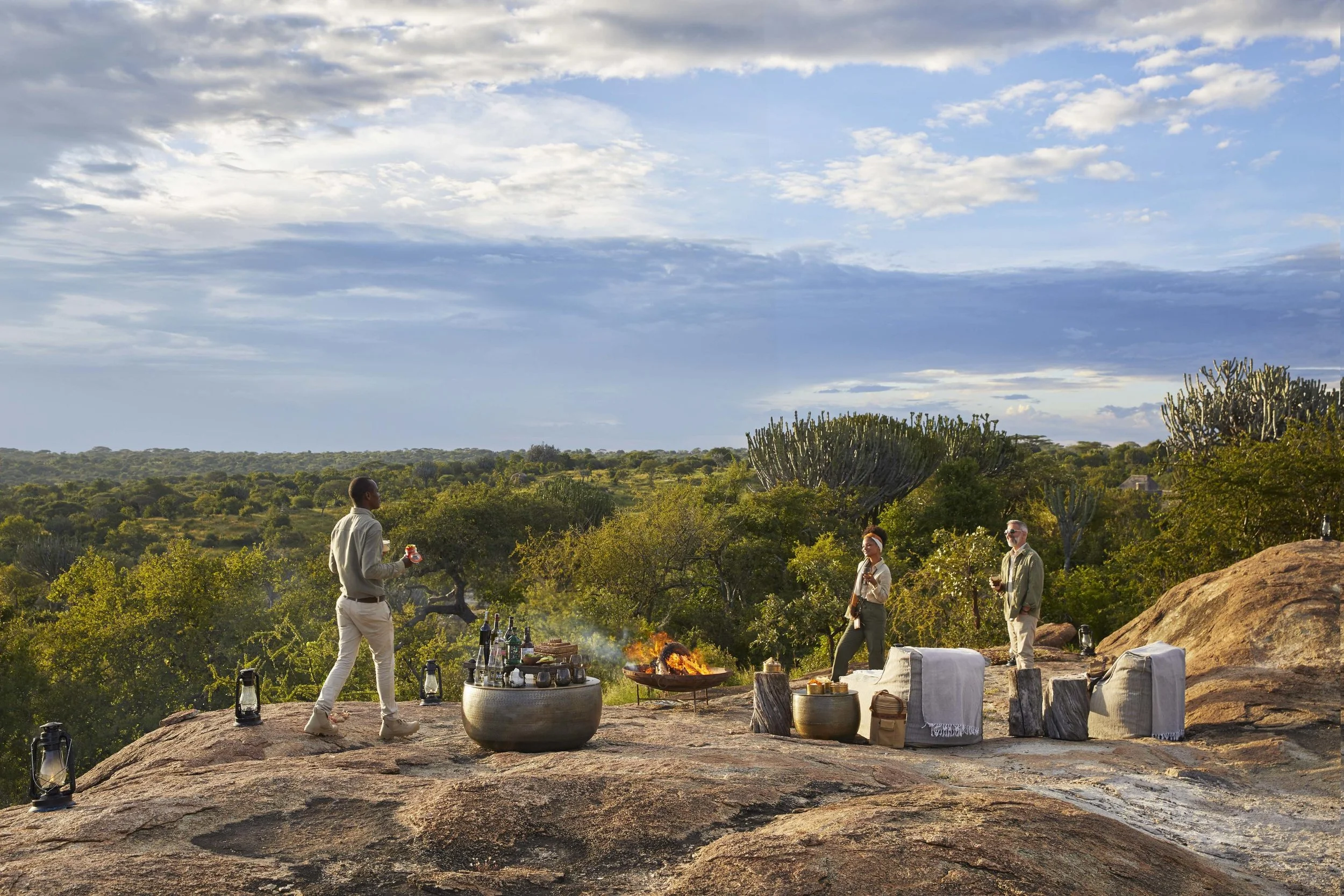
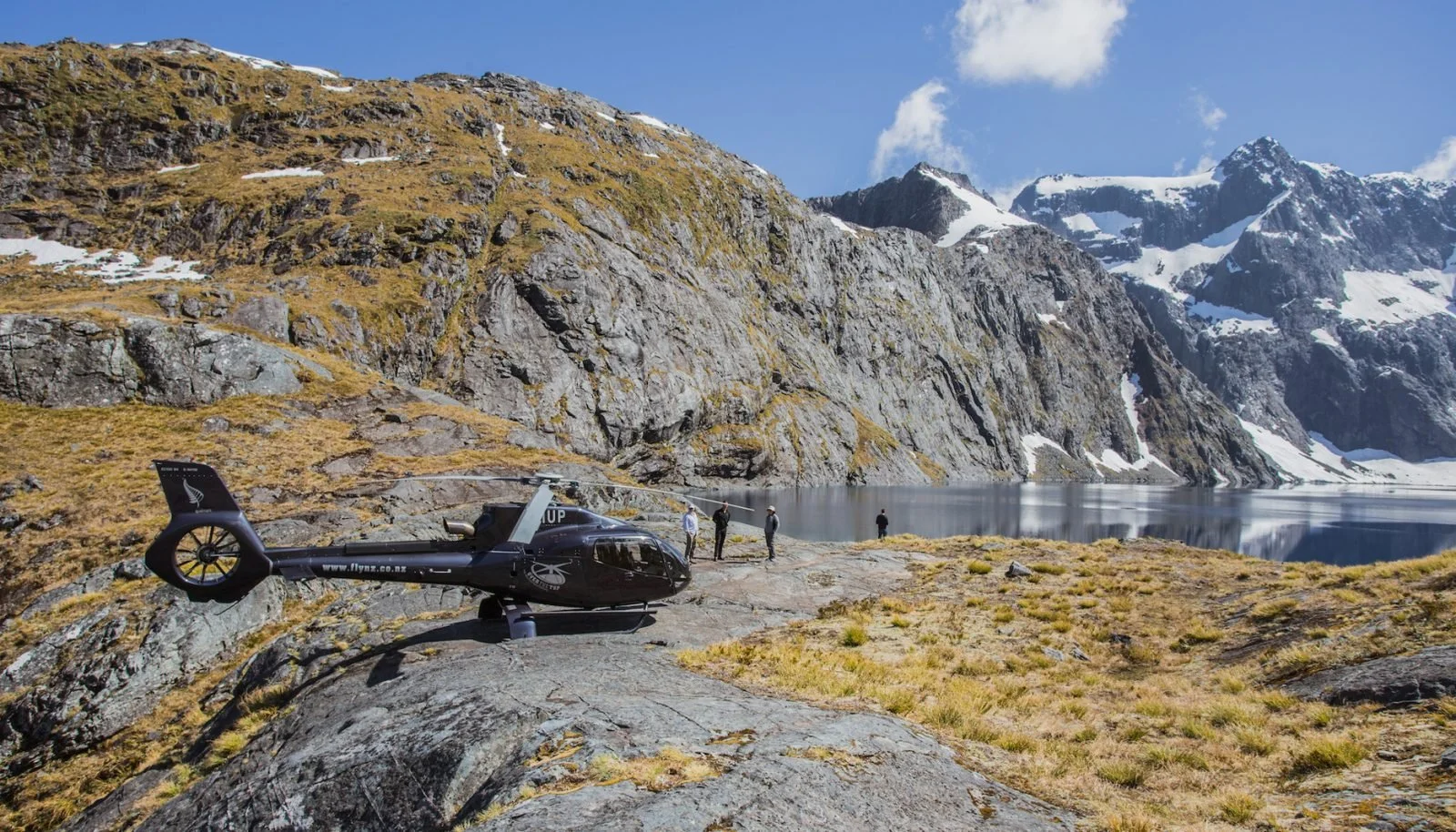
You might find yourself in New Zealand, where the outdoors becomes the centre of the experience in another way. Days could be built around beautiful golf courses, long lunches, wellness and extraordinary landscapes, with enough space between everything to actually enjoy where you are.
One morning you may be playing golf with mountains rising beyond the fairway. A few days later, you could be beneath Aoraki / Mount Cook, walking through alpine country or heading onto the ice for a glacier experience. Further south, the journey might take you onto the water, kayaking through the fiords beneath immense cliffs and waterfalls, where the silence feels every bit as powerful as a morning in the African bush.
The animals may no longer be the centre of the journey, but the feeling is remarkably similar… Space. Nature. Time. Curiosity. The privilege of being somewhere extraordinary without needing to rush through it.

Perhaps that is what experienced travel eventually becomes. You stop choosing places simply because they are famous or because someone told you they should be on your list. You begin choosing journeys that suit who you are.
Maybe that means returning to Africa for the sixth time.
Maybe it means tracking tigers in India.
Maybe it means golf, mountains, glaciers and fjords in New Zealand.
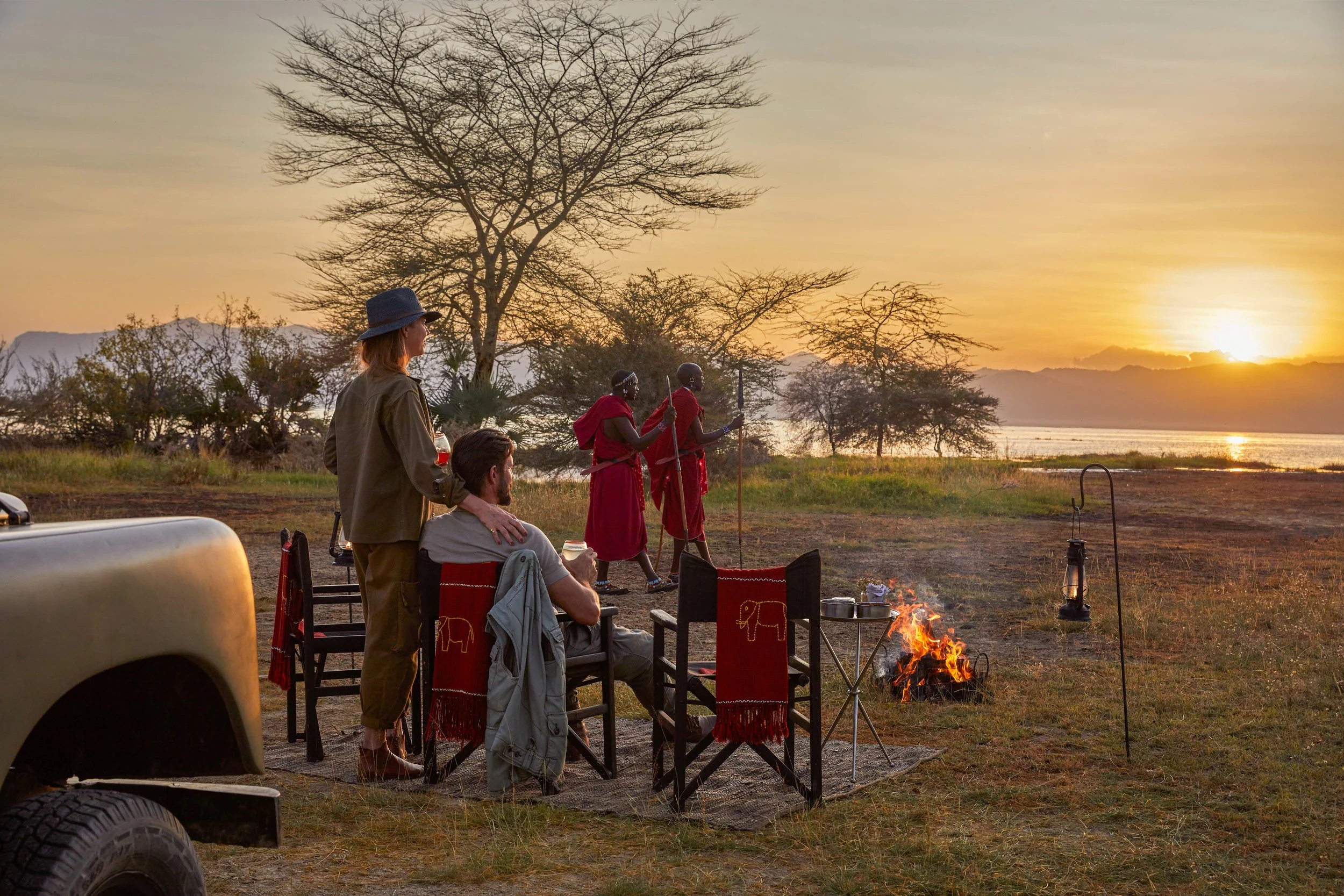
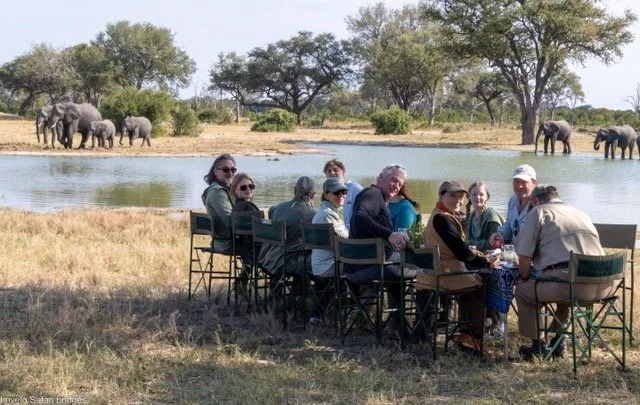
The destination changes, but the instinct behind the journey remains the same. You are no longer travelling simply to see somewhere new. You are travelling because you have learned what makes you feel most alive when you get there.
And perhaps that is the real evolution.
The first journeys are often about the places. The later ones become much more about you.
Begin Your Journey with Us…
The Banovich Collection
John’s paintings invite us to look beyond the first impression. In Land of Elephants, the herd is magnificent from a distance. Look closer and you begin to notice the matriarch’s vigilance and the calves sheltered among the adults. It is the same shift that happens when we return to the wild: we begin to see relationships, behaviour and detail.
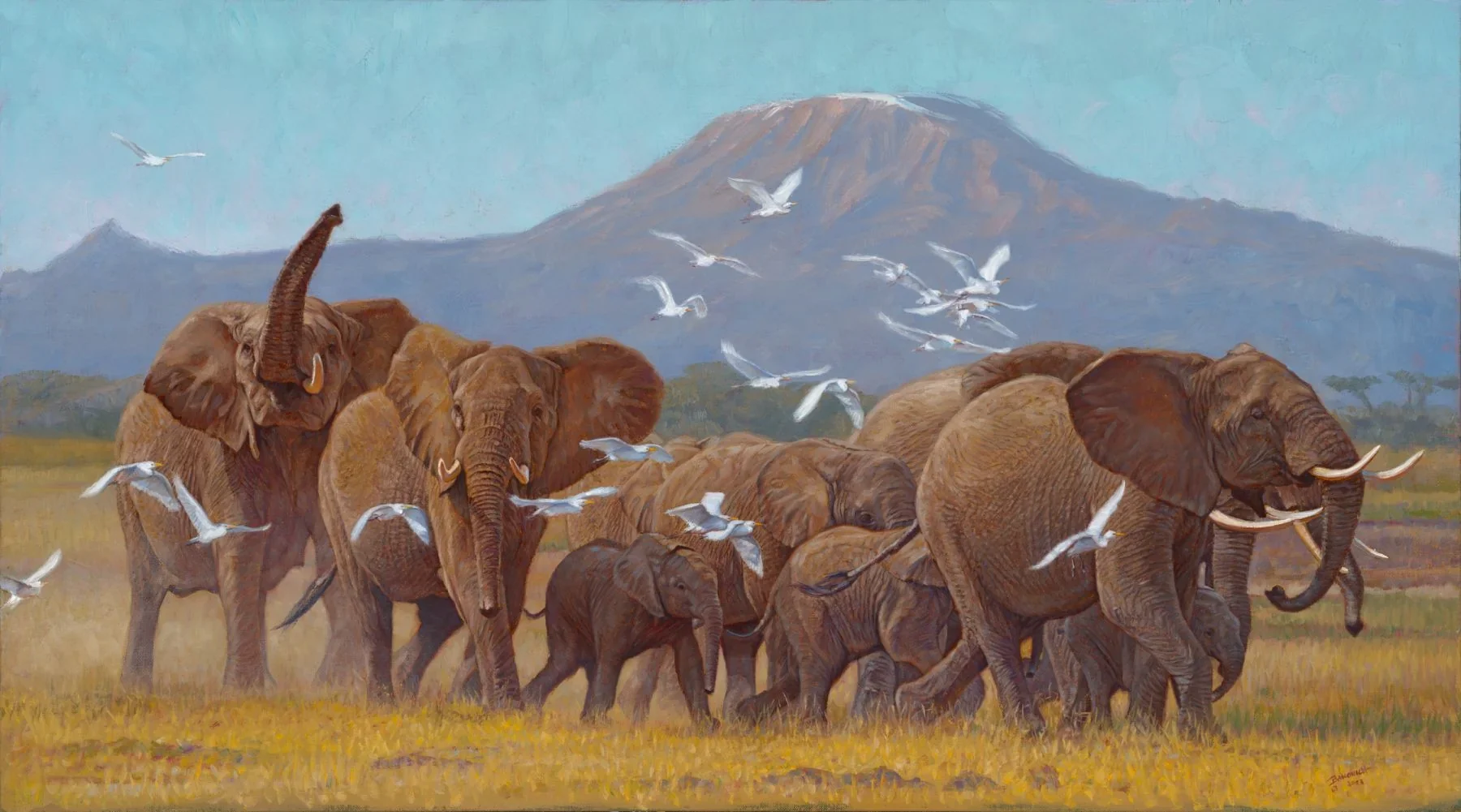
John Banovich - Land of Elephants, Limited Edition Giclée Canvas, Gallery Edition - 16" x 28"
John’s recommendation: On your next safari, stay a little longer in one place. Return to a landscape you think you know, or give your guide the freedom to follow a story that unfolds slowly. Watch the same elephant family over several days. Notice how the light, the season and your own perspective change what you see. That is often when a place begins to reveal itself.
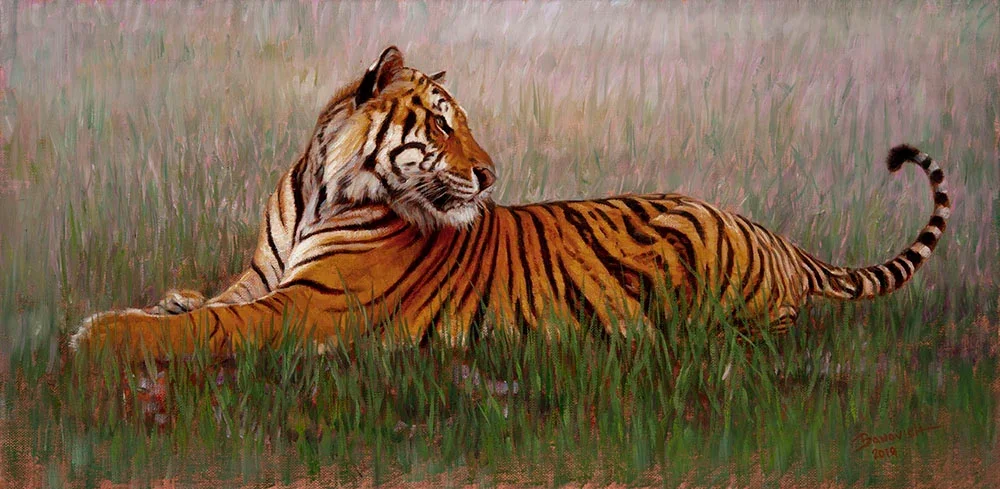
John Banovich - Bengal Repose, Limited Edition Giclée Canvas, Zawadi Edition - 10" x 20"
Conservation Corner
Returning to a wilderness gives us a chance to see how it changes. Floodwaters rise and recede. Animals move with the seasons. A familiar landscape can tell a different story each time we visit.
That deeper connection can change how we travel, too. We begin asking what protects the places we love, who cares for them and how our journeys can support their future.
The more closely we come to know a place, the more reason we have to help keep it wild.
Photo Credits: Thank you to all our travel partners - Singita, Auberge, Southern Crossings, Machaba, Wild Expeditions.
