
Beyond the Big Five
The animals you never expected to fall in love with - and why they may become the highlight of your African safari.
For generations, the Big Five have captured the imagination of travellers dreaming of Africa. Lion. Leopard. Elephant. Rhino. Buffalo.
They have become the symbols of safari, icons recognised around the world and, for many visitors, the ultimate goal of an African journey. Seeing any one of them in the wild is a privilege. Encountering all five is an experience many hope to achieve. But here is something we rarely tell first-time guests... By the time your safari comes to an end, there is a very good chance that your favourite wildlife sighting won't have been one of the Big Five at all.
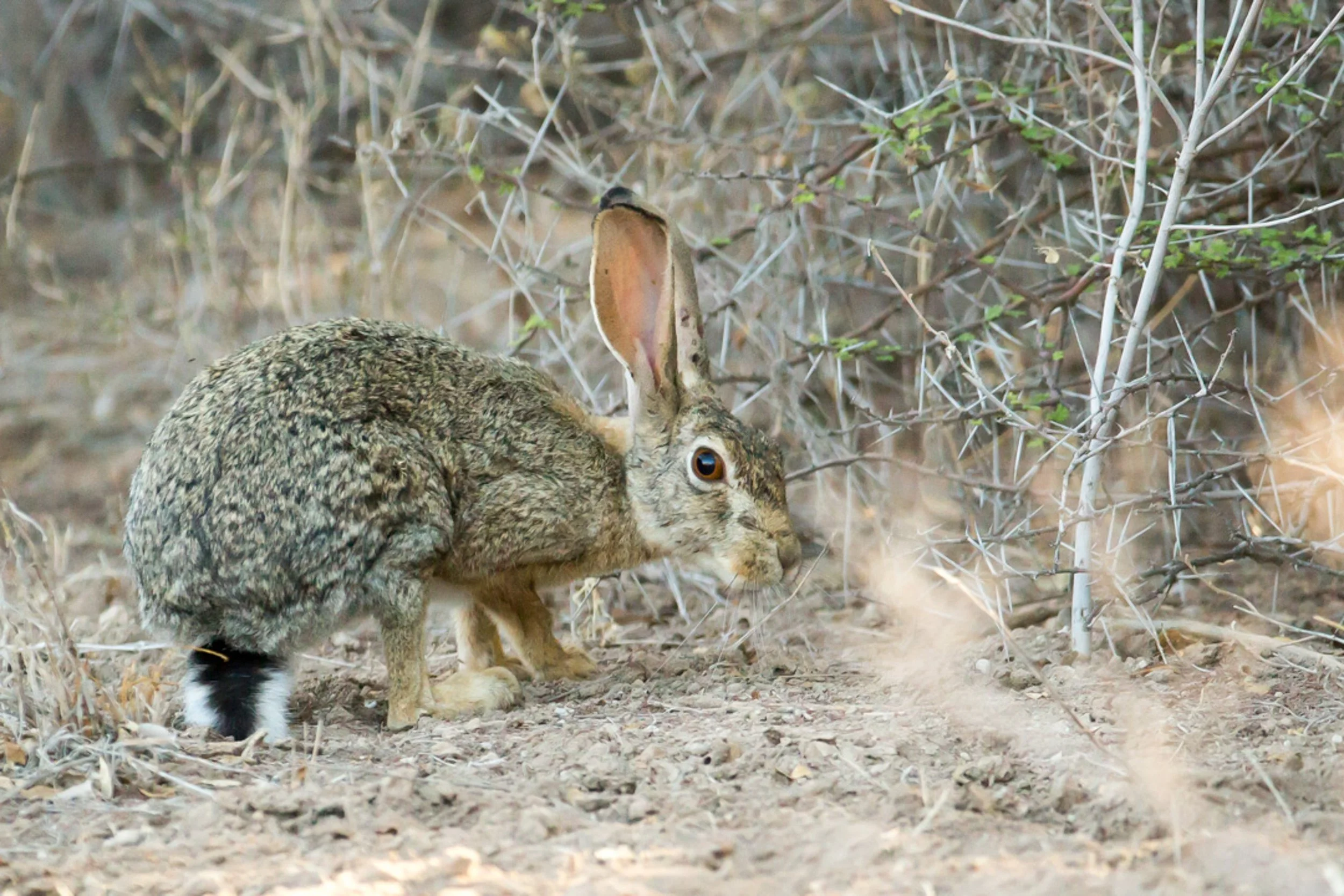
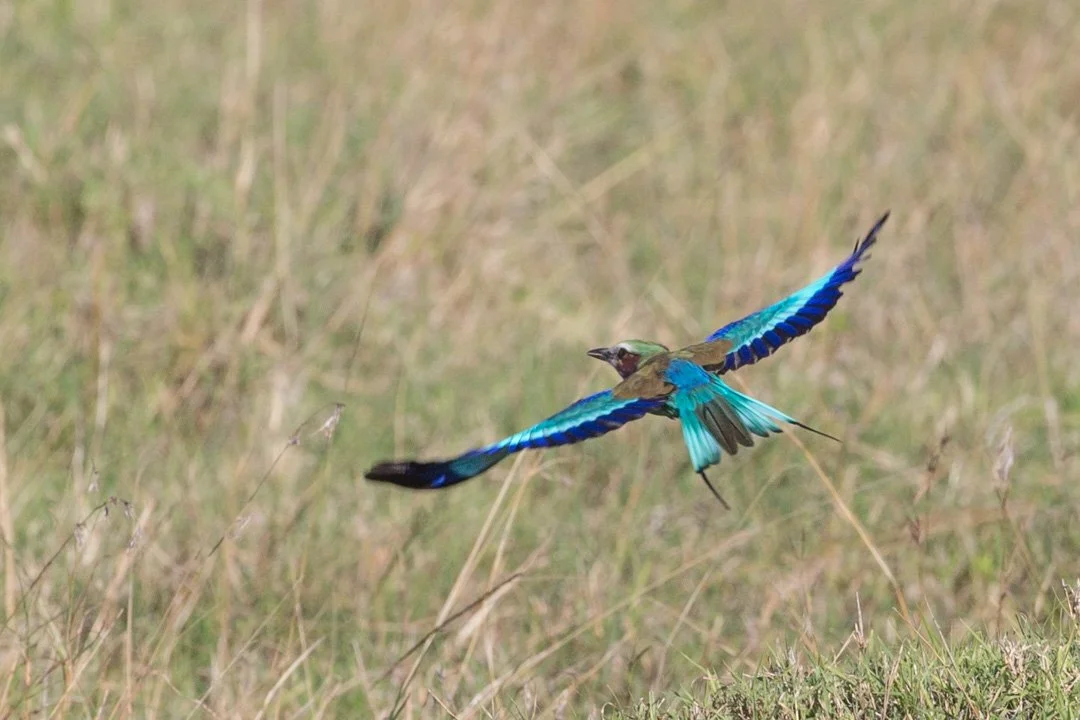
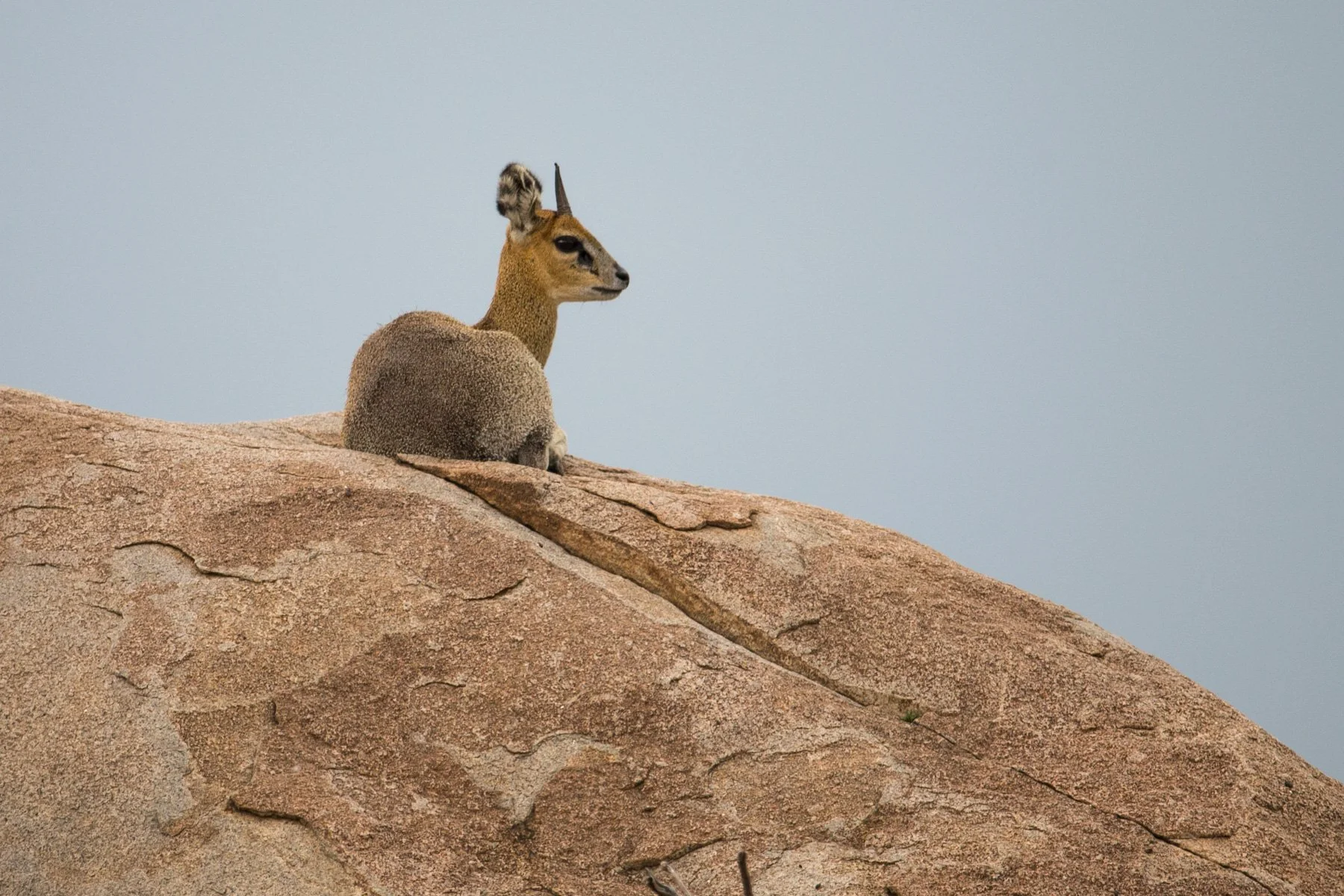
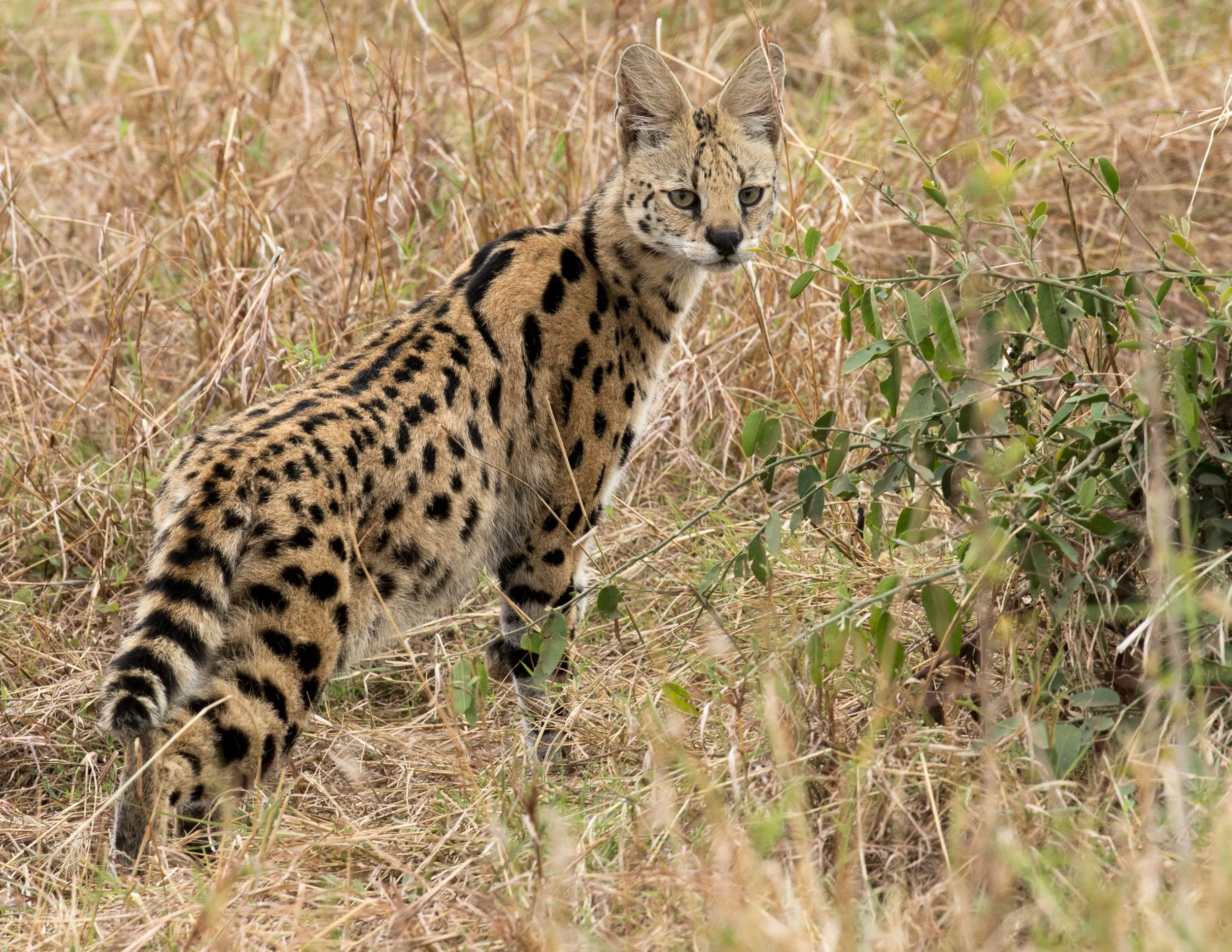
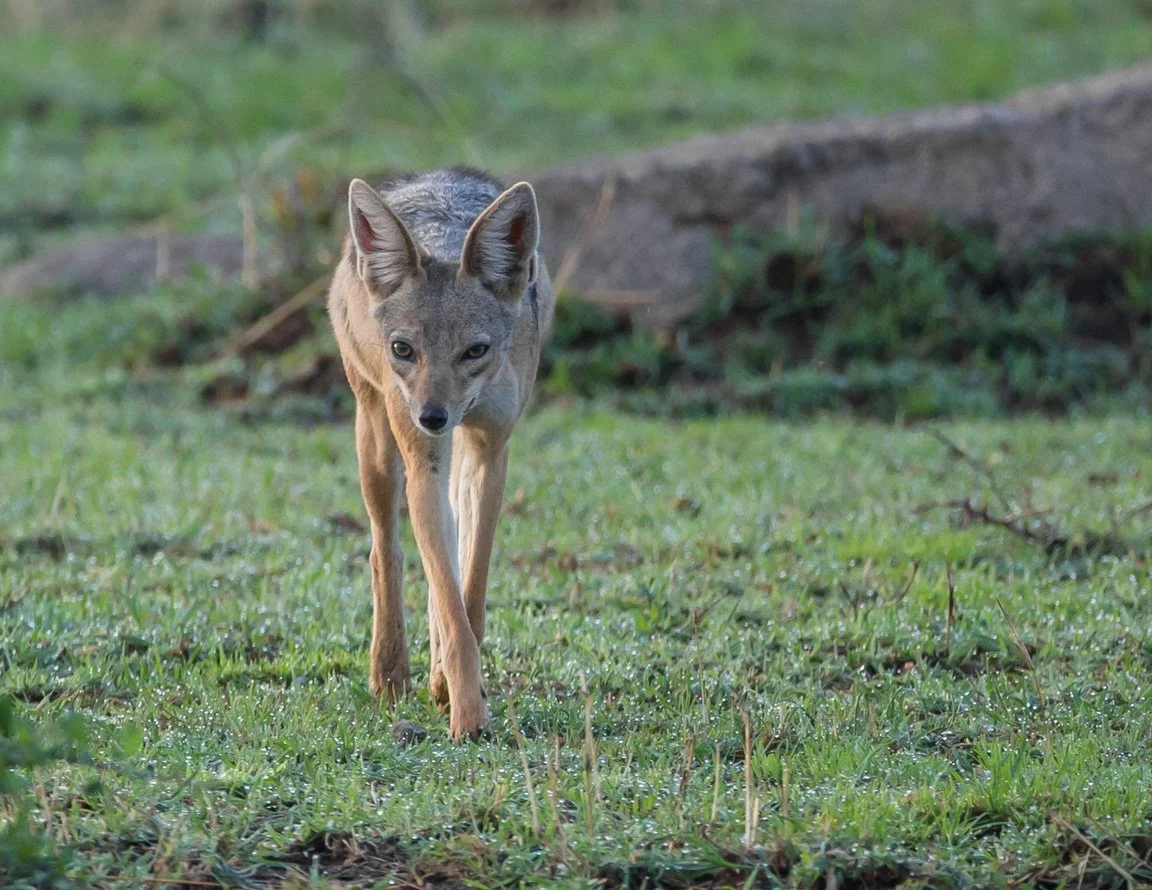
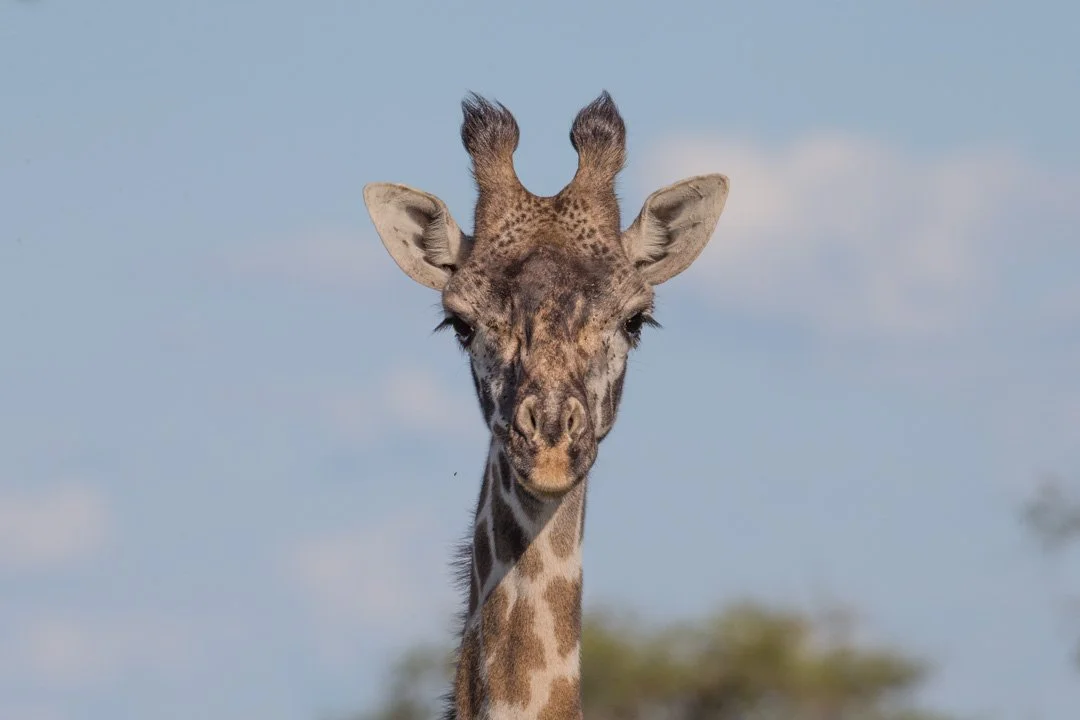
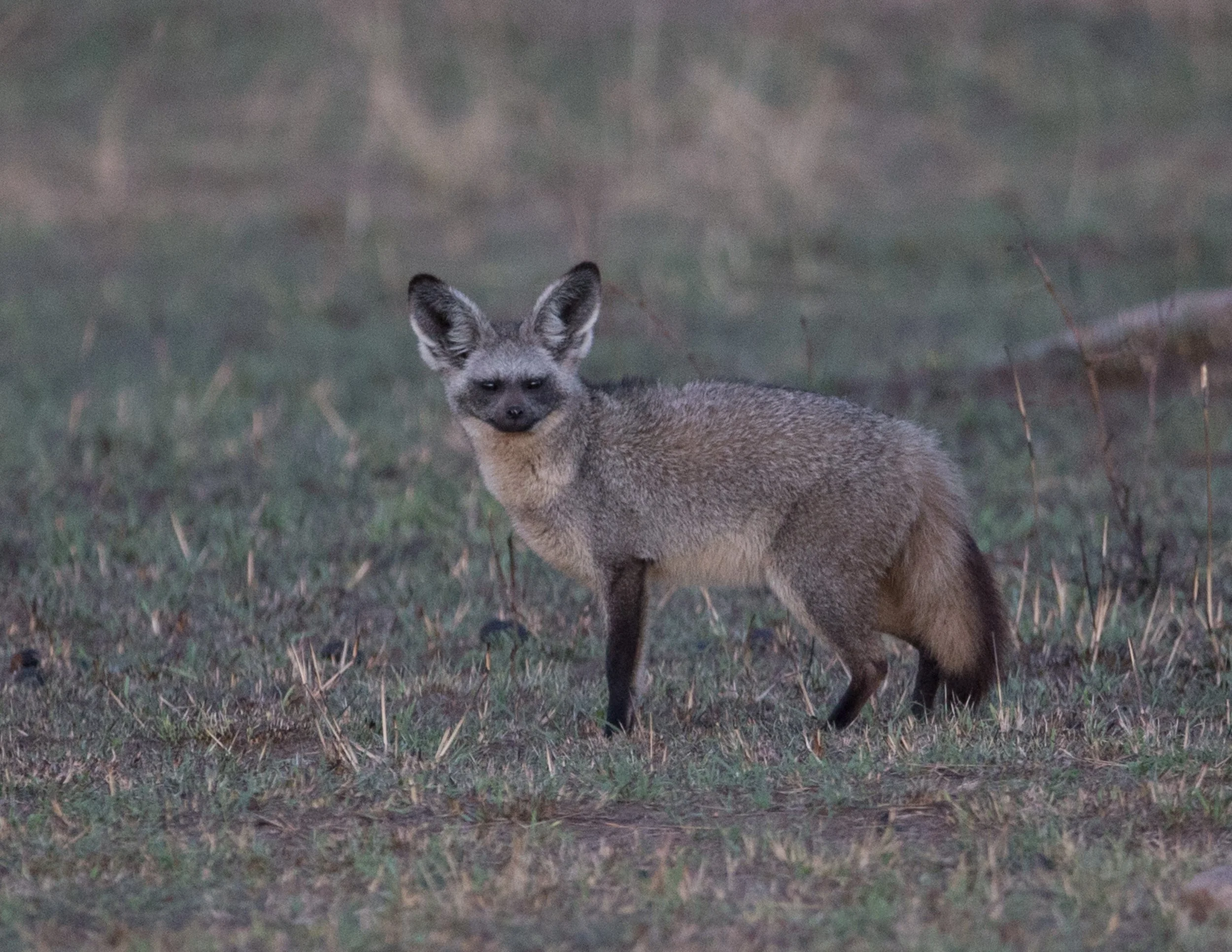
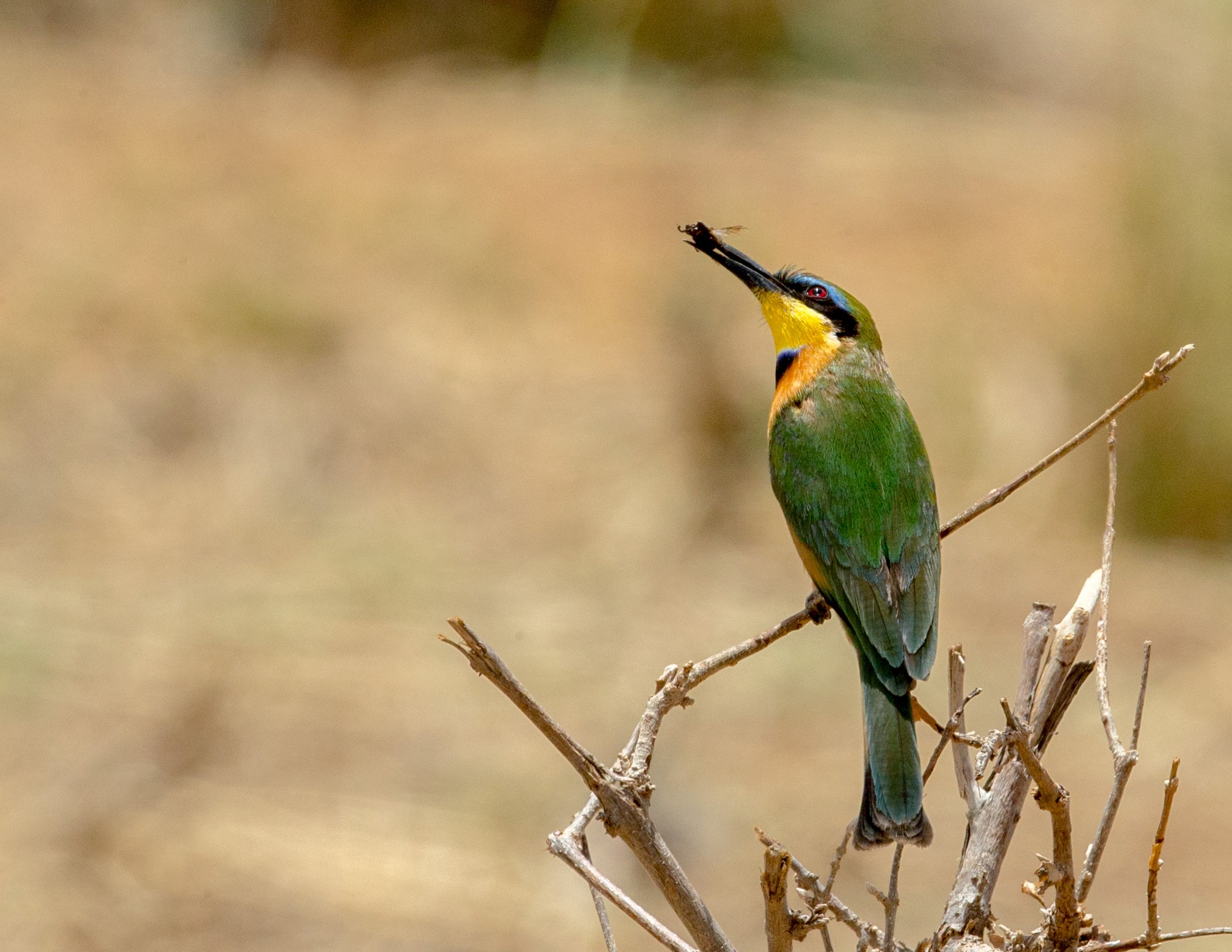
It may have been a pack of African wild dogs racing through the bush with infectious energy, communicating with one another through movements almost too subtle for the human eye to detect. It may have been a tiny pearl-spotted owlet peering curiously from the branch of an acacia tree, holding the attention of everyone in the vehicle despite its diminutive size. Perhaps it was a swirl of brilliant southern carmine bee-eaters dancing above a riverbank, or bat-eared fox darting across the tracks while every camera was still pointed in the opposite direction.

Africa has a remarkable way of rewarding those who slow down.
The longer you spend here, the less your safari becomes about checking animals off a list and the more it becomes about discovering the extraordinary stories unfolding all around you. Gradually, almost without noticing, you stop asking, "What haven't we seen?" and begin asking, "What is happening here?"
That subtle shift changes everything.
One of the greatest misconceptions about safari is that it is simply about finding animals. In reality, it is about learning to notice. The finest guides don't just point towards wildlife. They reveal relationships. They explain why an oxpecker chooses to ride on the back of a buffalo, how termites construct vast cities that can outlive generations of people, why elephants return to particular trees year after year, why the haunting call of an African fish eagle has become synonymous with sunrise, or how a leopard can dissolve into long grass while apparently standing in full view.
Once you begin understanding these connections, every drive becomes richer.
Suddenly nothing is "just a bird." Nothing is "just another antelope." Every species has a role. Every sound carries meaning. Every movement becomes part of a much larger story that has been unfolding for thousands of years. This is the moment when Africa truly begins to reveal itself.
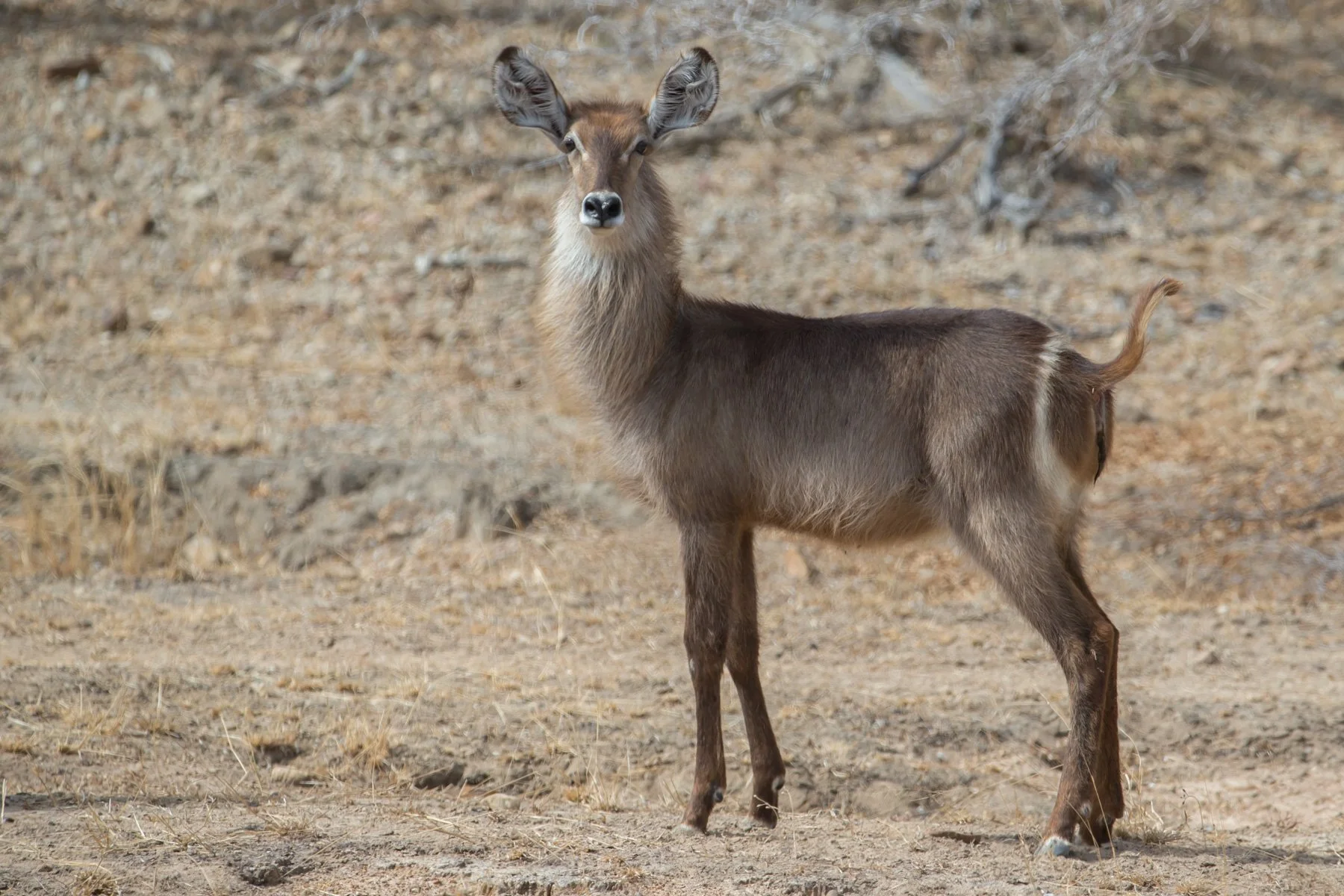
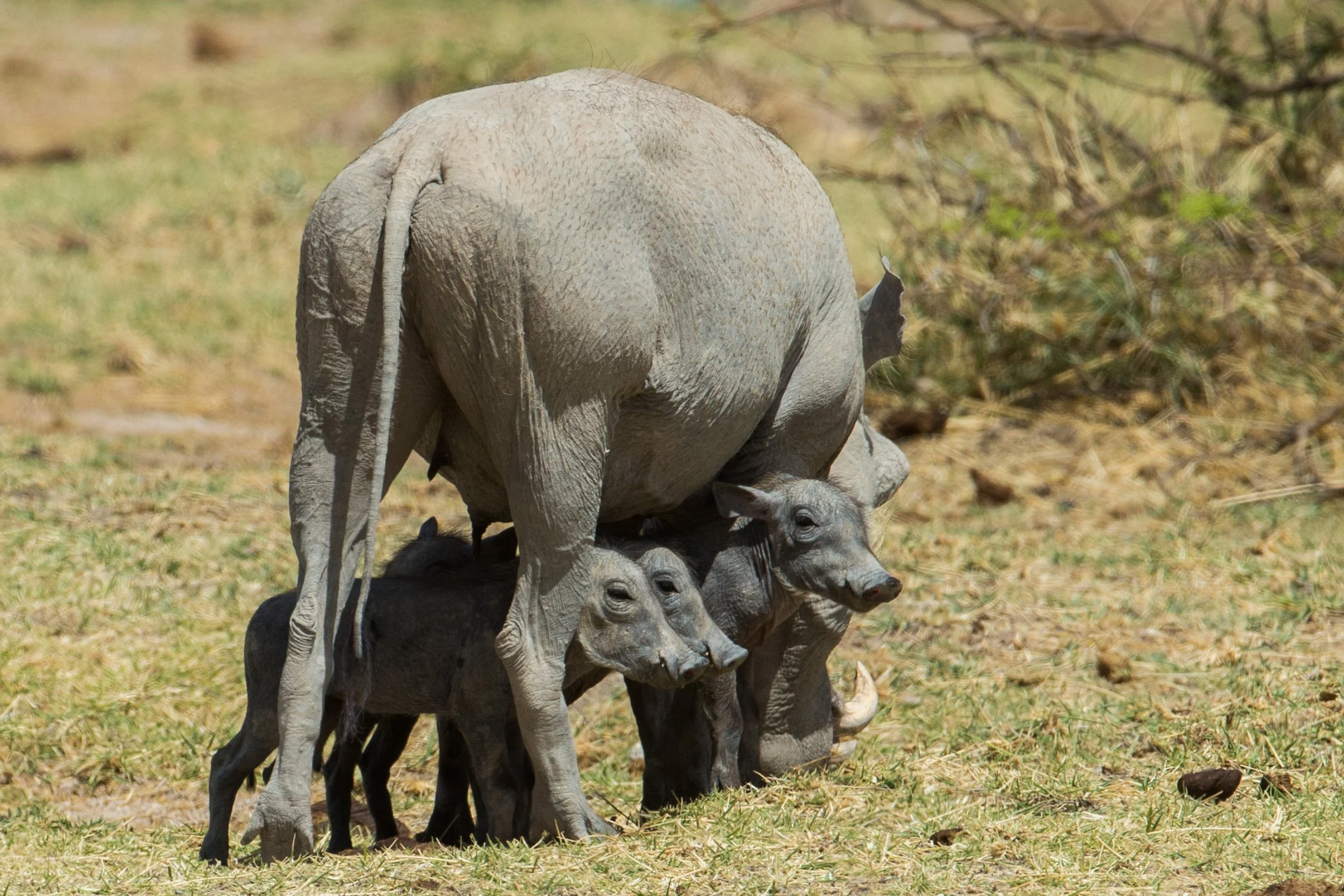
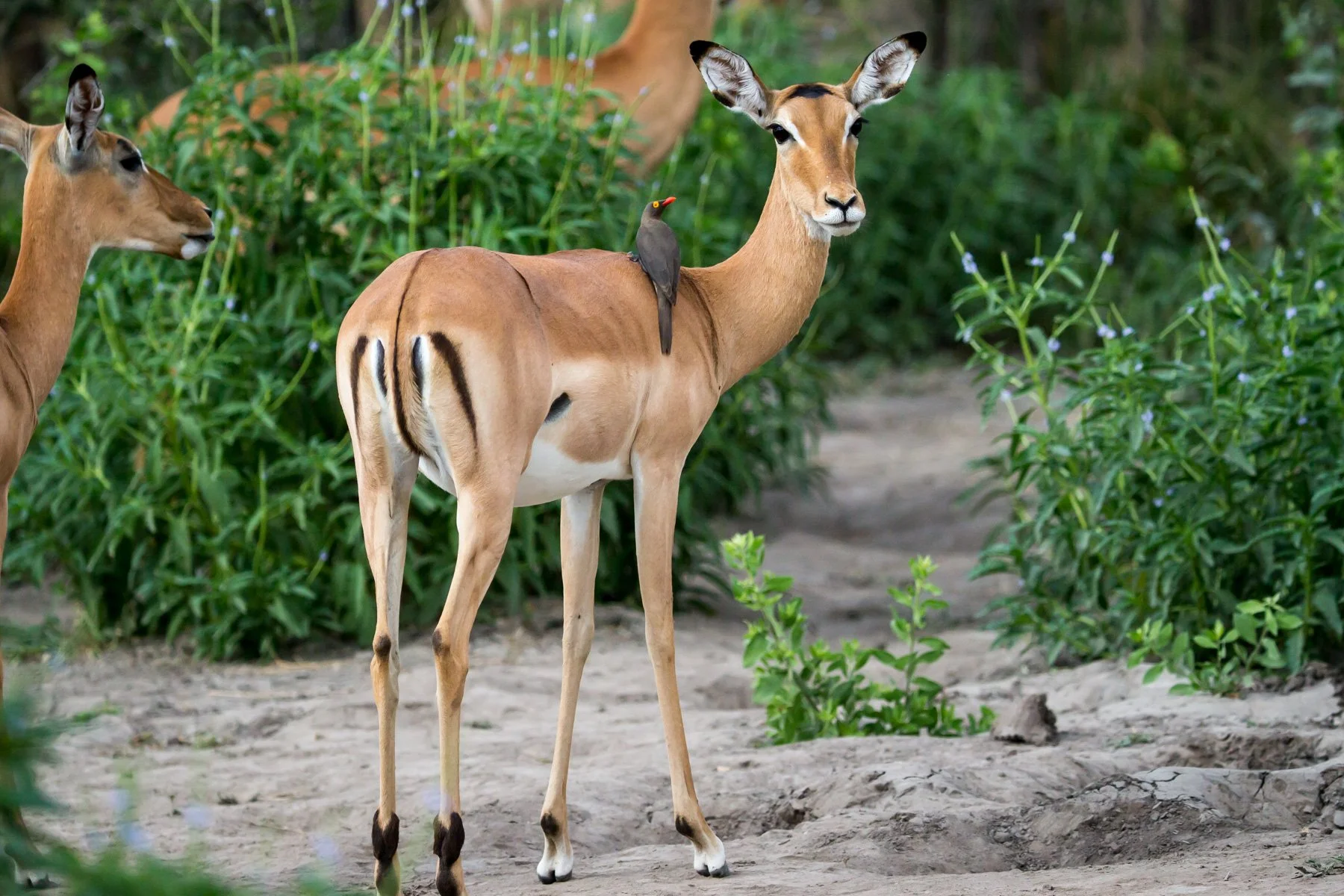
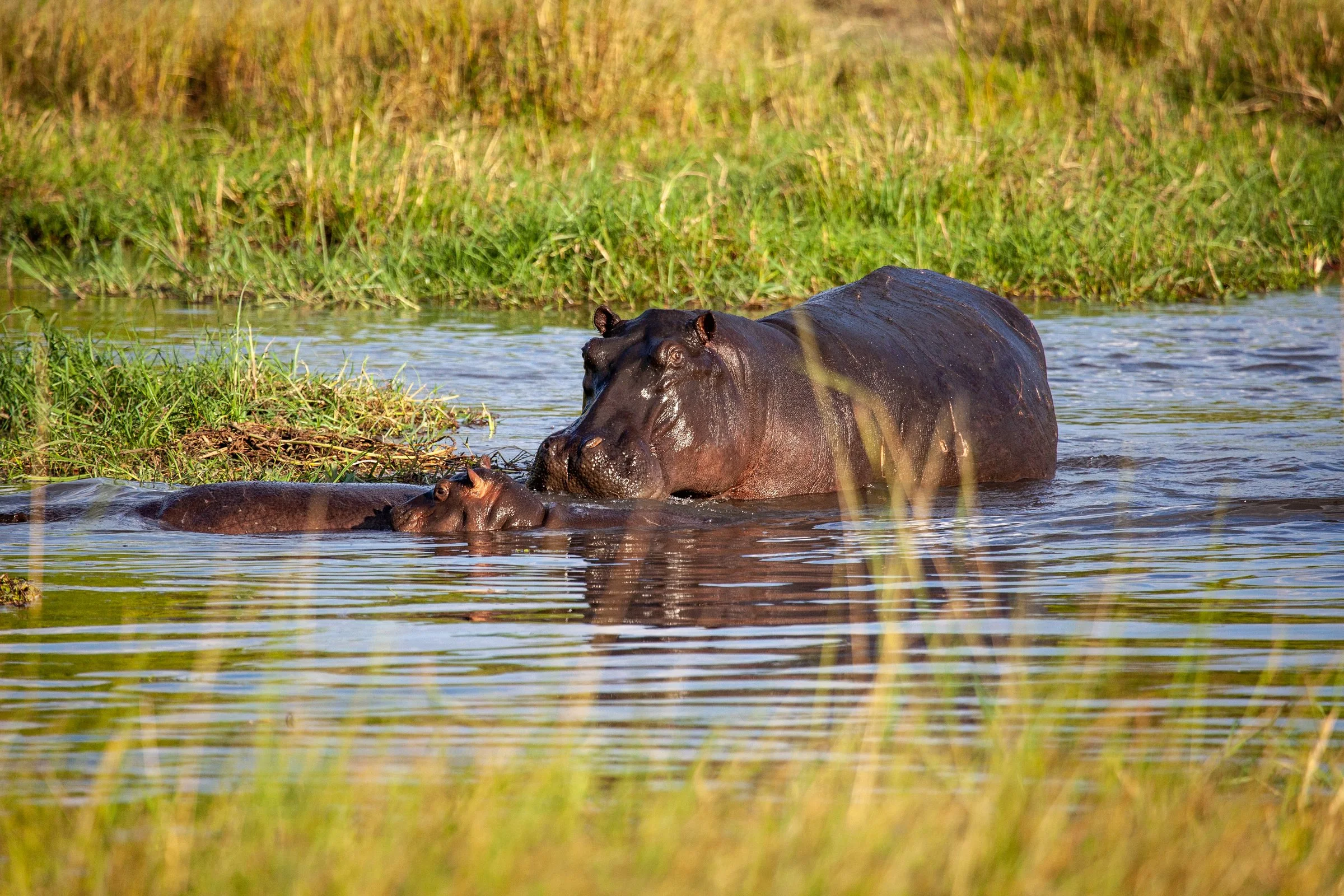
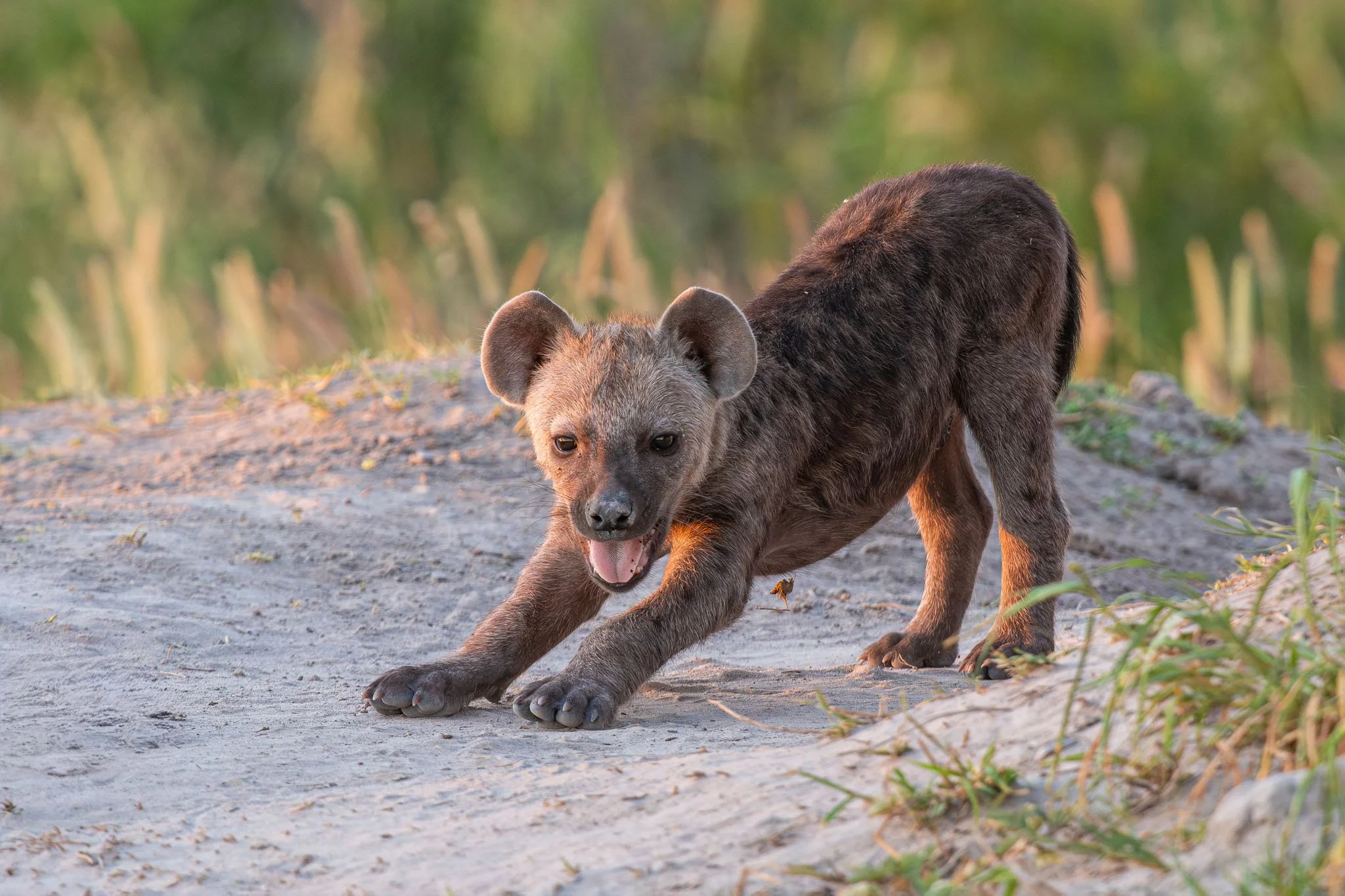
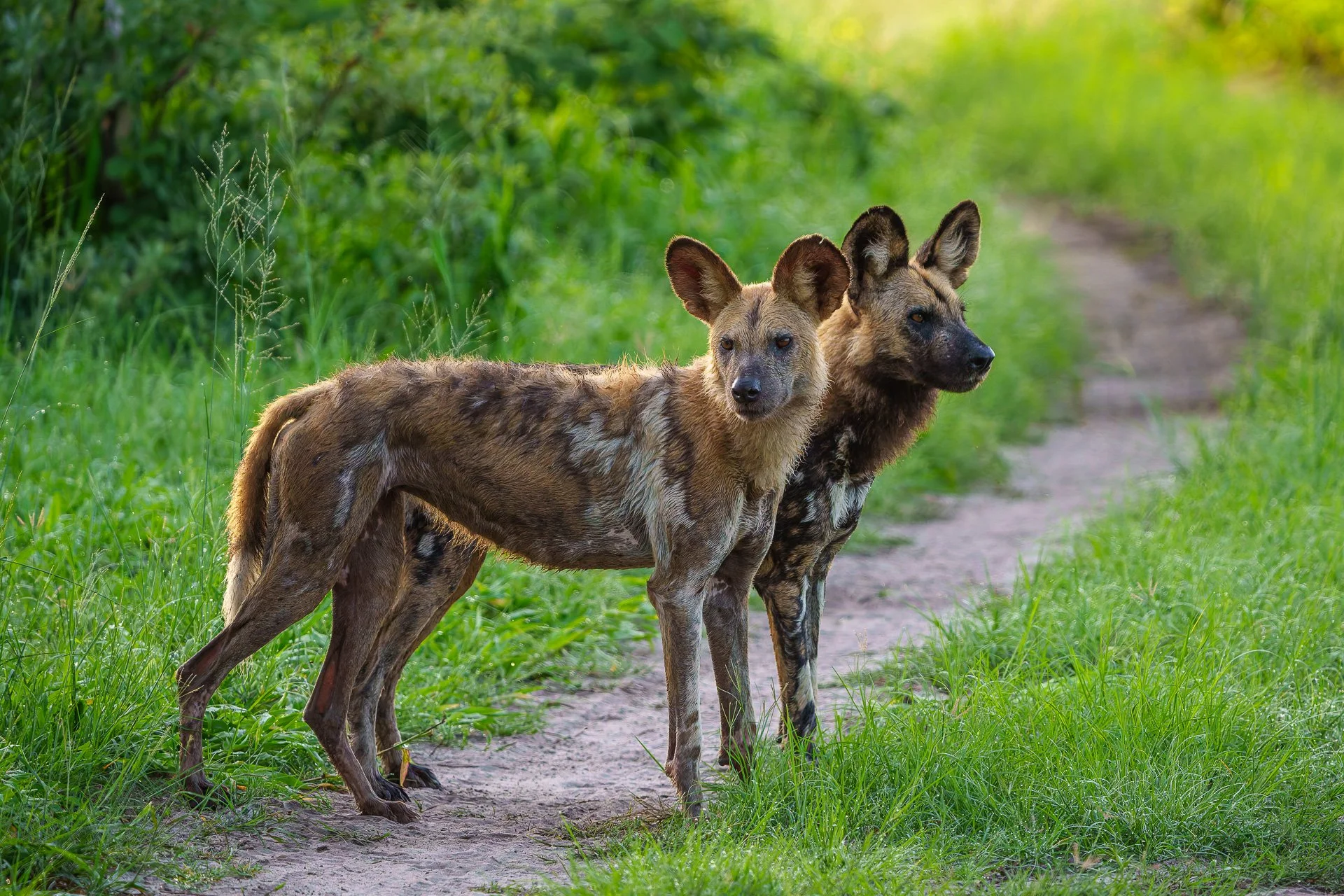
Few animals illustrate this better than the African wild dog.
Among professional guides, painted wolves - as they are increasingly and more accurately known - are often spoken about with a mixture of admiration and affection. They are among Africa's rarest predators, yet also among its most successful hunters. Unlike many carnivores, their strength lies not in size or brute force but in extraordinary cooperation. Each member of the pack has a purpose.
They care for injured companions. They share food with remarkable generosity. They place the wellbeing of the group above the individual. Watching them hunt is witnessing teamwork refined over countless generations, built upon trust, communication and endurance rather than aggression.
Many experienced safari travellers will quietly tell you that a painted wolf sighting became the defining memory of their journey. Not because it was dramatic. Because it revealed something deeply familiar about loyalty, family and the quiet strength found in working together.

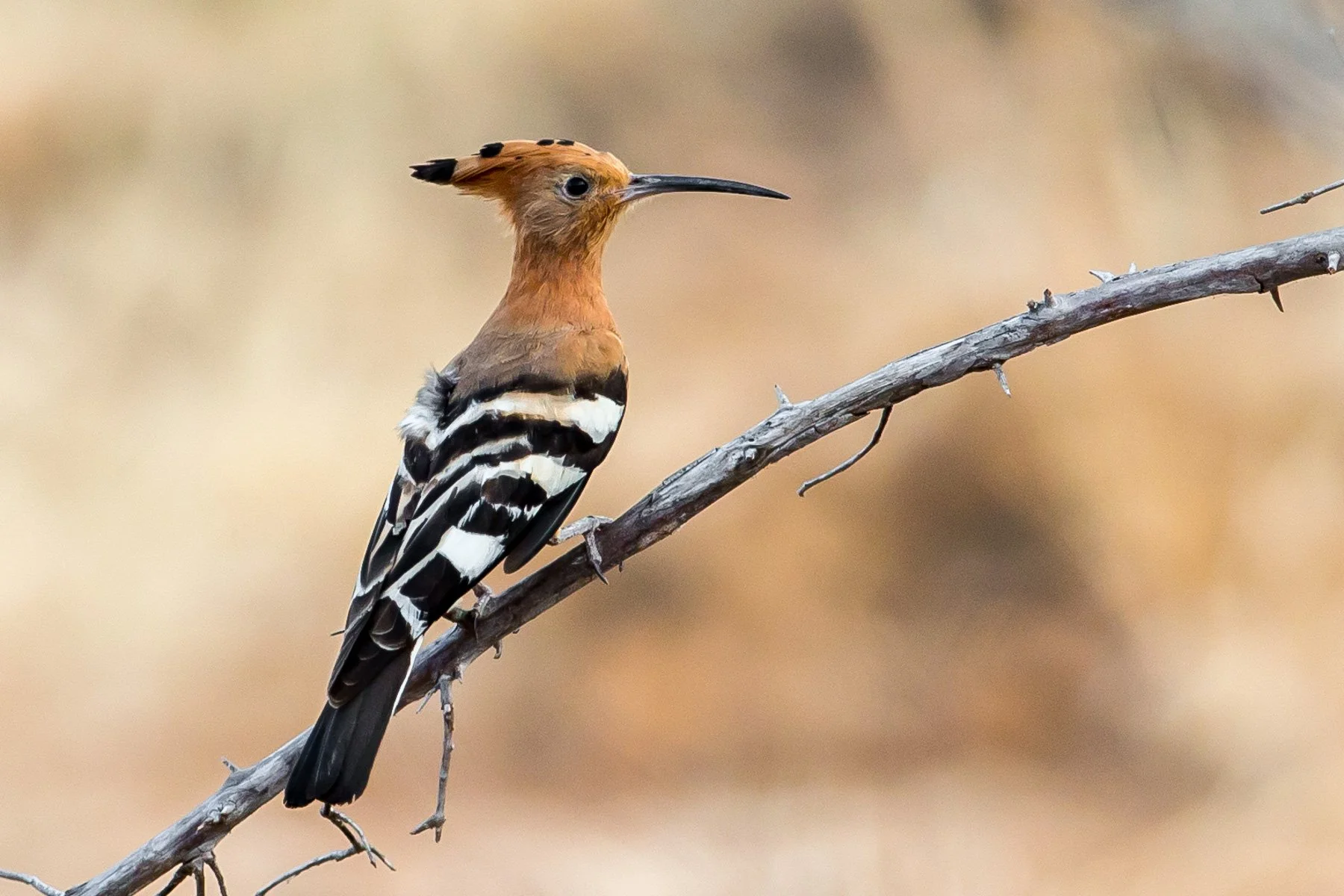
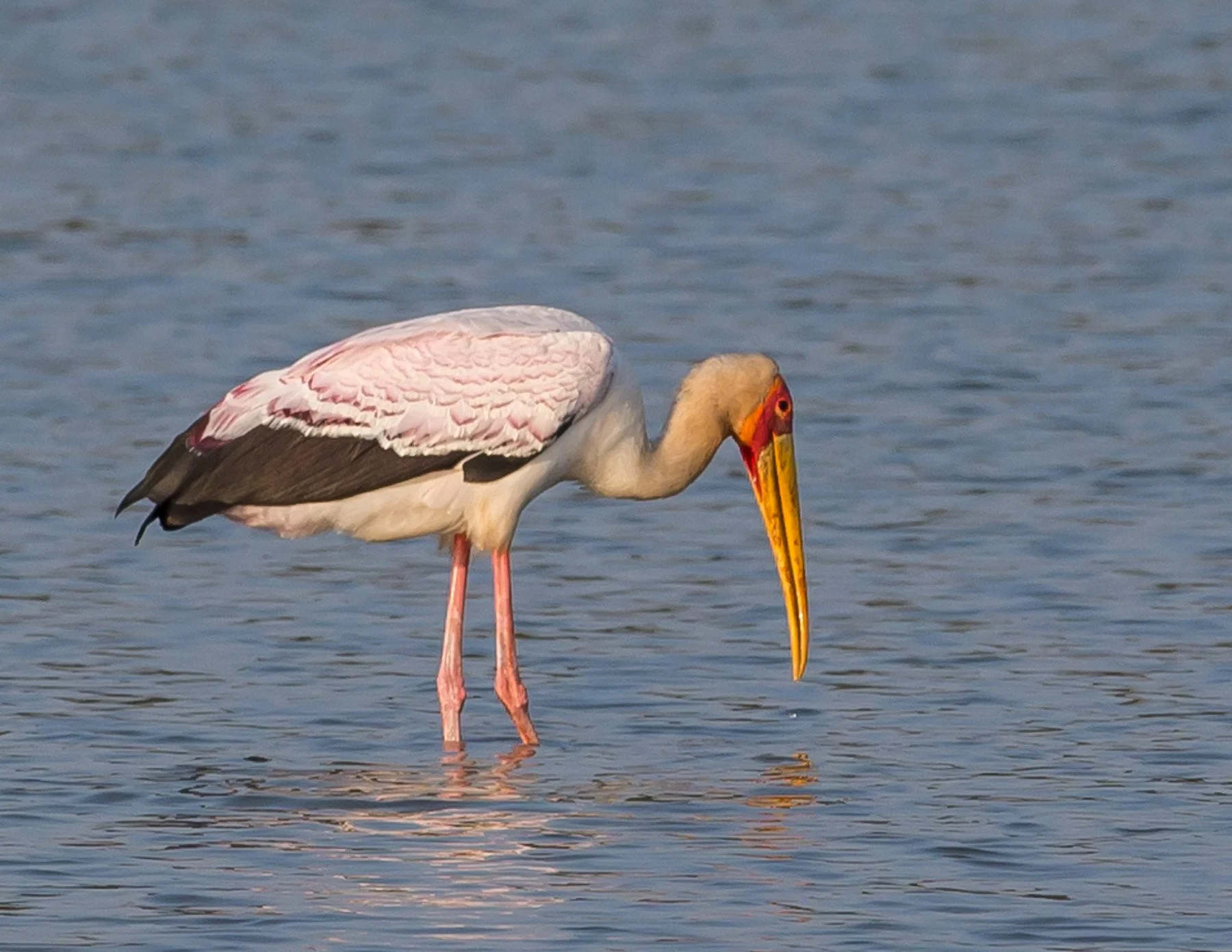
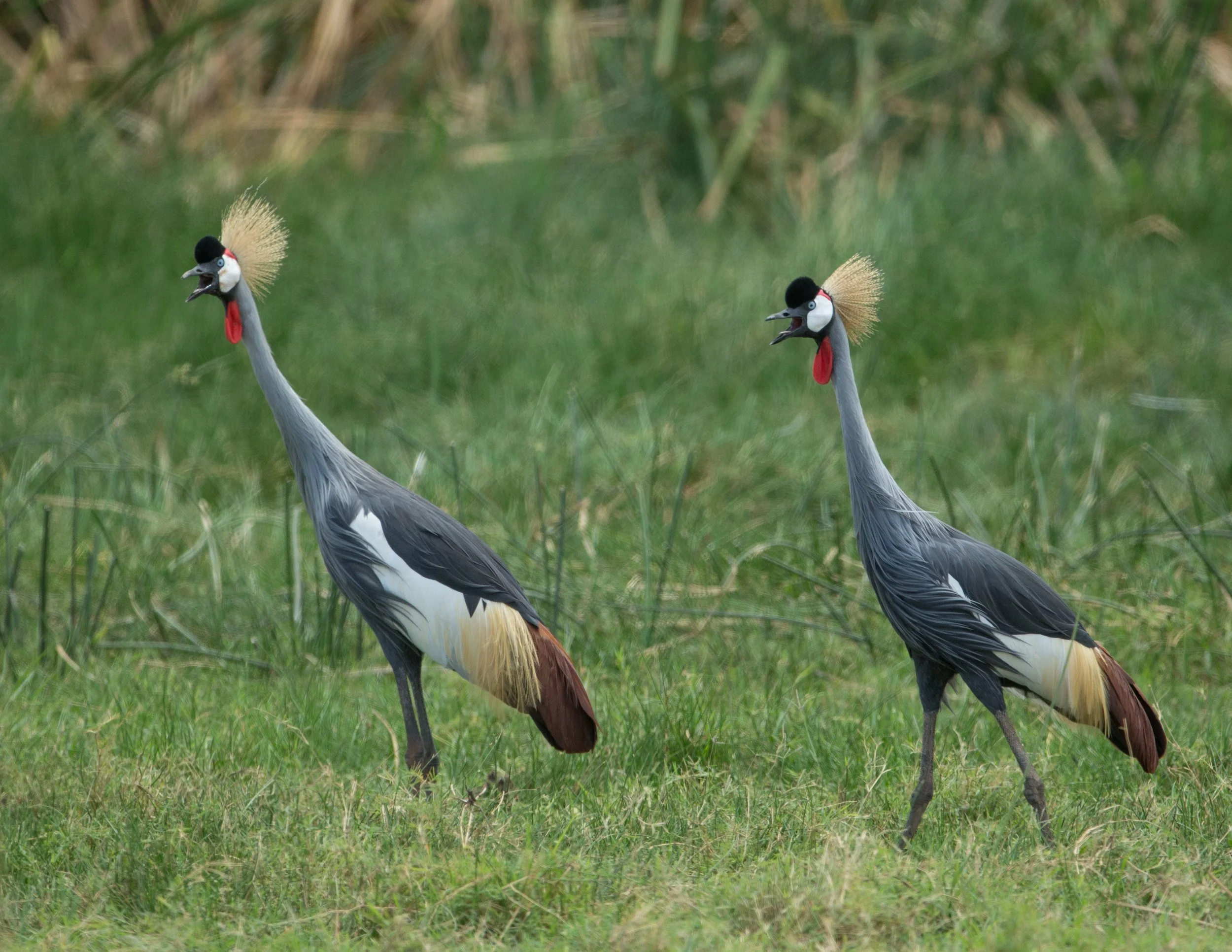
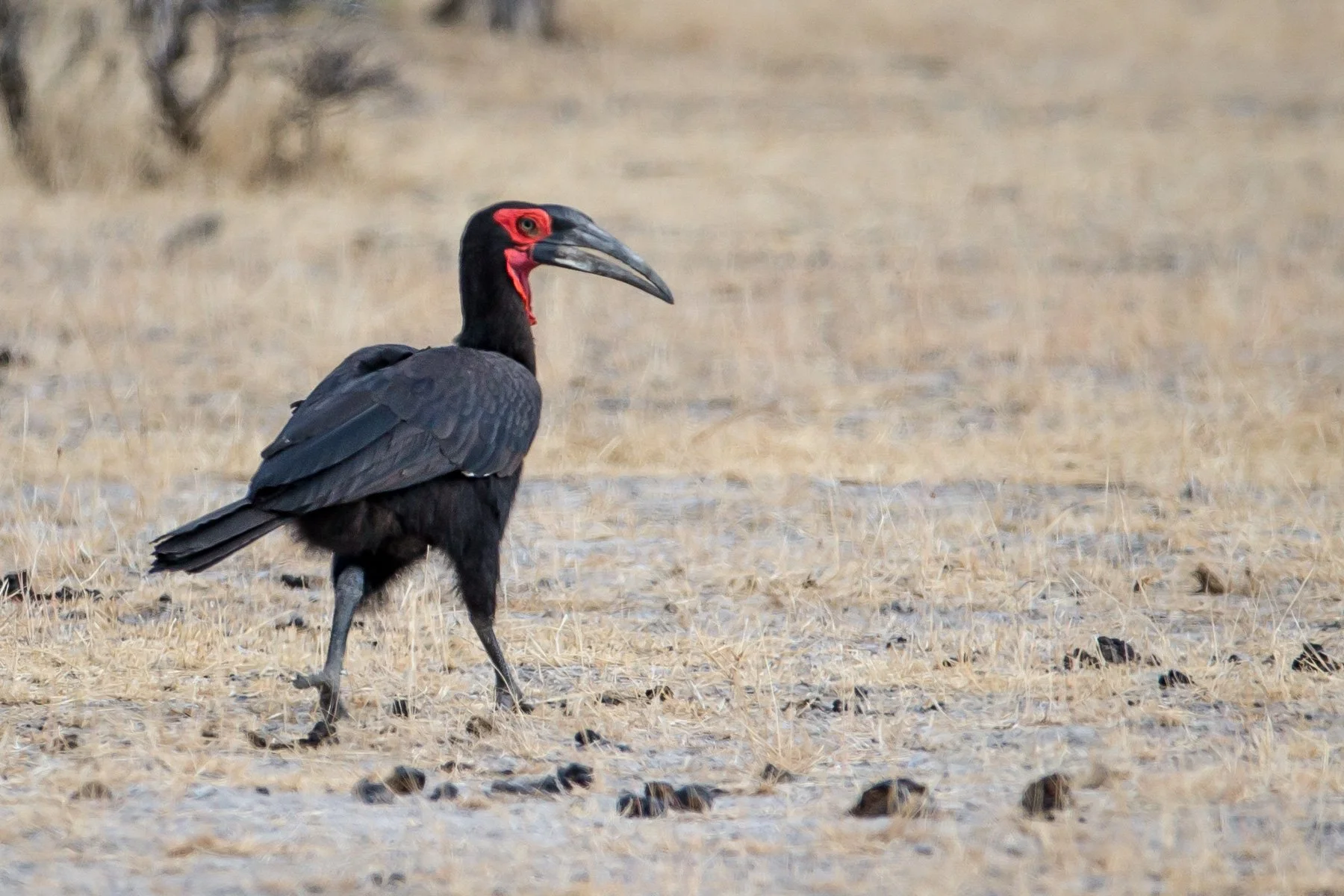
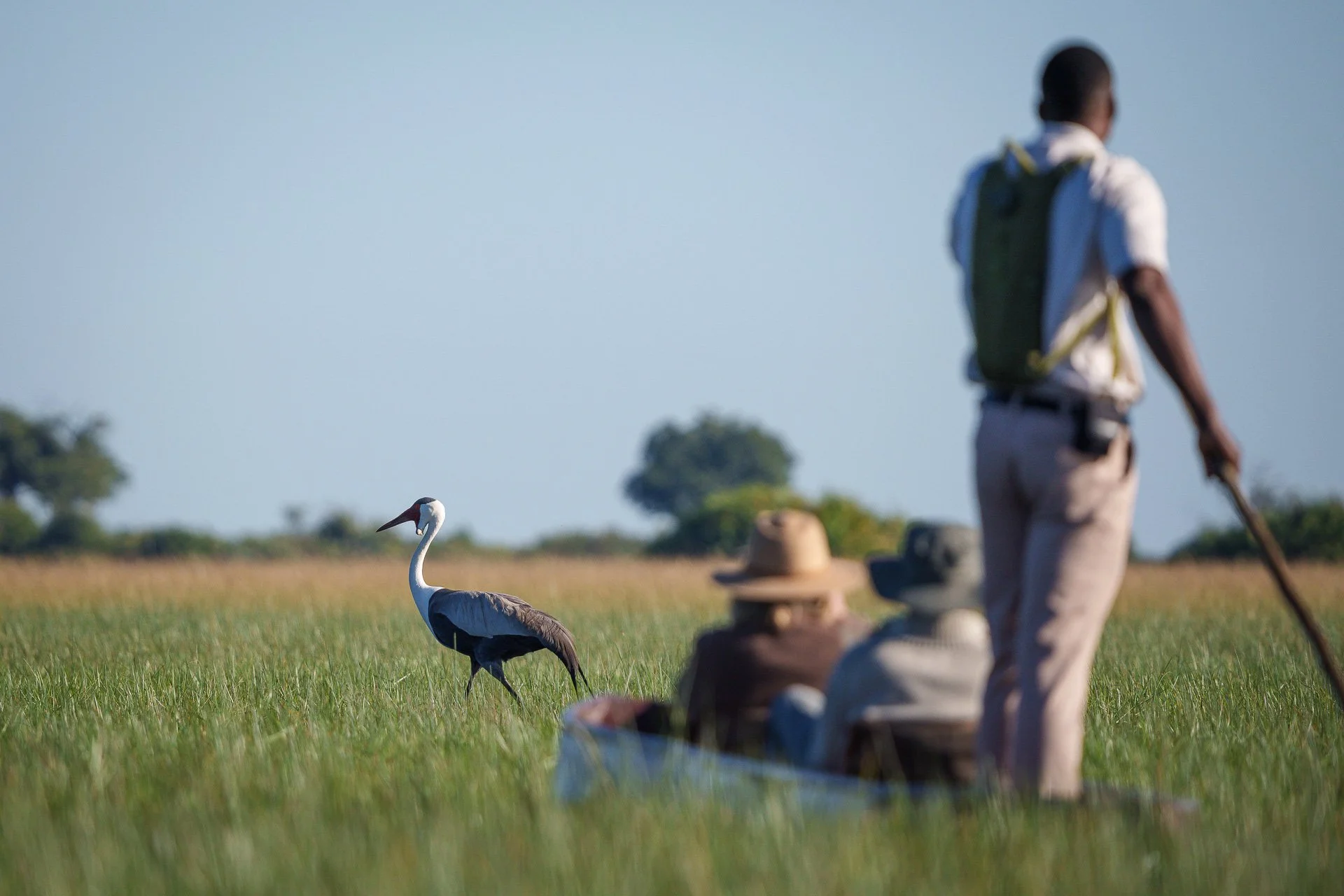
The same can be said for Africa's birds. Even guests who confidently announce, "I'm not really a bird person," often leave the continent unexpectedly captivated. How could they not? The impossible colours of a lilac-breasted roller seem almost too vibrant to be real. Southern carmine bee-eaters transform riverbanks into moving ribbons of crimson and turquoise. A martial eagle drifts effortlessly across an endless sky, while the unmistakable cry of the African fish eagle echoes over a river at dawn, becoming part of the soundtrack that accompanies every memory thereafter.
Birds are far more than beautiful additions to the landscape. They announce the beginning of each day. They warn of approaching predators. They reveal changing seasons. They fill the silence between larger wildlife encounters with music and movement.
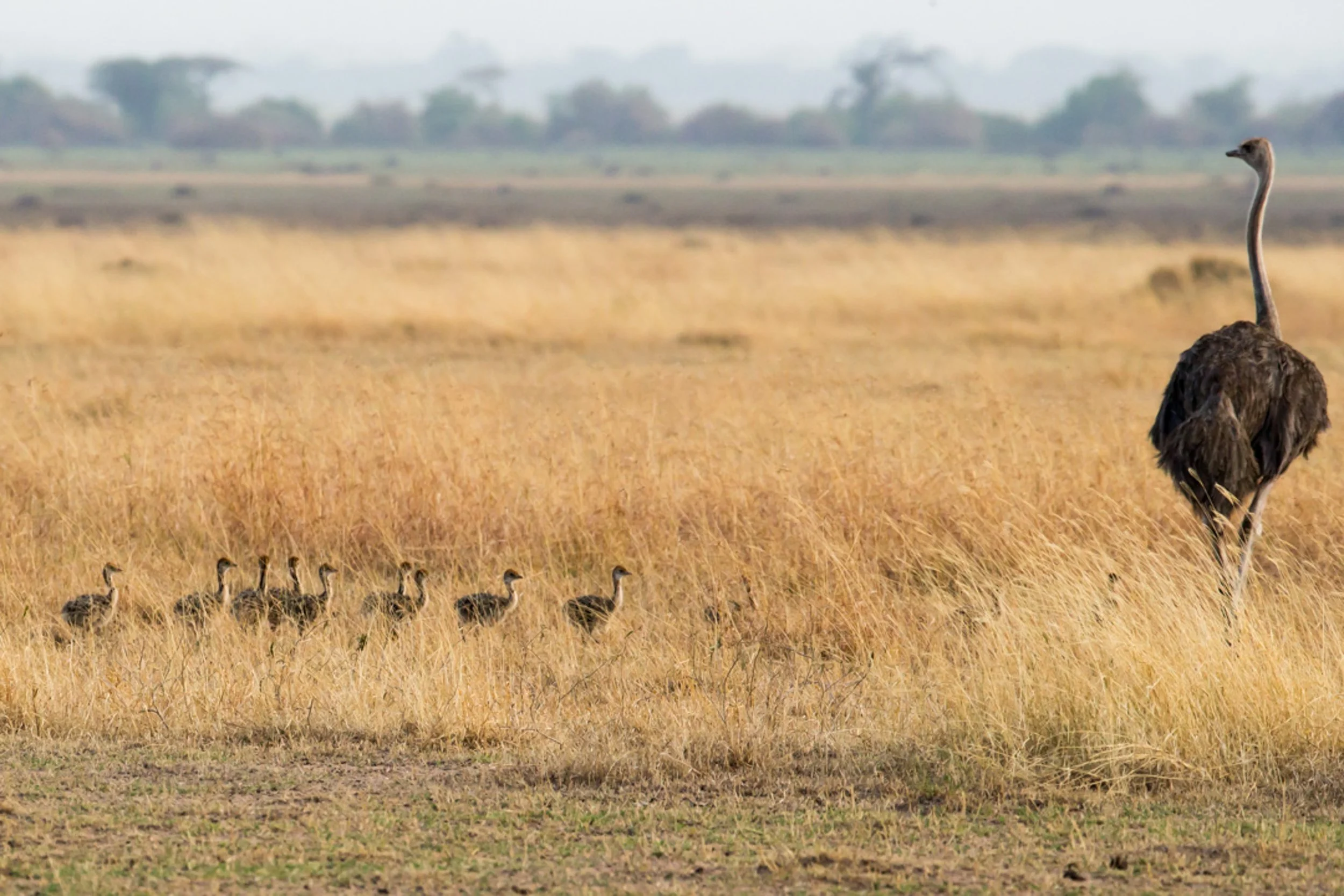

Many travellers arrive hoping for the perfect lion photograph.
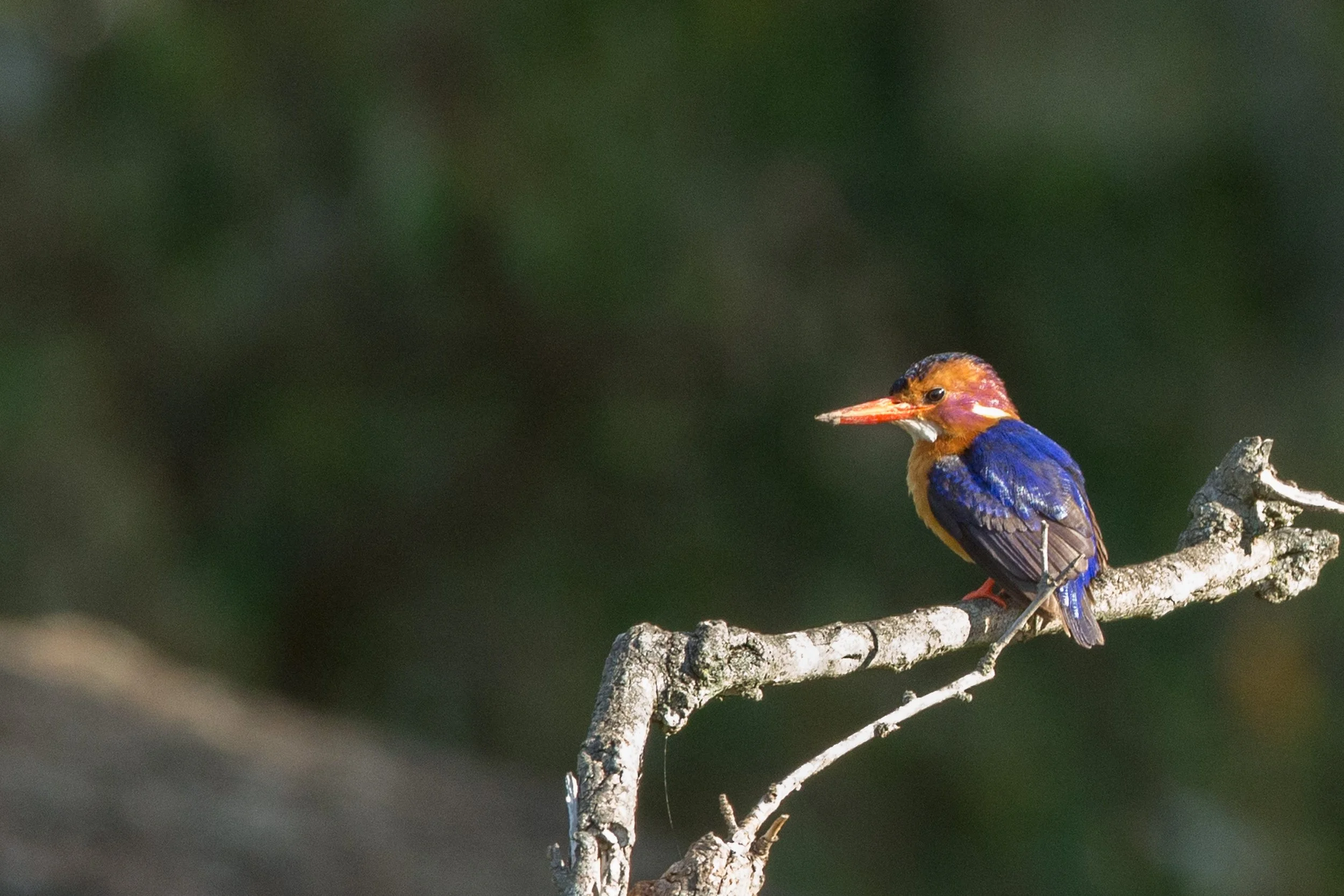
They return home unexpectedly proud of an image of a tiny malachite kingfisher or a brilliantly coloured roller captured in perfect light. And then there are the elephants.
No matter how many decades John Banovich has spent observing them, they continue to surprise him.
Every family tells a different story.
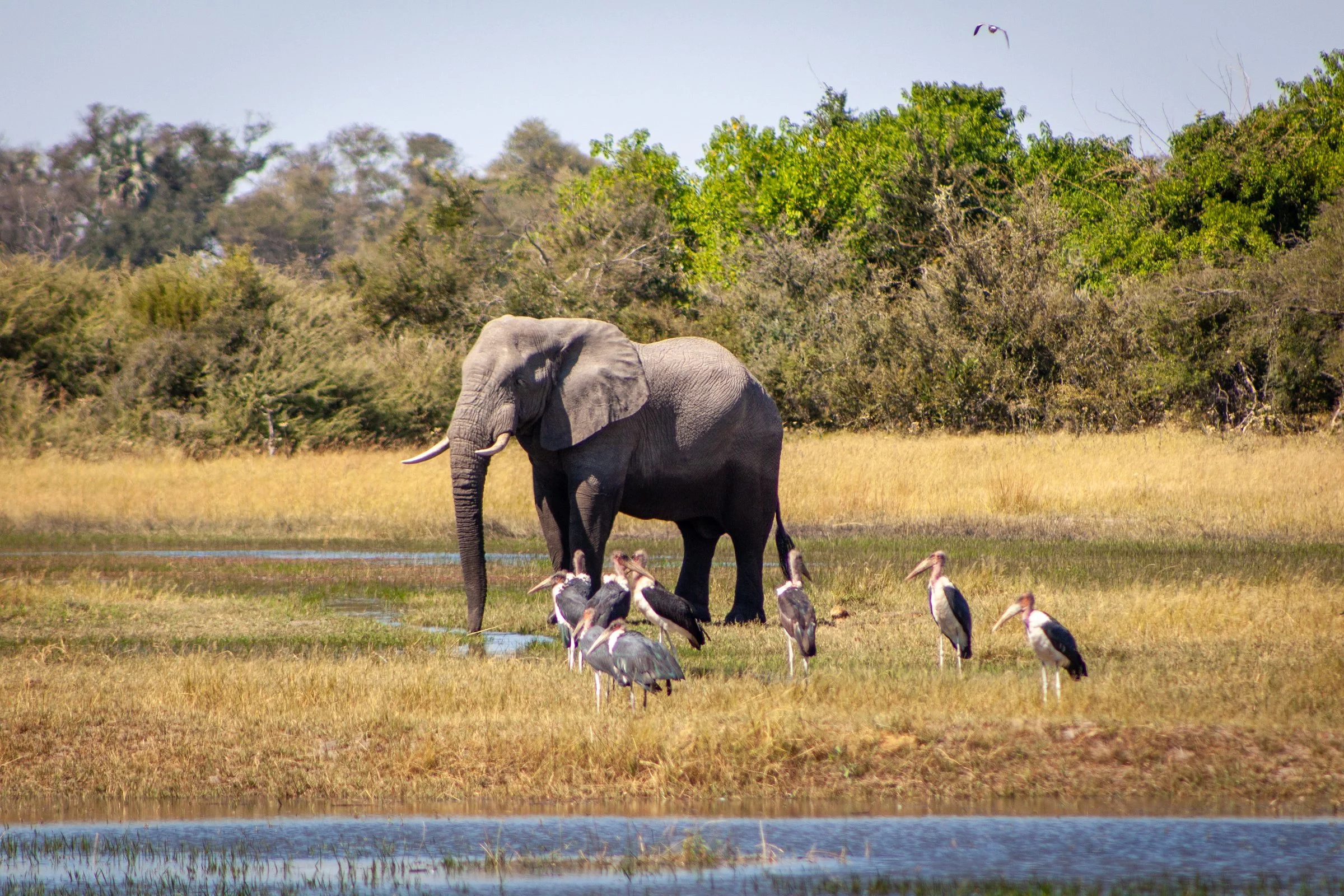
A wise old matriarch leading her herd with calm confidence. Young calves discovering the world with endless curiosity. Adolescents testing boundaries while never straying too far from the safety of the group. Solitary bulls carrying themselves with a quiet dignity earned through years of experience. Spend enough time with elephants and it becomes impossible not to recognise something of ourselves within them.
Their relationships, their patience, their loyalty, their grief, their joy, and their extraordinary emotional intelligence.
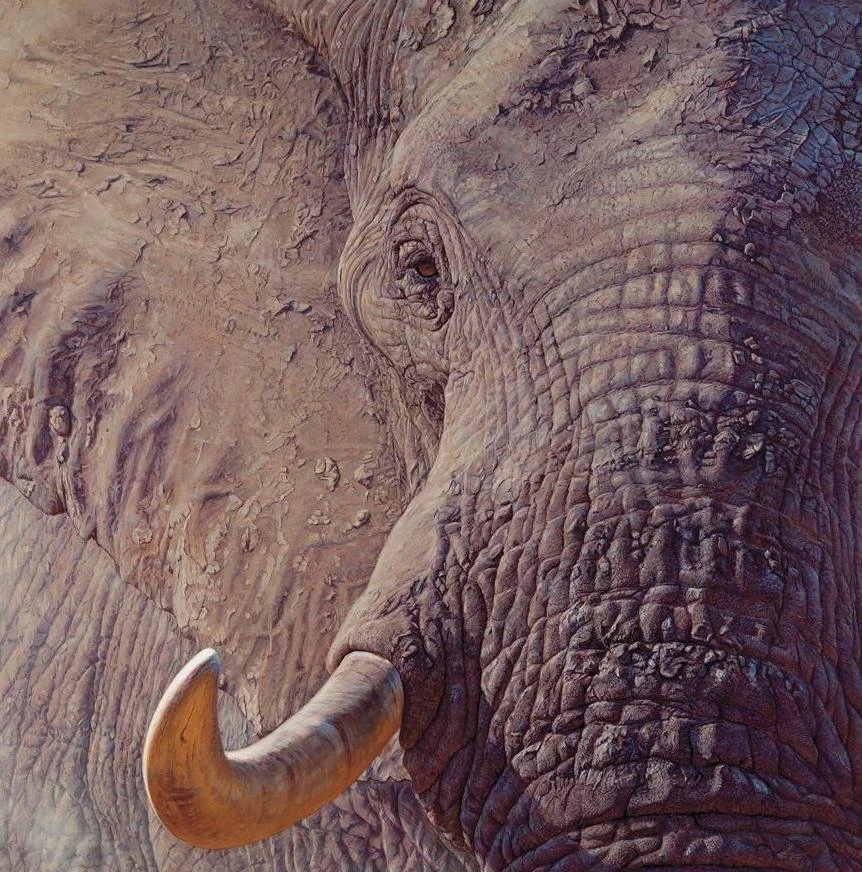
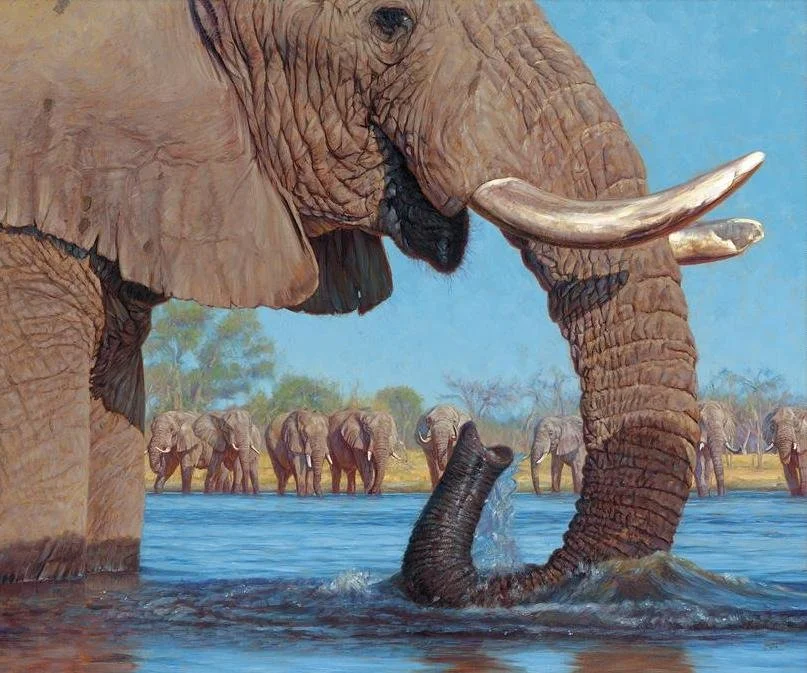
Perhaps that is why elephants appear so frequently in John's paintings. He has never painted them simply because they are magnificent animals. He paints them because they remind us what it means to belong, to protect, to remember and to endure. Yet some of Africa's greatest treasures are measured not in tonnes but in grams.
A tiny chameleon slowly changing colour beneath the morning sun.
A dung beetle rolling a ball many times its own size across a dusty road with astonishing determination.
A perfectly camouflaged praying mantis almost invisible against a branch.
A leopard tortoise making its patient journey across the landscape.
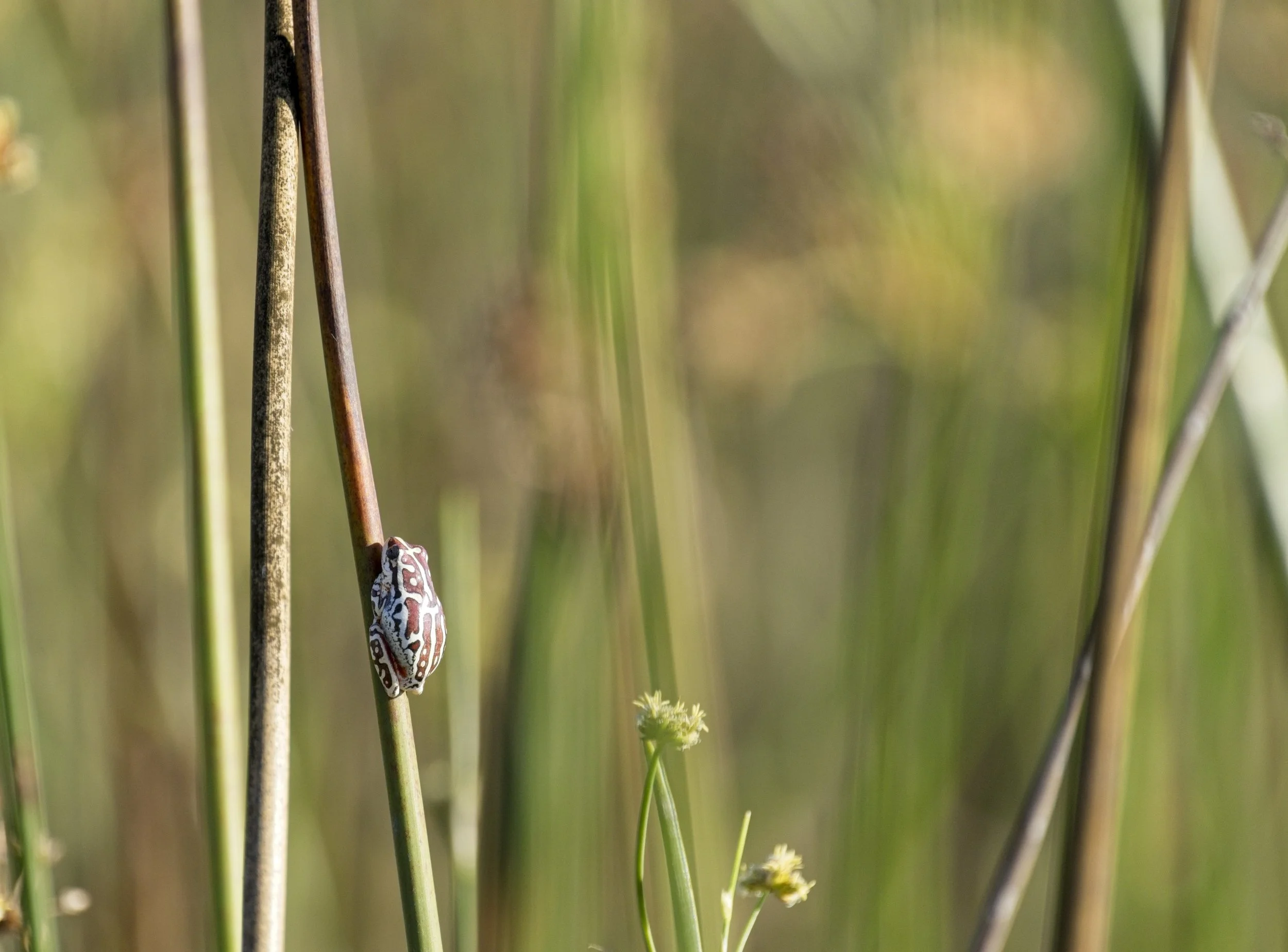
A delicate reed frog hidden among emerald leaves after the first summer rain.
These creatures rarely appear on postcards. They seldom feature on magazine covers. And yet they often become the stories guests tell first when they return home. Because they awaken something wonderfully childlike. Curiosity. Wonder. The simple joy of paying attention.

Artists have always understood this instinctively. Where many people see an elephant, an artist first notices the quality of light falling across its shoulder. Where others see a lion resting beneath a tree, an artist notices the rhythm of shadow, the texture of weathered bark and the silence surrounding the moment. John often says that the greatest gift Africa has given him is not simply inspiration for paintings. It has taught him how to see. To slow down. To wait. To observe before reacting. Those lessons extend far beyond the studio. They shape the way we design every Wildscapes journey.
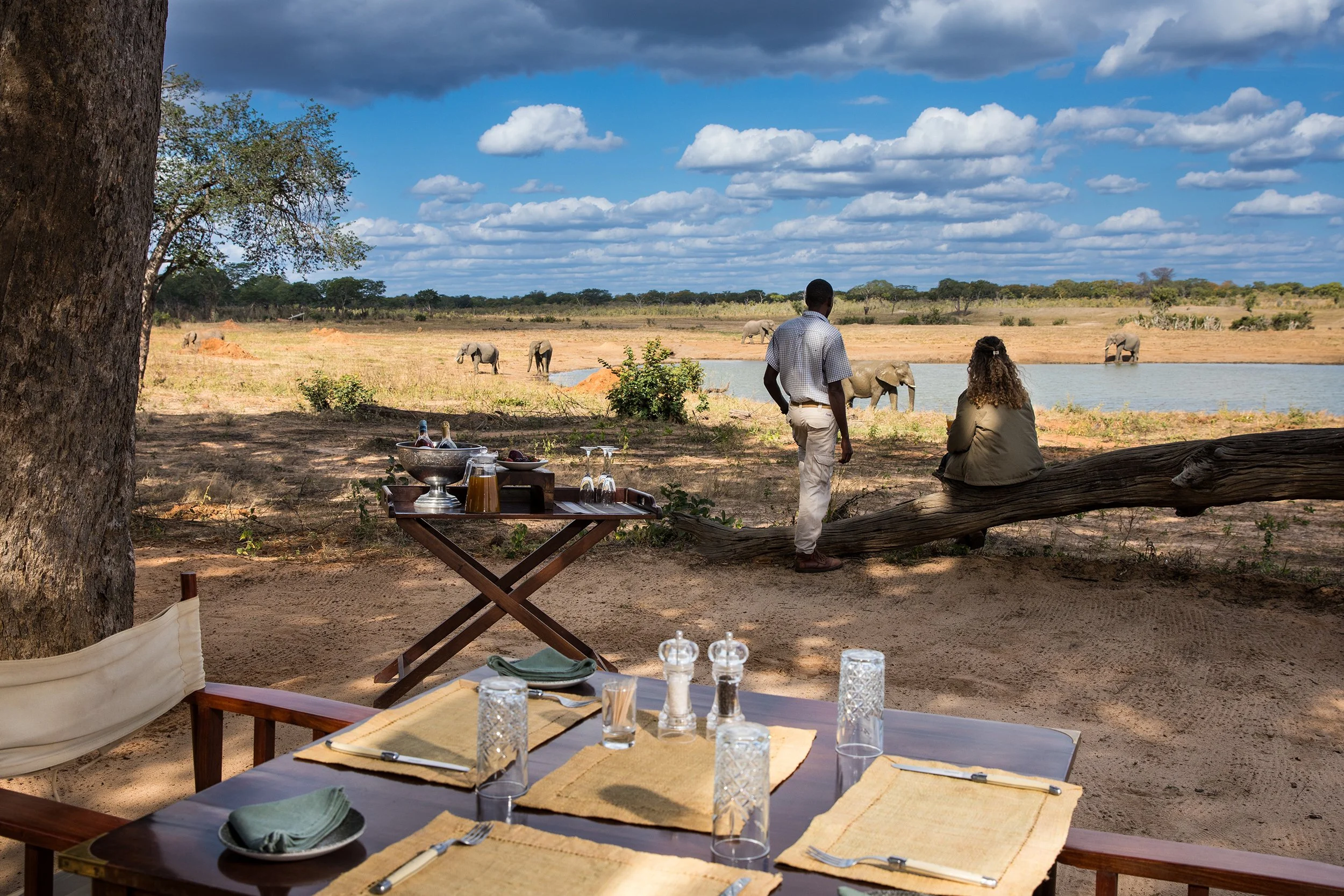
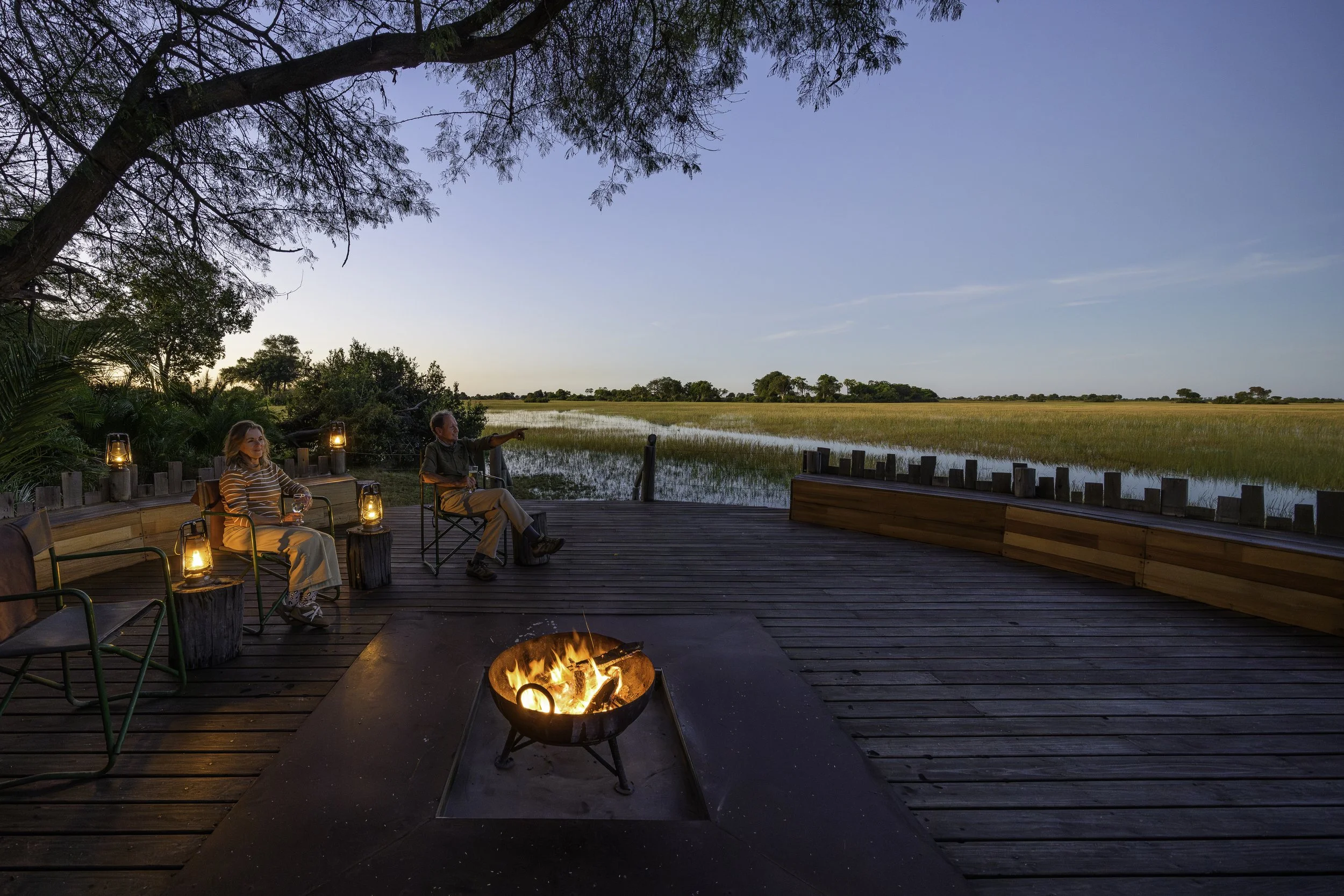
At Wildscapes, we encourage our guests not to chase sightings, but to immerse themselves in the rhythm of the bush. To spend time watching behaviour rather than simply identifying species. To appreciate the spaces between the great wildlife encounters, because those quiet moments are often where Africa reveals her deepest secrets.
In time, something unexpected happens. You stop measuring the success of your safari by how many animals you've seen. Instead, you remember the moments.
“The guide whose decades of knowledge transformed a simple game drive into a lesson in ecology. The elephant that paused only metres away before melting silently back into the woodland. The chorus of frogs after the season's first rain. The scent of wild sage carried on the evening breeze. The laughter shared around a campfire beneath a sky so full of stars it scarcely seems possible.
Those are the memories that remain.”
Long after the photographs have been framed, long after the dust has been washed from your boots and long after you've returned home.
When we begin designing a safari, one of the very first questions we ask isn't, "Which animals would you like to see?"
Instead, we ask,
"What kind of experience are you hoping to have?" Because the answer shapes everything.
Whether you are a photographer searching for extraordinary light, a family introducing children to the natural world, a collector wanting to stand in the landscapes that inspired John's paintings, a conservationist eager to understand the work happening behind the scenes, or simply someone longing to reconnect with nature, your safari should reflect who you are. Africa has a wonderful habit of surprising every traveller. Very often, the greatest gift she offers is one you never knew you were looking for.
Begin Your Journey
Every safari begins with a conversation. Tell us about the Africa you've always imagined - the wildlife that fascinates you, the landscapes that call to you and the kind of memories you hope to create. We'll design a journey that goes beyond the expected and into the unforgettable.
The Banovich Collection
John's Recommendation: Spend one morning focusing on everything except the Big Five. Ask your guide to help you discover birds, insects, tracks, reptiles and the smaller stories unfolding around you. You may be surprised by what stays with you.
Conservation Corner
Protecting Africa means protecting far more than its most famous animals. The future of the continent depends equally on healthy ecosystems, insects that pollinate plants, birds that disperse seeds, predators that maintain balance and the countless smaller species that quietly sustain life.
When we learn to value the whole ecosystem rather than only its icons, we become better travellers, and better custodians of the wild places we love.
Because Africa's greatest stories often begin where the checklist ends.
Thank you to our guests for sharing their safari images with us. Additional photo credits to our travel partners: Jao Reserve, Machaba & Wild Expeditions.
