
The Best Safaris Are Never Accidents
There comes a point when Africa stops being something you talk about and quietly becomes something you are ready to do.
We have seen that shift happen many times. Sometimes it begins with a painting, a photograph, or a story from a friend. Sometimes it is a milestone birthday, an anniversary, retirement, children leaving home, or simply the realization that life has become very full and perhaps a little too predictable. Whatever causes it, the feeling is usually the same. Africa moves from the "someday" list into the realm of possibility.
And then the research begins.
One evening becomes twenty browser tabs. Botswana or Tanzania? Private concession or national park? Two nights or four? Fly-in safari or road transfer? One lodge looks extraordinary, then another looks even better. Every property is described as luxurious. Every itinerary promises something unforgettable. Before long, what began as excitement starts to feel like another project.
I think this is where people often misunderstand safari planning.
The best safari is not the one with the most famous lodges, the longest itinerary, or the greatest number of destinations. It is the one that has been thought through properly. That sounds obvious, but it is surprisingly easy to get wrong.
A safari is unlike most vacations because the smallest decisions can change the entire experience. Three nights instead of four. Shared guiding instead of private guiding. Visiting a beautiful area at the wrong time of year. Moving camps every second day because it looked efficient on paper. Choosing the most spectacular lodge when what you really wanted was wilderness.
None of those decisions is necessarily wrong. They are only wrong if they are wrong for you.
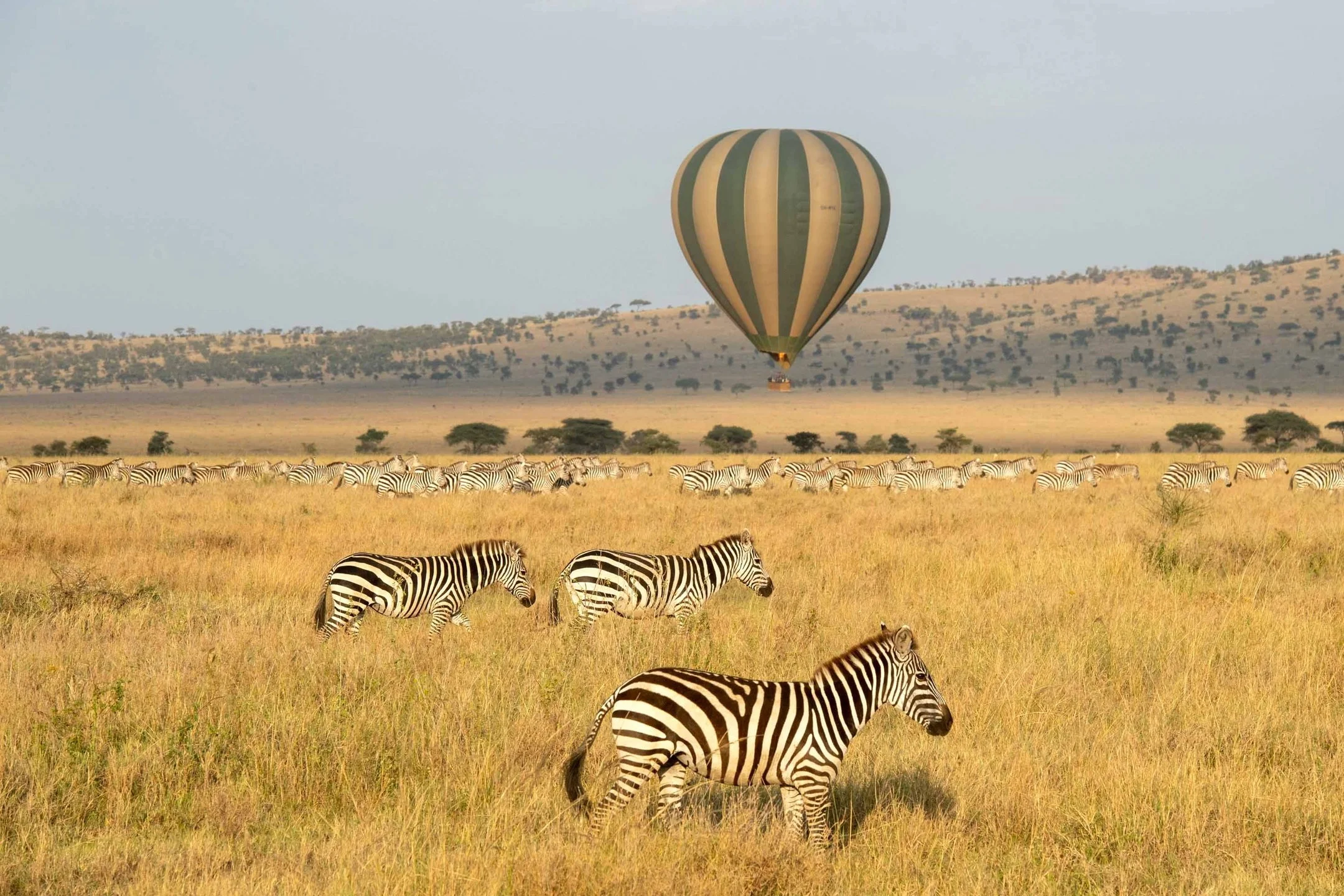
I think one of the most useful questions anyone can ask before planning a journey to Africa is not, "Where should I go?" It is, "What do I want this journey to feel like?" That answer is far more revealing.
Perhaps you want adventure. Perhaps you are exhausted and need space. Perhaps you want your children to fall in love with the natural world. You may want to photograph predators, walk, spend time with elephants, learn about conservation, or celebrate something important with people you love.
Maybe you want beautiful lodges and extraordinary food. Maybe you would trade half of that for a small tented camp, a brilliant guide, and very few other vehicles. Neither traveler is doing safari better. They simply want different things.
This is why the details that initially seem insignificant often become the most important.
Does everyone in the family enjoy long game drives?
Does someone need a slower morning?
Is one person passionate about birds while everyone else is hoping for big cats?
Are you traveling with children, grandparents, or someone who has waited forty years to make this journey?
Do you want company around the dinner table, or would you prefer privacy?
Would you rather cover more ground or settle into one landscape long enough to recognize it?
These questions rarely appear in a brochure, but they have an enormous influence on how a safari feels.
The same is true of cost. There is a tendency to believe that spending more automatically produces a better safari. It does not. Spending well can.
There are areas where additional investment can materially change the experience: private guiding, a private vehicle, a better location, more time, access to a remote concession, a camp with only a handful of guests, specialist photographic guiding, or a private charter that removes an awkward day of logistics.
And then there are things that may be beautiful but do very little to improve the part of the safari that matters most to you. The trick is knowing the difference. For us, value has increasingly little to do with how impressive a room looks online. It is more often found outside it.
It is an exceptional guide noticing a track everyone else has missed. It is staying with a leopard because there is no one else in the vehicle asking to leave. It is watching elephants from a quiet waterhole for an hour without feeling that you should be somewhere else. It is spending time in a landscape that still has enough space for wildlife to behave naturally.
And increasingly, it is understanding what keeps that landscape intact.
Who protects it? Who benefits from tourism being there? What role do neighboring communities play? What does your presence help sustain?
These questions matter because the finest wild places do not remain wild by accident, either.
The same could be said of guiding. People spend an extraordinary amount of time comparing rooms and surprisingly little time thinking about the person who will actually show them Africa. Yet the guide may influence your experience more than almost anything else.
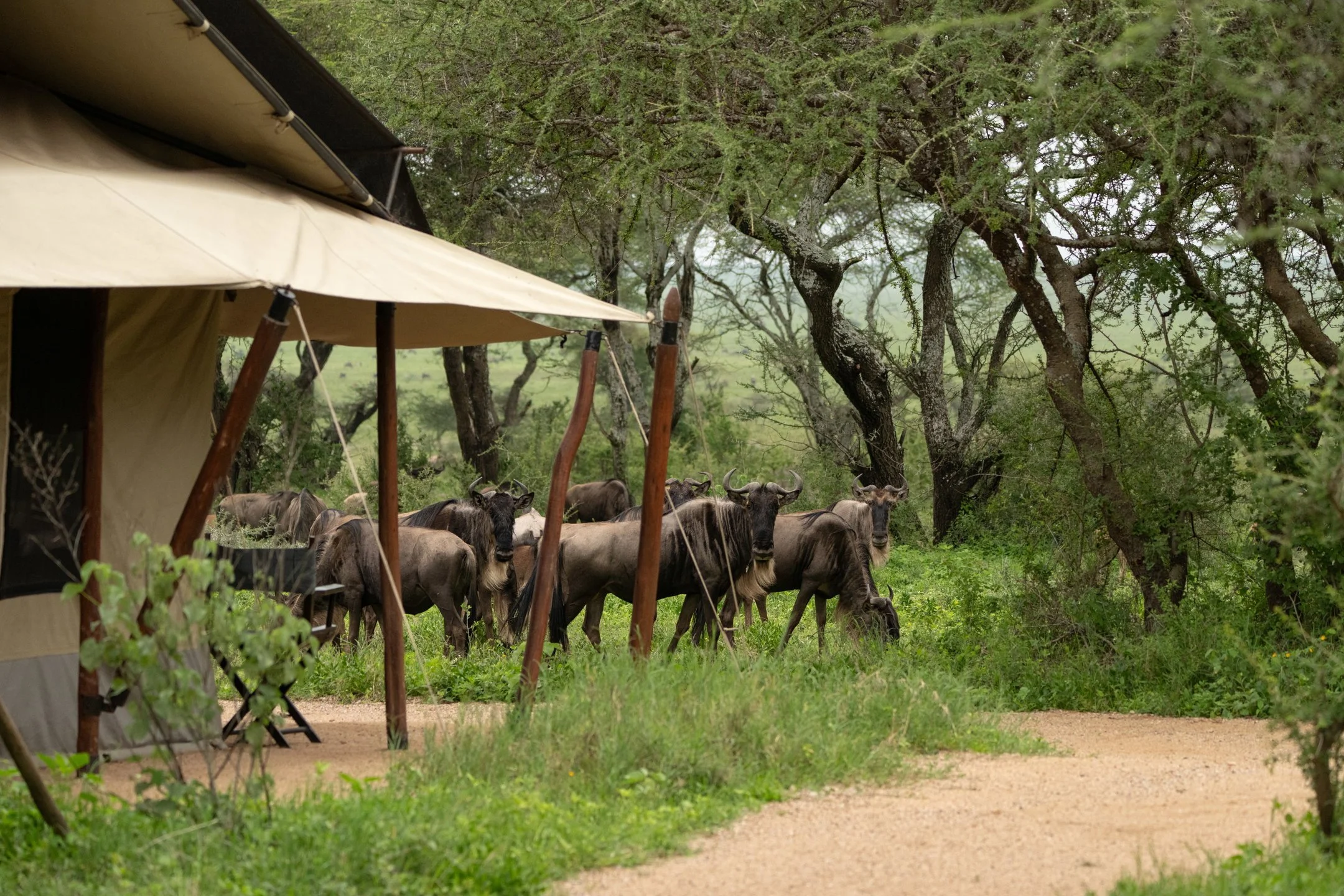
A good guide shows you wildlife. A great guide changes what you notice.
Great guides teach you to listen to alarm calls, understand behavior, read tracks, and recognize when the interesting thing is not the lion everyone is looking at, but the herd of impala watching something beyond it. They know when to speak and when not to. They know when to drive and when to wait. Most importantly, they understand that wildlife does not exist to satisfy an itinerary. That is a useful lesson for the traveler, too.
We can plan a safari extraordinarily well, but Africa will always retain the right to change the plan.
Rain arrives. Animals move. A leopard sleeps for three hours. Elephants block the road. Weather delays a flight. Wild dogs appear just as you were supposed to be heading back for breakfast. This is not failure. It is one of the reasons you came.
Some of the most memorable safari moments happen because the day stops behaving exactly as expected. We believe there is a difference between planning carefully and trying to control everything. The first creates freedom. The second usually creates disappointment.
A beautifully designed safari gives the journey enough structure to work and enough space for the unexpected to matter. It also gives each place enough time. This is something we feel increasingly strongly about. Two nights may look perfectly reasonable on an itinerary. In reality, you arrive one day and begin thinking about leaving almost immediately. Add another night, and the relationship changes.
Your guide begins to understand you. You recognize the landscape. You know where the elephants were yesterday. You stop worrying that every drive has to deliver something extraordinary. By the fourth day, there is often a sense that you have finally arrived properly. Perhaps this is also why anticipation matters.
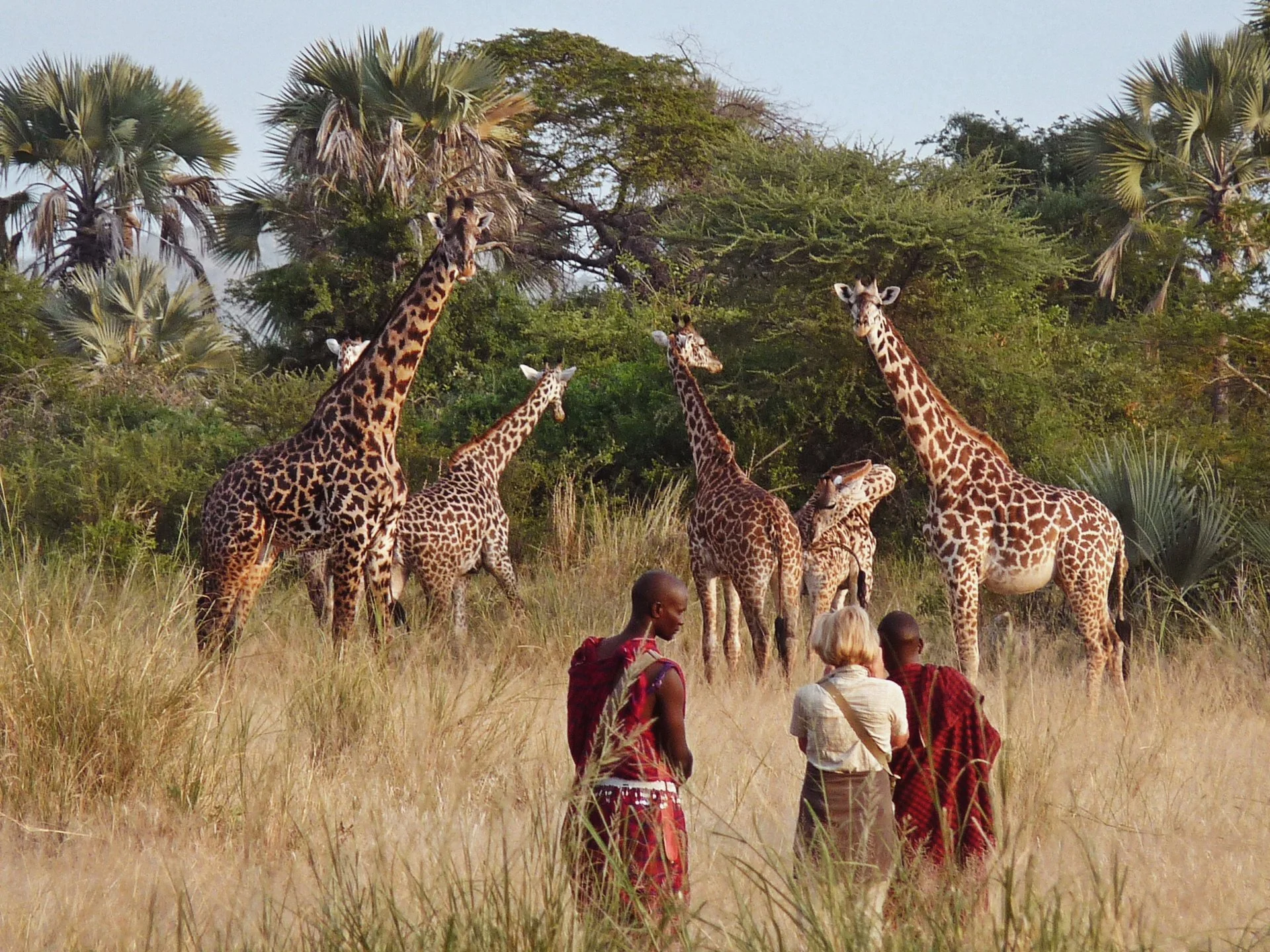
The Journey Begins Long Before the Aircraft Leaves the Ground
Once the decision has been made, people start reading. Watching documentaries. Talking about animals over dinner. Buying binoculars. Looking at maps. Children begin asking questions. The destination enters everyday life months before the suitcase comes out.
That is the first exciting part.
Travel should give us something to look forward to. It should expand life before it interrupts it.
And perhaps that is worth remembering when we are tempted to postpone meaningful journeys indefinitely because there is never a perfect time. There probably will not be. Work will still be busy. Families will still have commitments. Life will continue to fill every space we give it. At some point, going becomes a decision to make room. The older we get, the more we think this applies to far more than safari. We postpone things because we imagine a future version of life in which everything will be easier, calmer, or more convenient.
Sometimes it will be. Sometimes it will not. There is something to be said for recognizing when a dream has been waiting long enough.
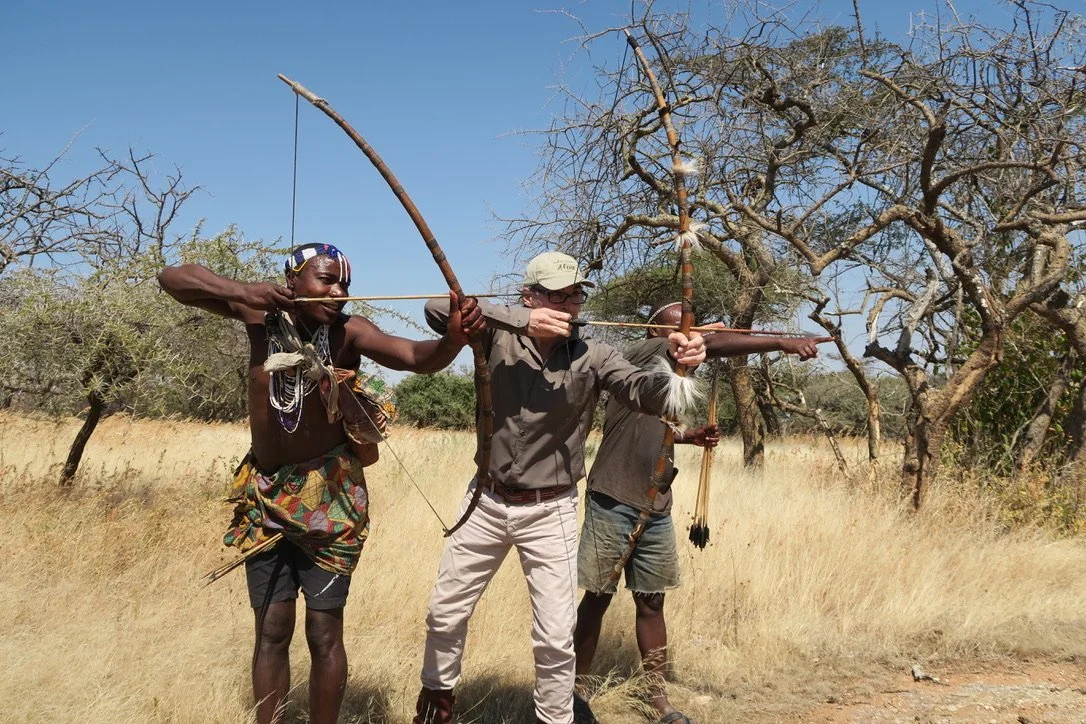
John's relationship with Africa began with a journey in 1993. He could not have known then where it would lead. It became decades of returning to the same landscapes, observing wildlife, painting, building friendships, and eventually supporting conservation work connected to the places that inspired him.
Wildscapes Travel grew out of those relationships.
That matters to us because it explains something about the way we believe travel should work. It should not feel like a transaction between a traveler and a collection of hotels. It should feel more human than that. A relationship with a guide. A conversation with someone protecting a landscape. An understanding of the community living beside it. The gradual recognition that the elephant in front of you is not simply a wonderful sighting, but part of an ecosystem held together by land, people, funding, history, and enormous amounts of work.
That is when travel begins to have depth. And that, perhaps, is the point I keep returning to.
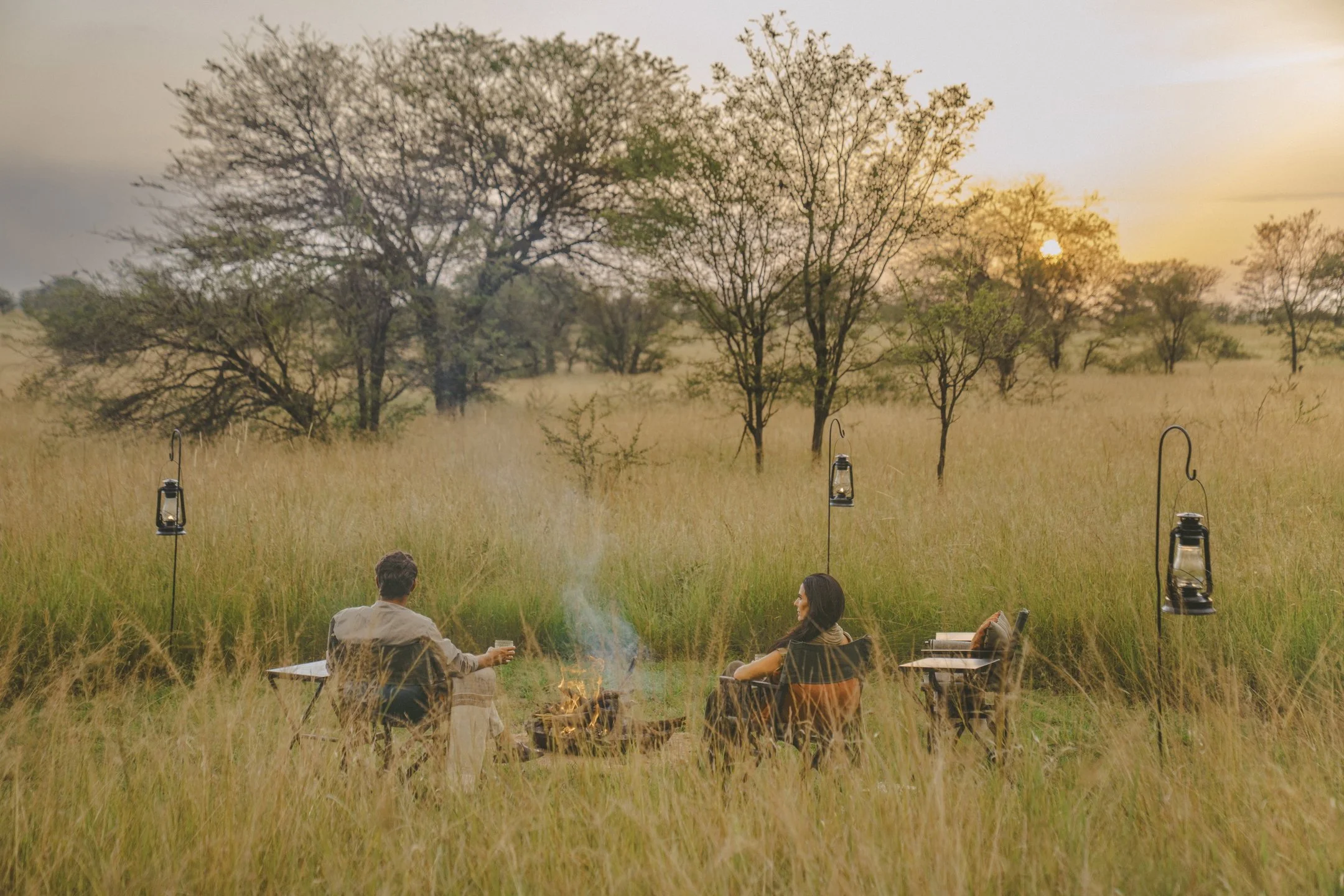
The best safaris are never accidents. The wildlife encounters may be. The weather certainly can be. The moments that take your breath away usually are. But creating enough space for those moments to happen requires thought.
It requires knowing when to spend more and when not to. When to move and when to stay. When a famous property is right for you and when a small camp no one at home has heard of would be far better.
It means understanding that the most important question is not always, "What should we add?"
Sometimes it is, "What can we leave out?"
A little less movement. A little more time. The right people. The right landscape. And room for Africa to do what it does best - surprise you.
Perhaps that is the real art of safari planning. Not scripting the perfect journey, but creating the conditions in which something unforgettable has a chance to happen. And if Africa has moved from "someday" to something you are genuinely beginning to consider, perhaps the first step is not choosing Botswana, Tanzania, or Zimbabwe. Perhaps it is simply understanding what you want Africa to feel like.
That is always where I would begin.
Photo Credit: Auberge
